
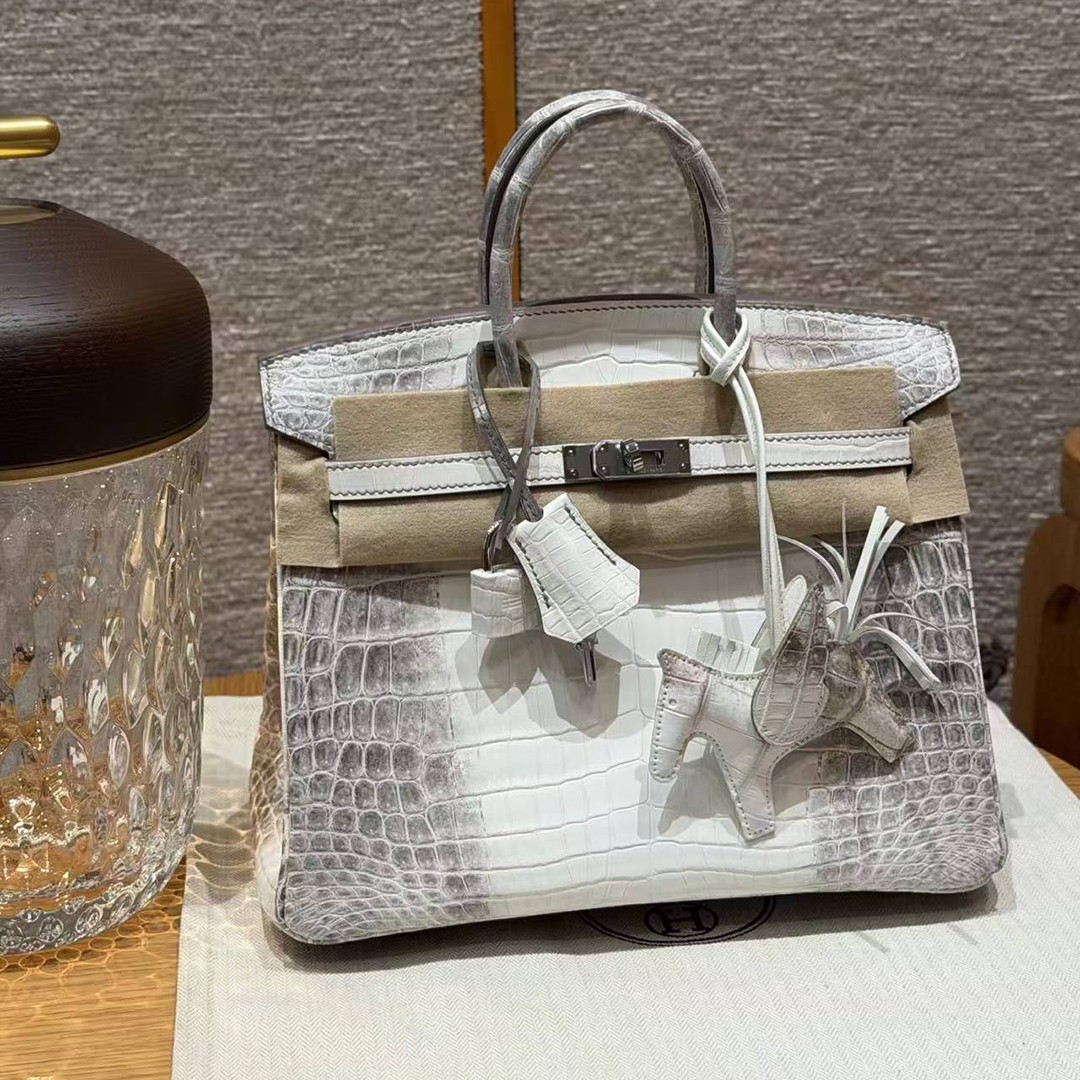
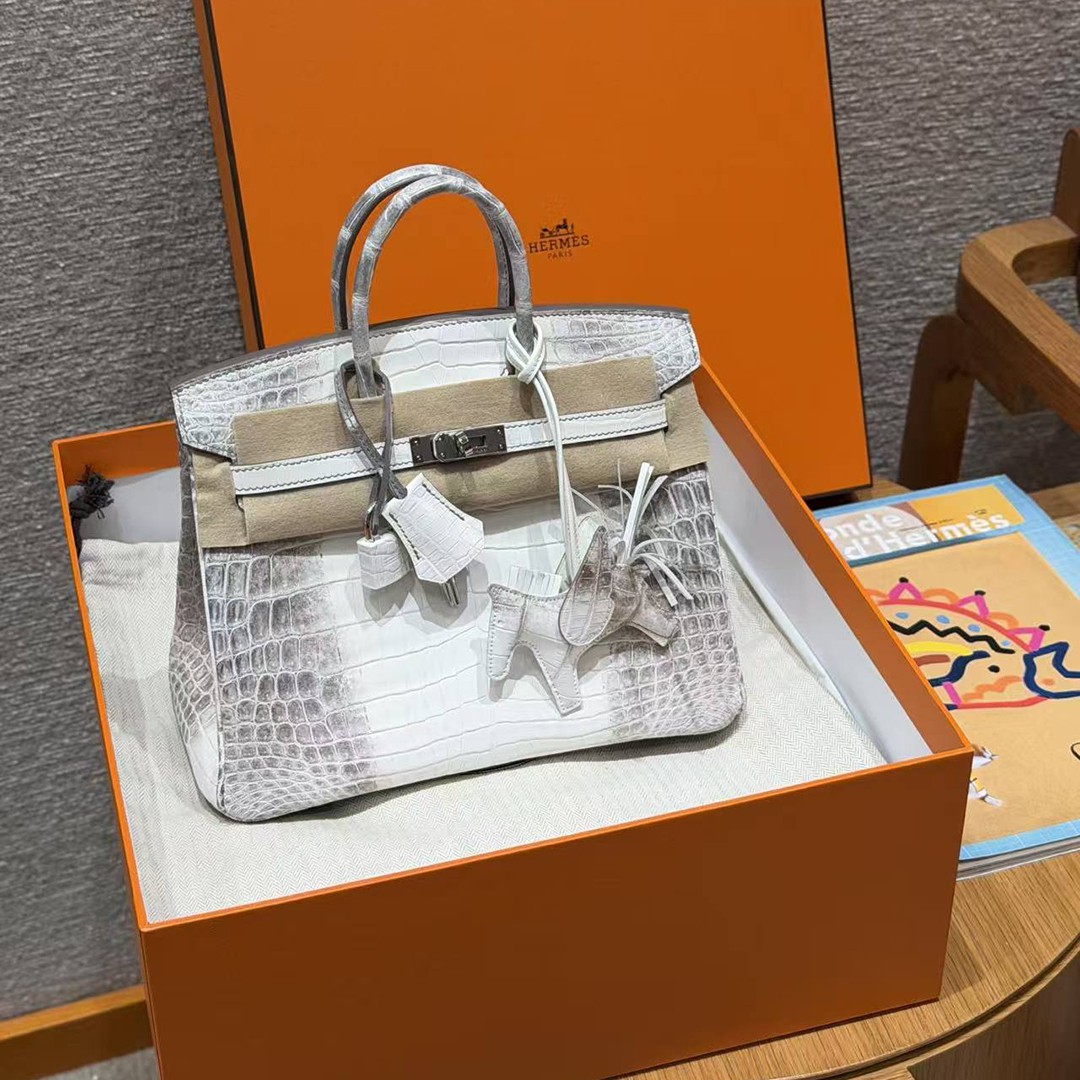
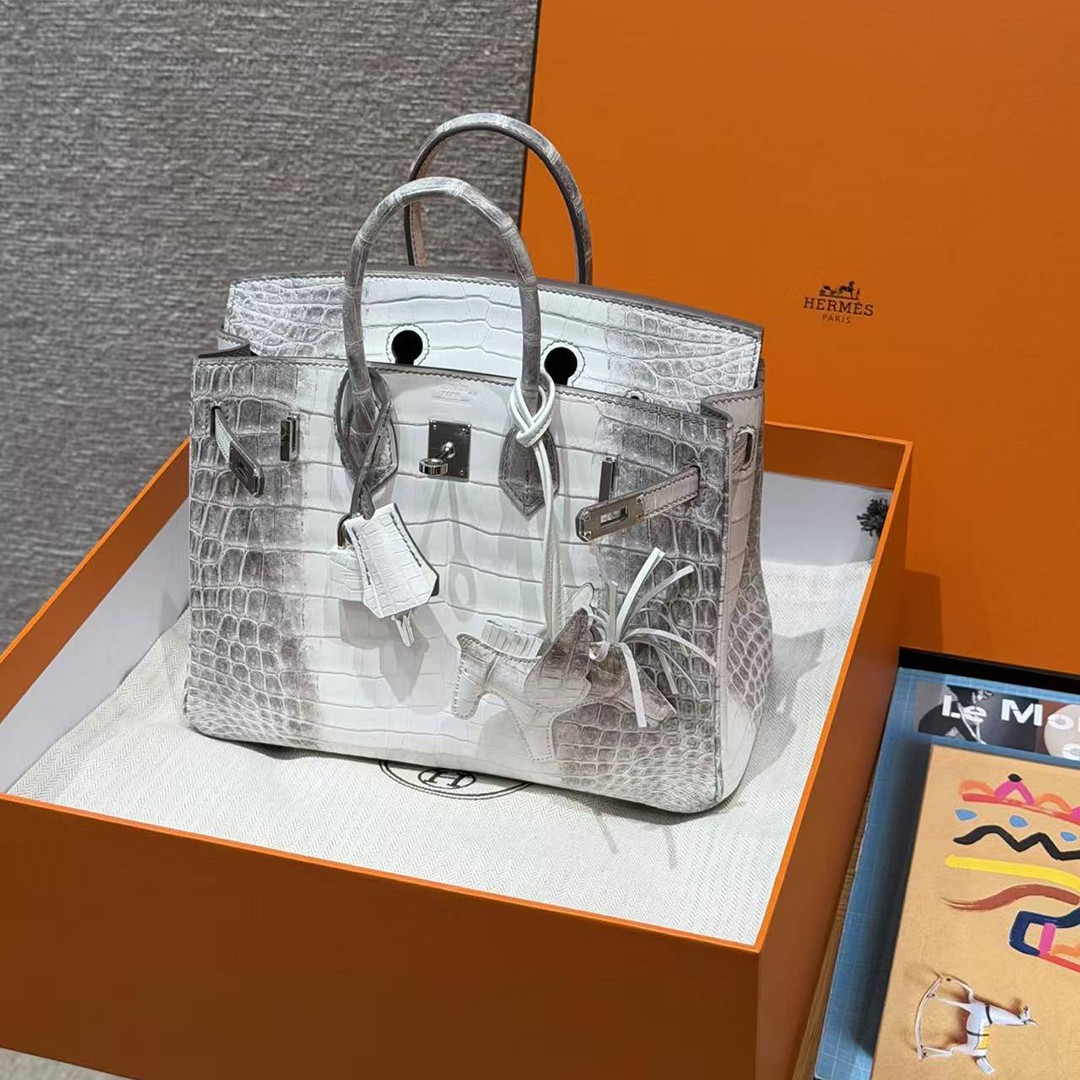
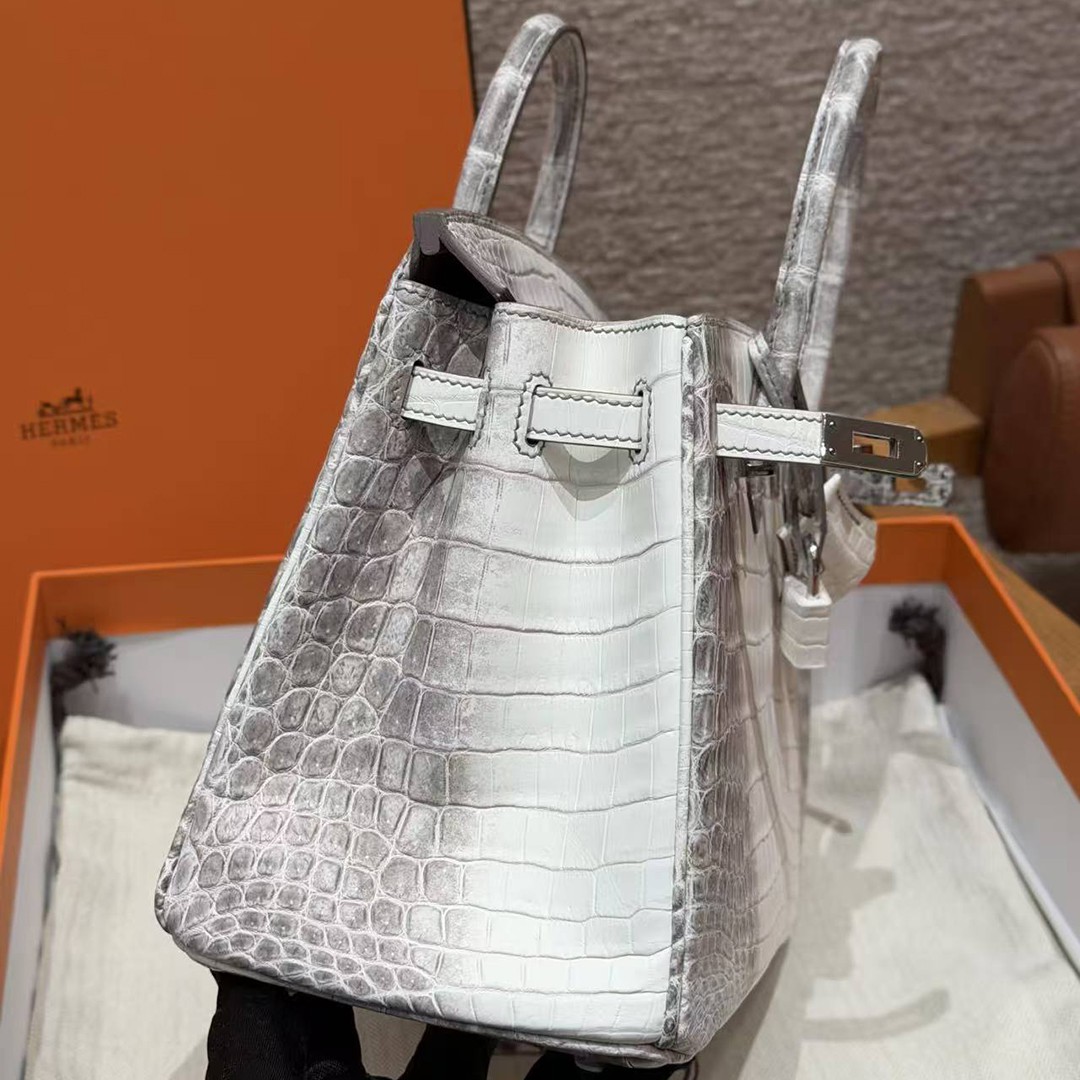
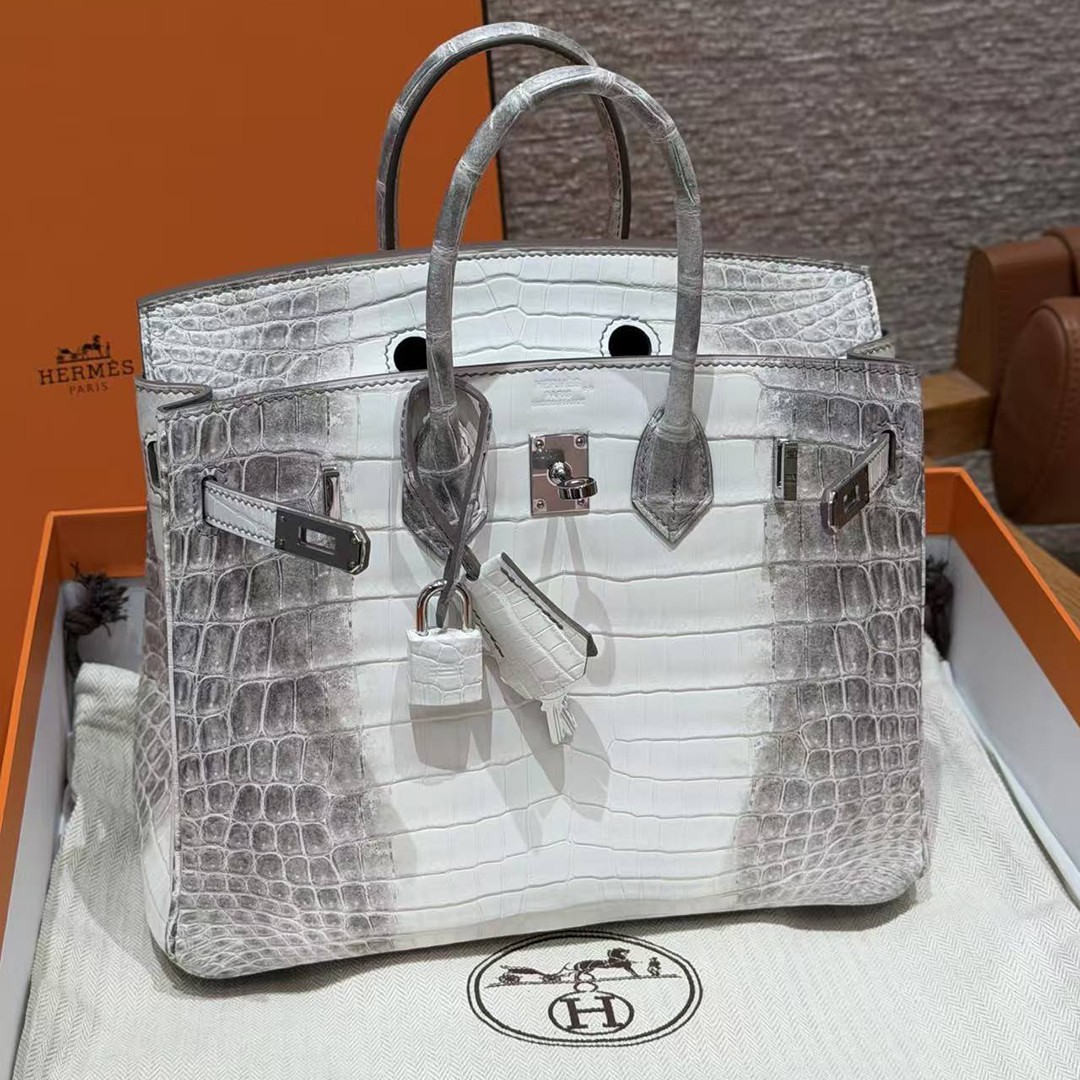
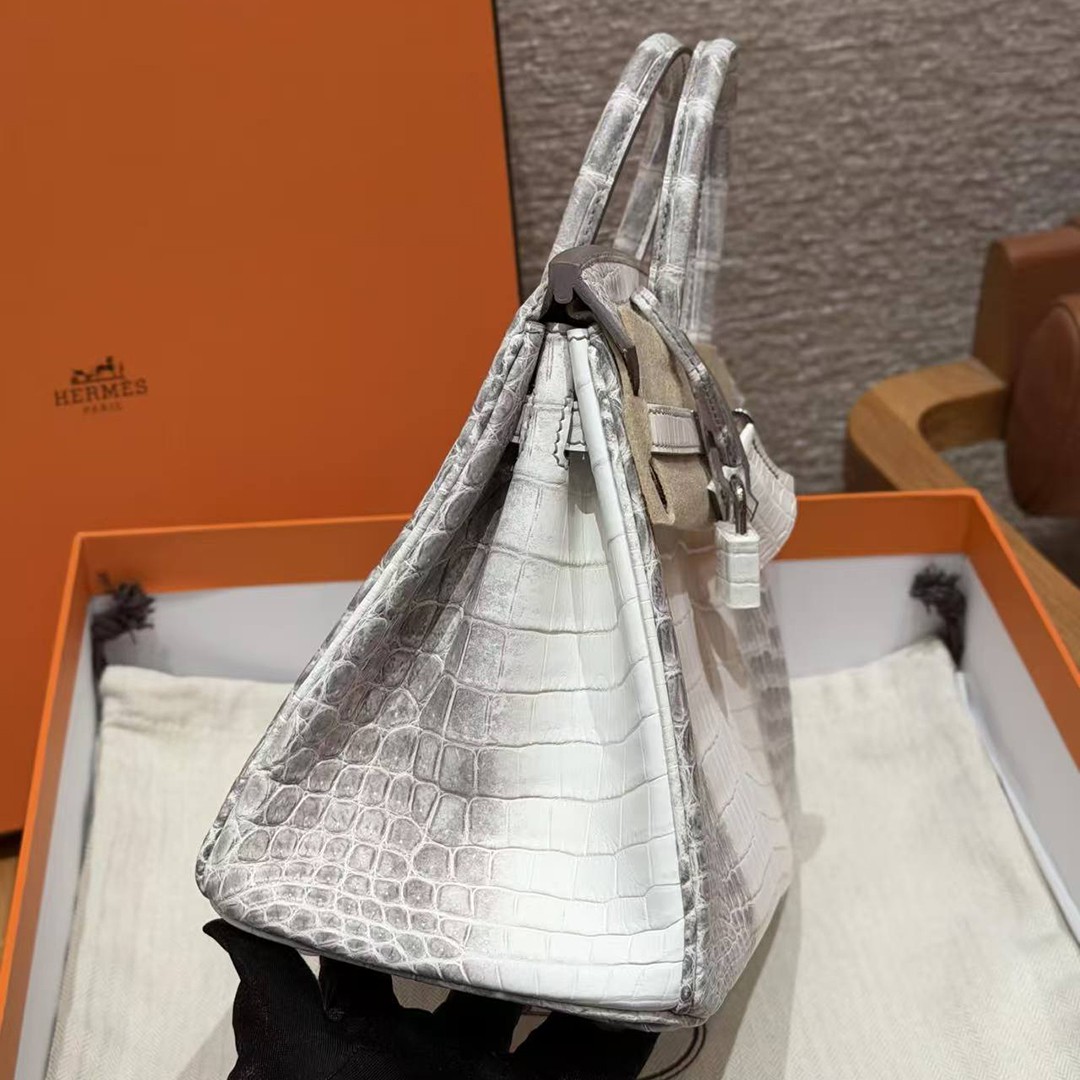


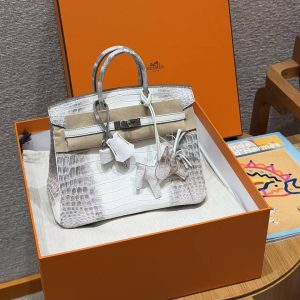






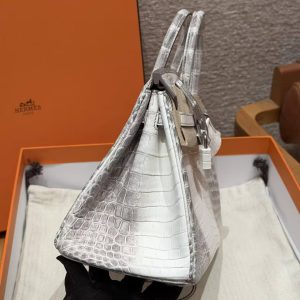
Hermès Birkin 25 Bag Handmade In Niloticus Leather Silver Hardware Himalaya
Original price was: $58,500.00.$4,999.00Current price is: $4,999.00.
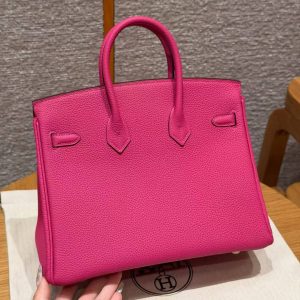
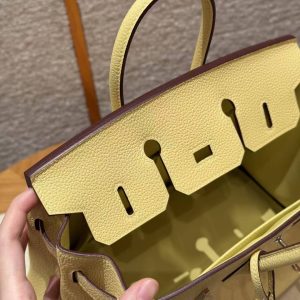
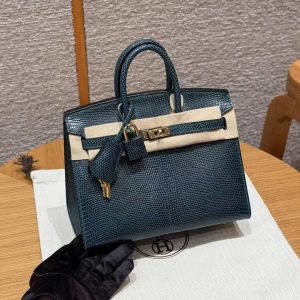
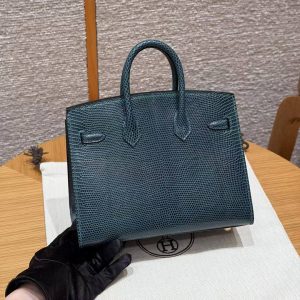
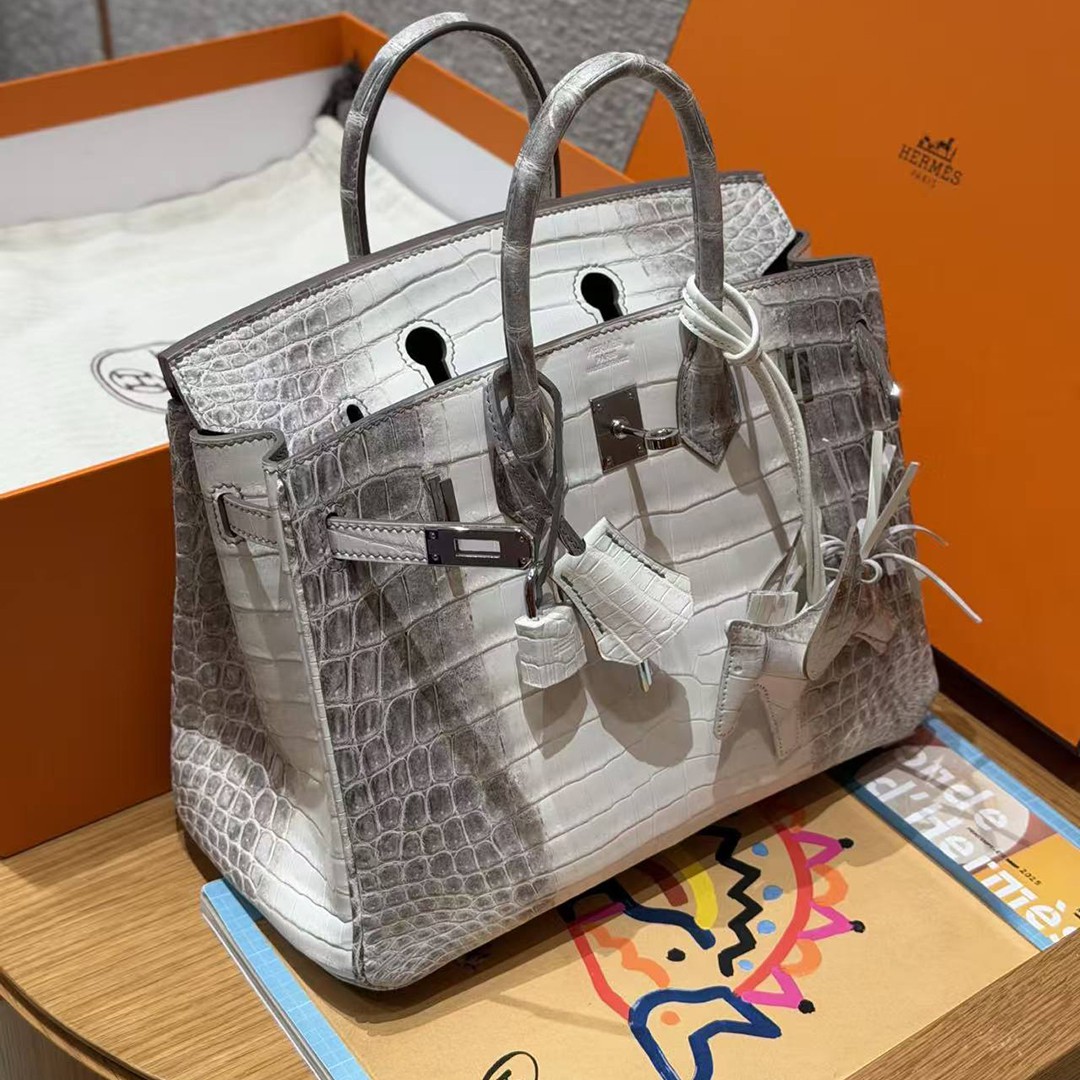
Style: Birkin 25
Color: Himalaya
Size: 25*20*13 cm
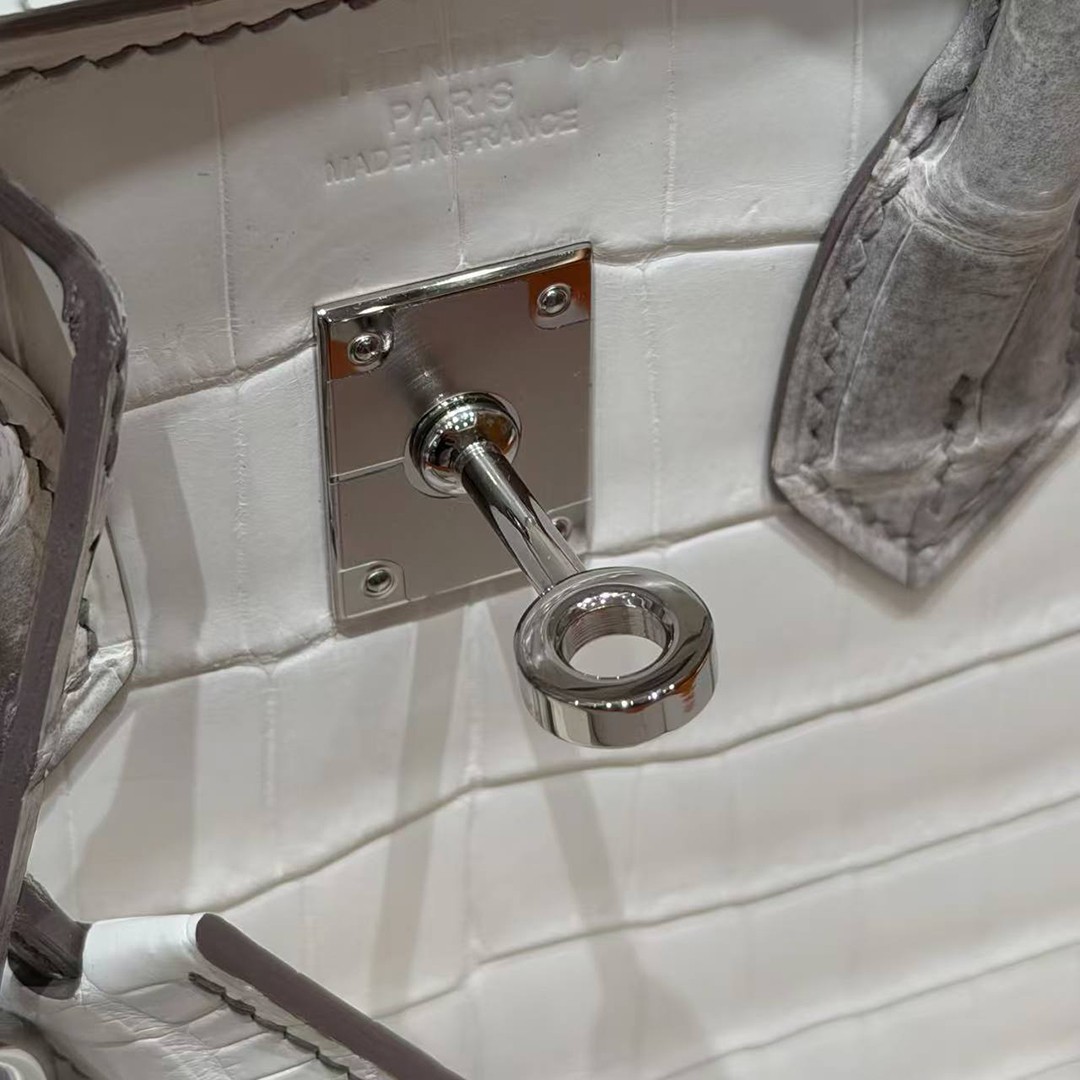
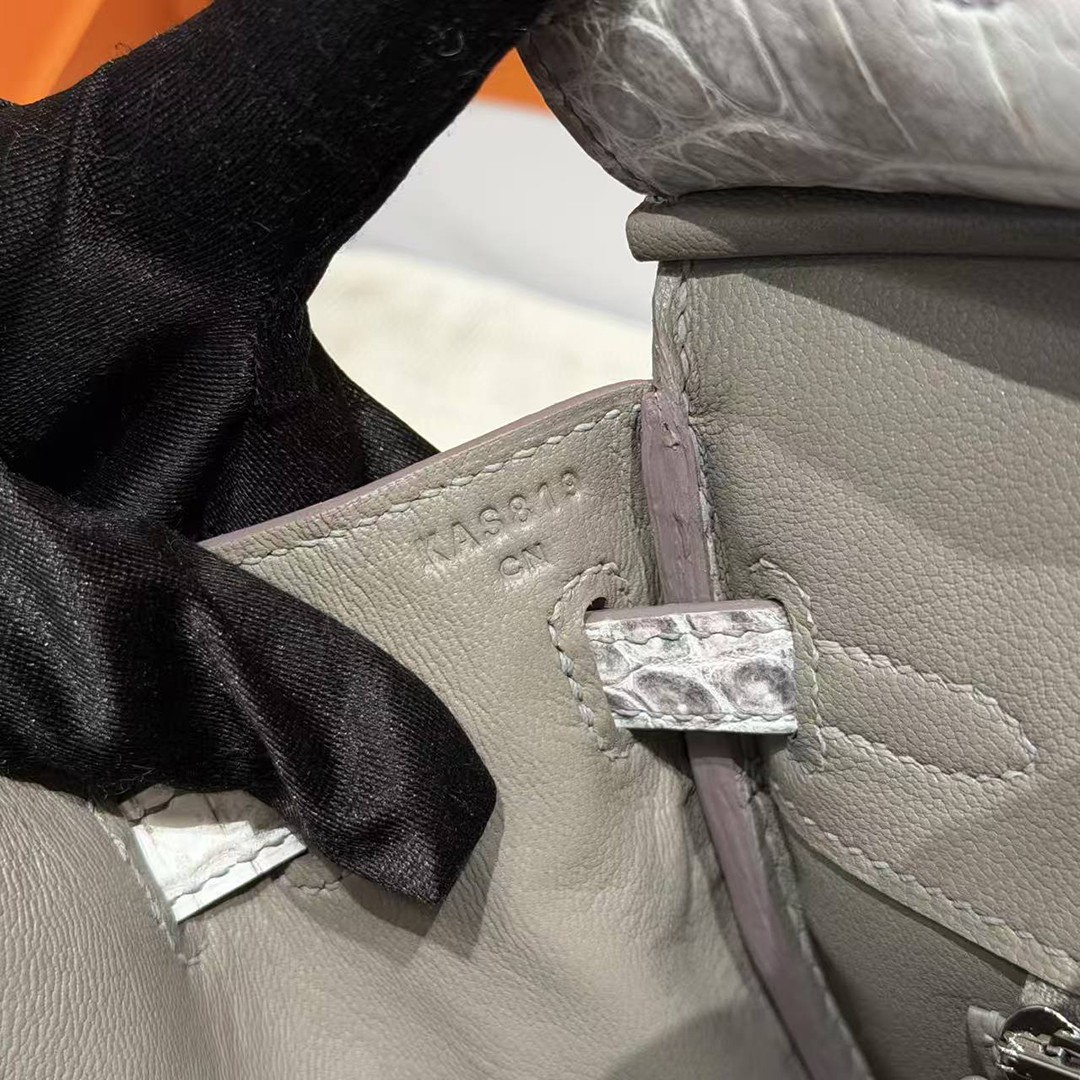
Leather: Niloticus imported From France which originally from nile
Hardware: Silver
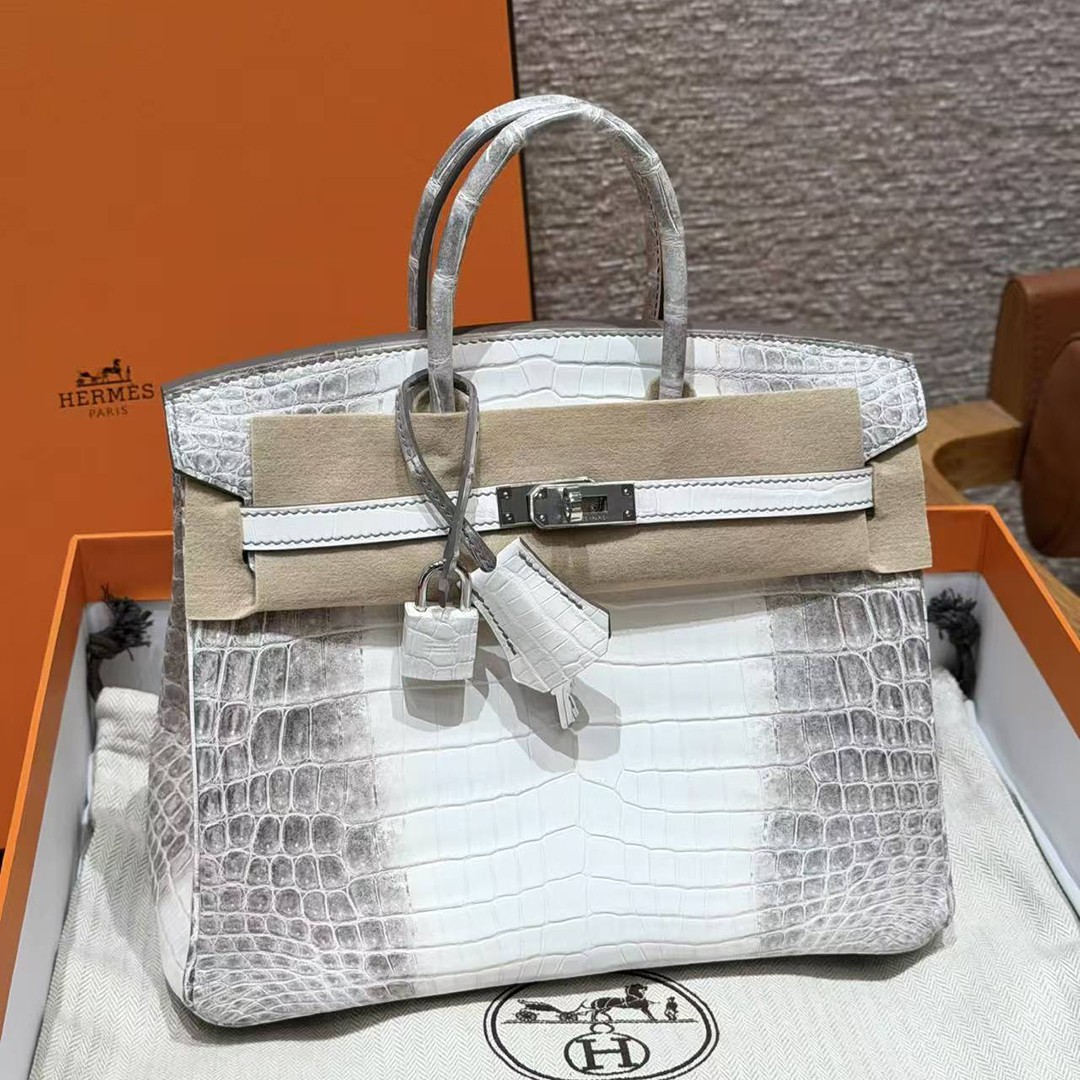
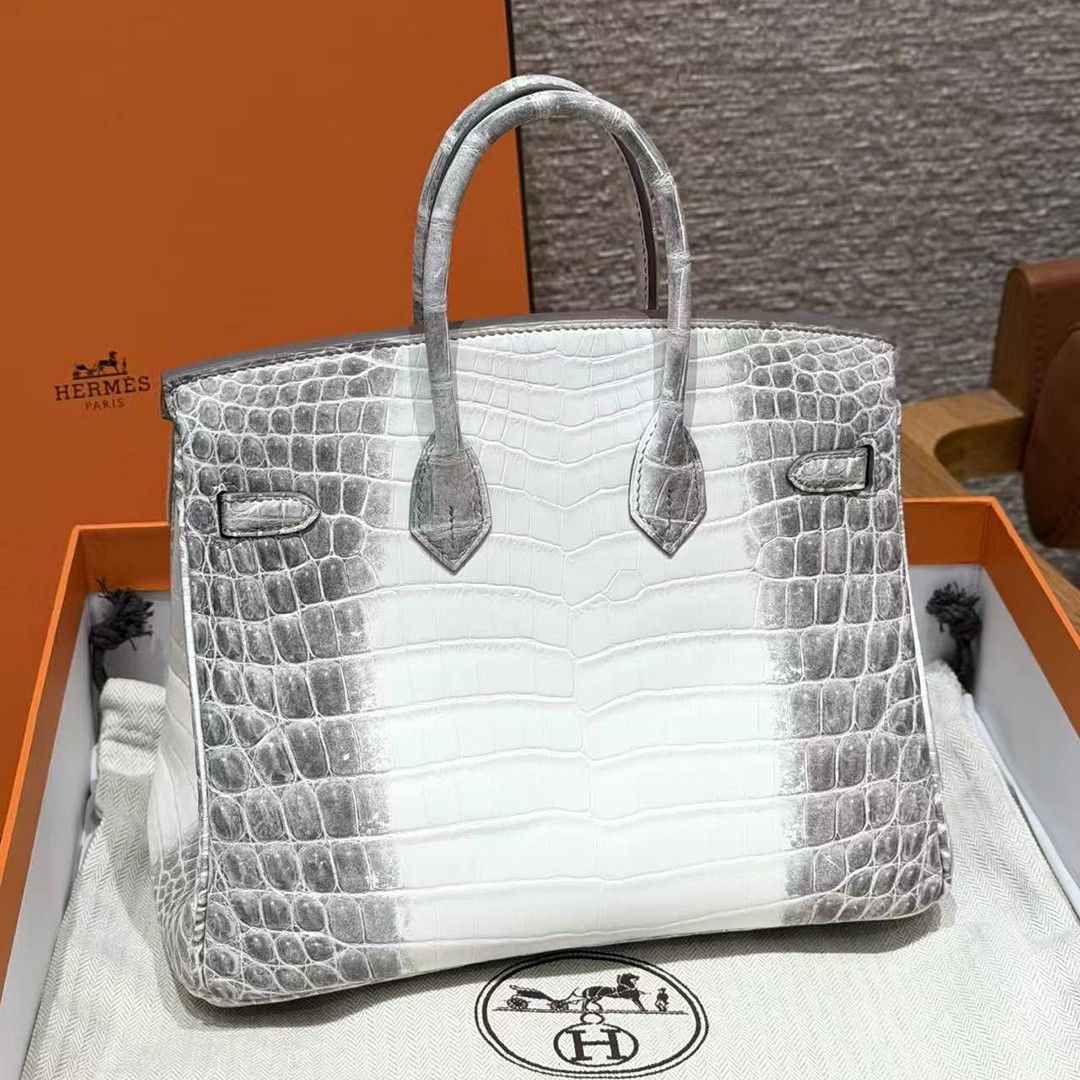
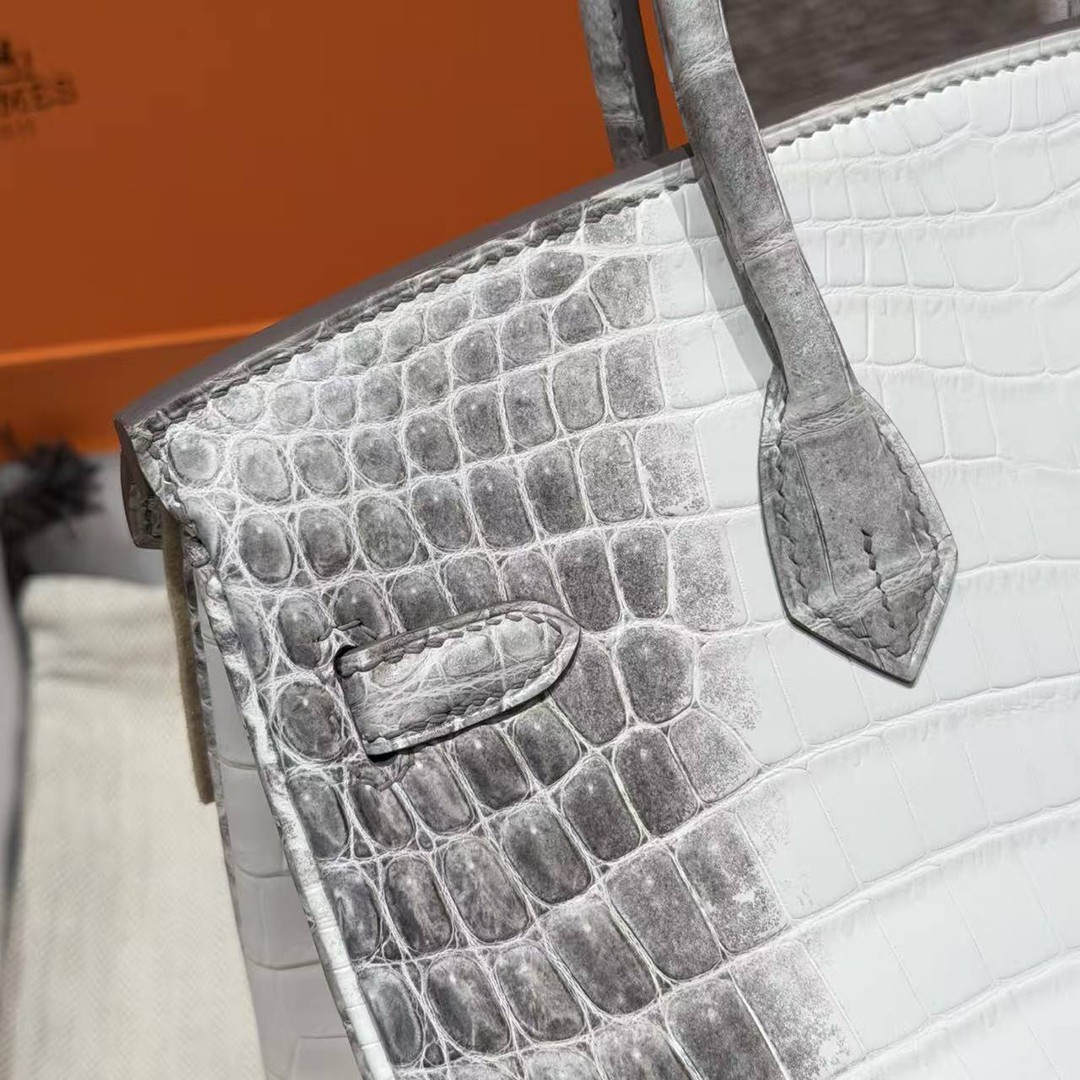
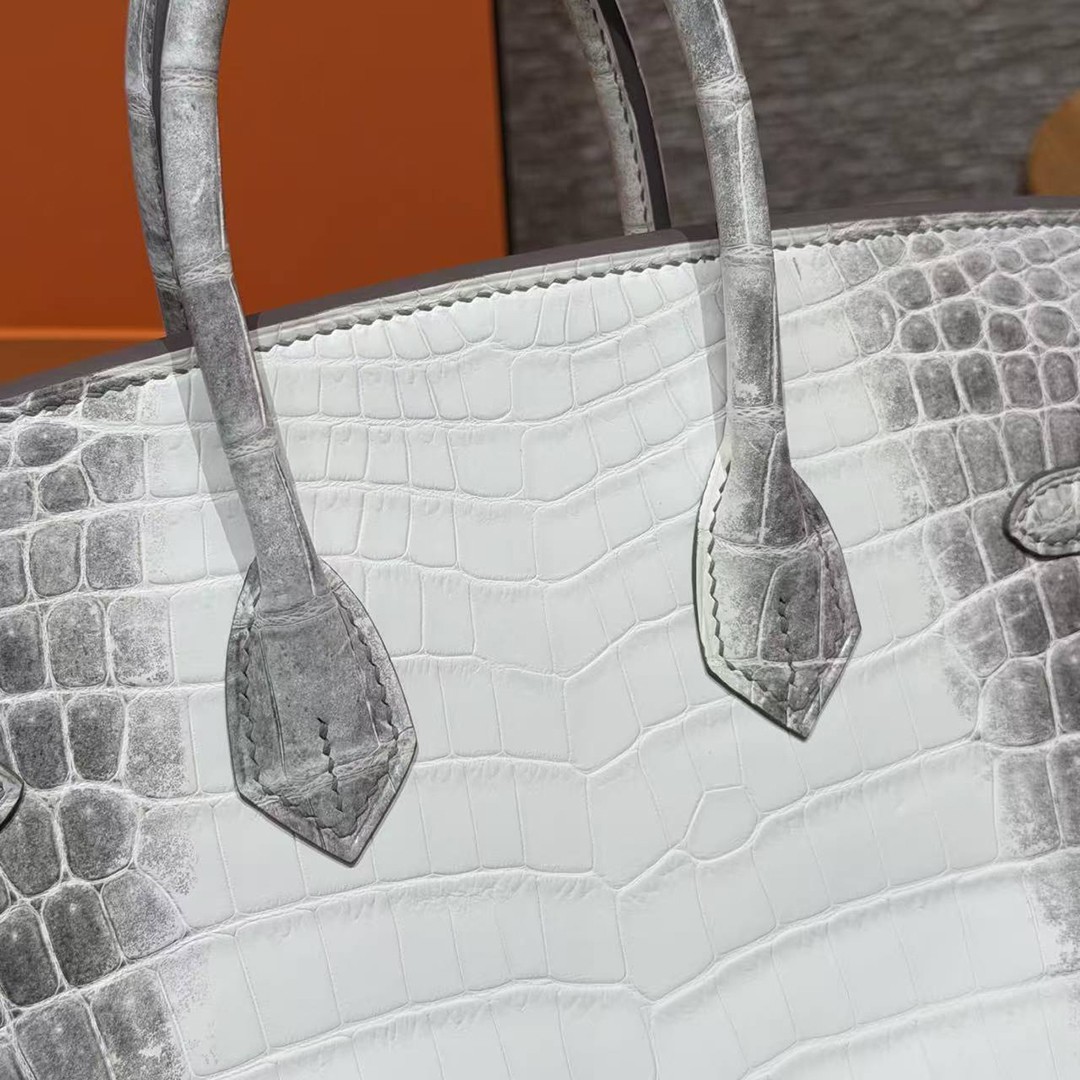
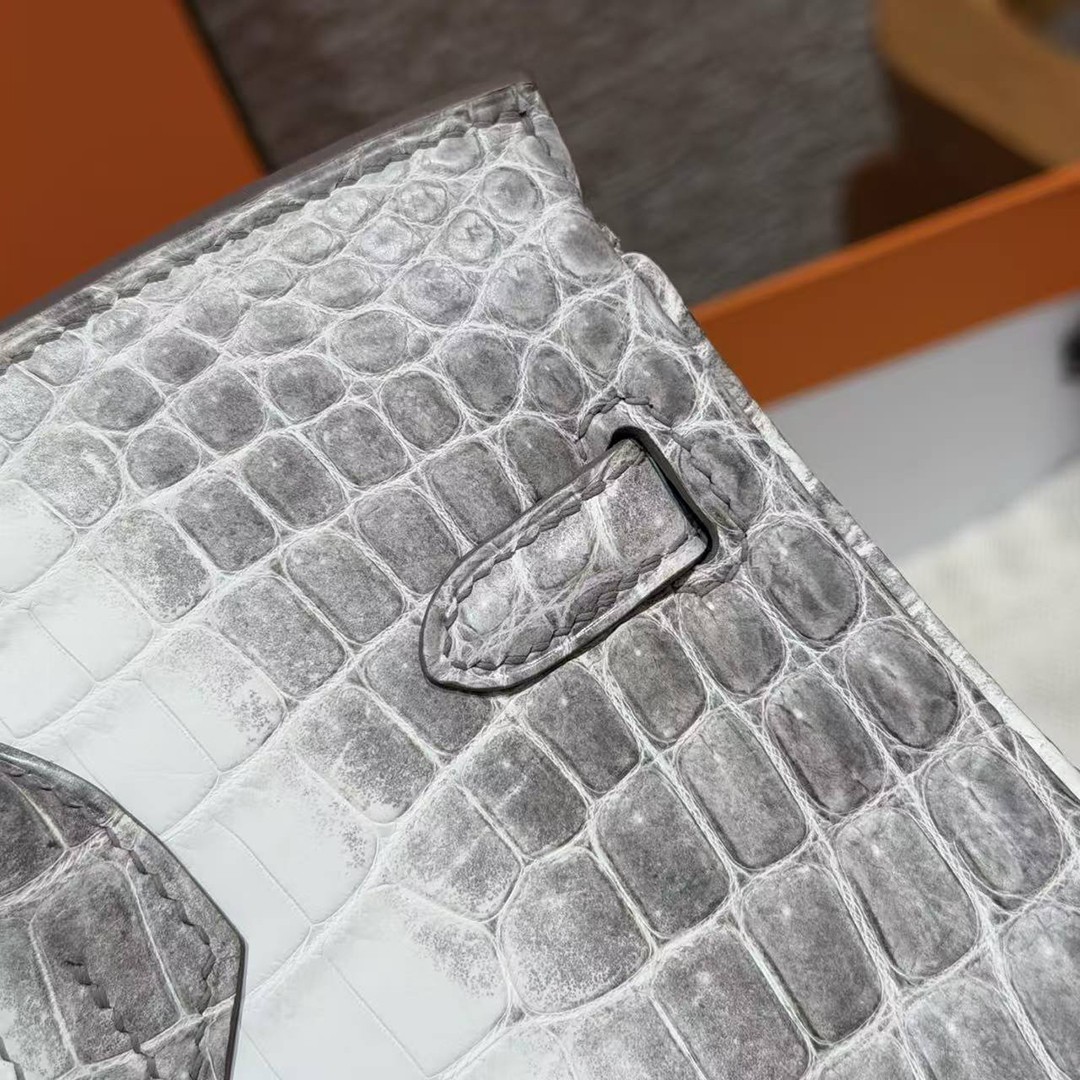
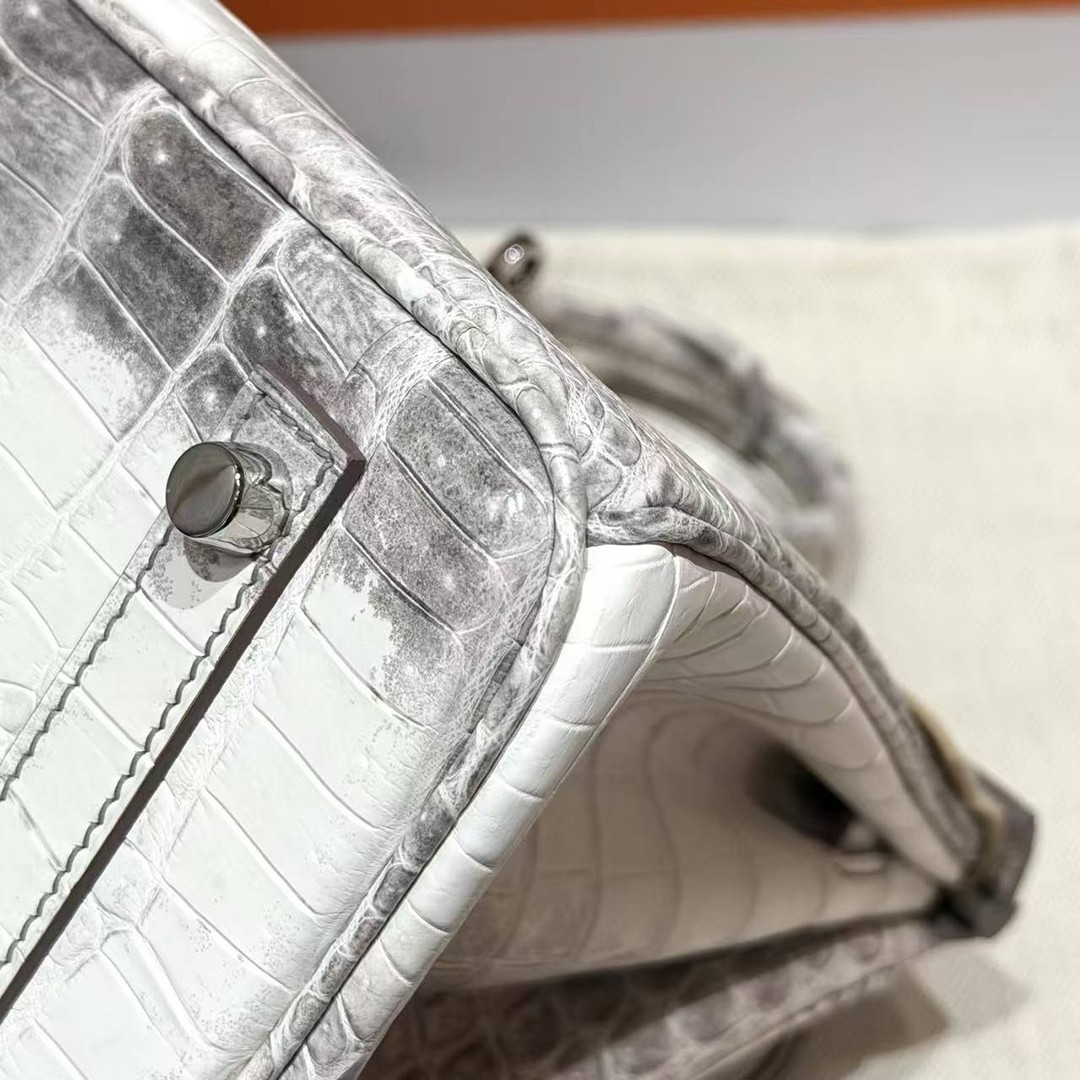
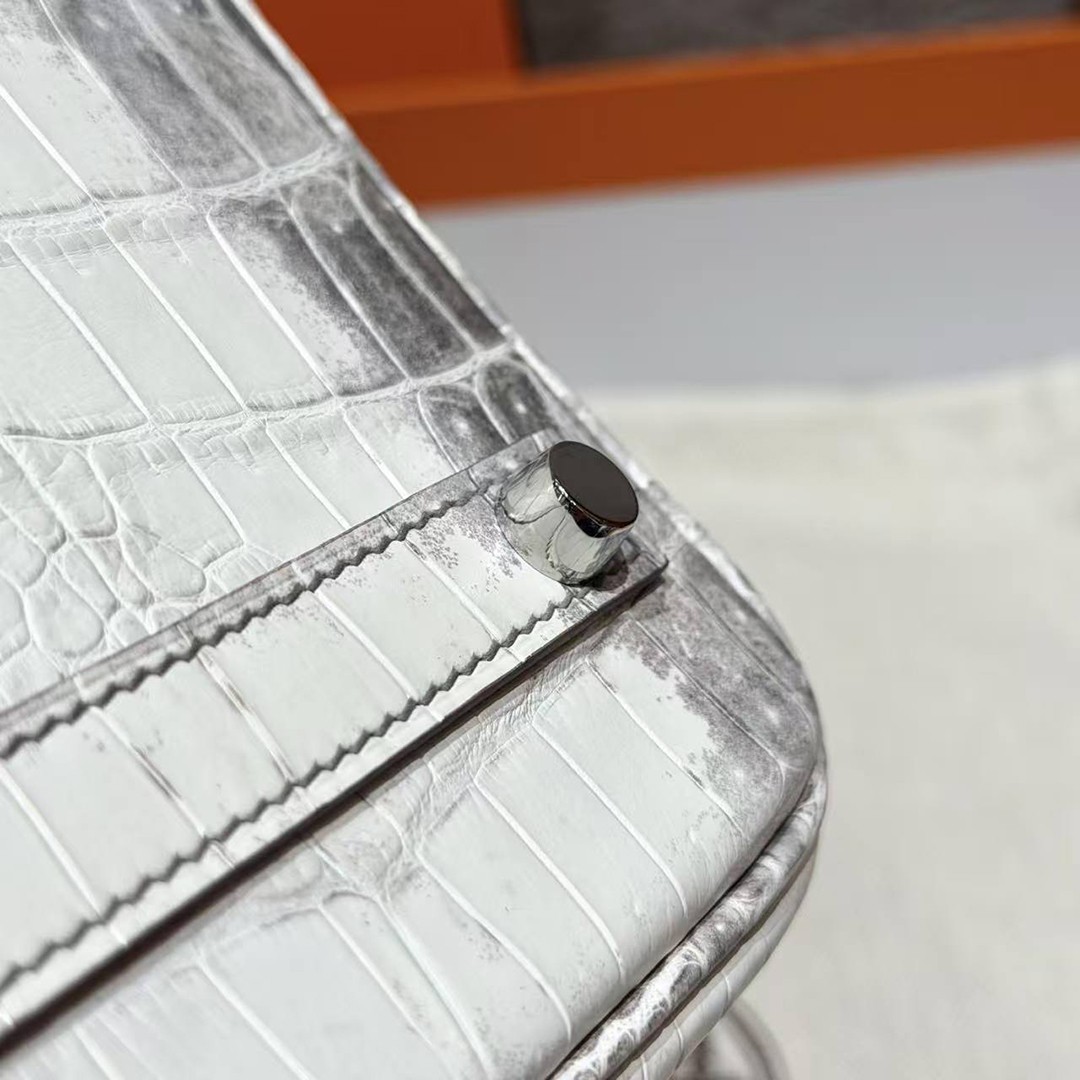
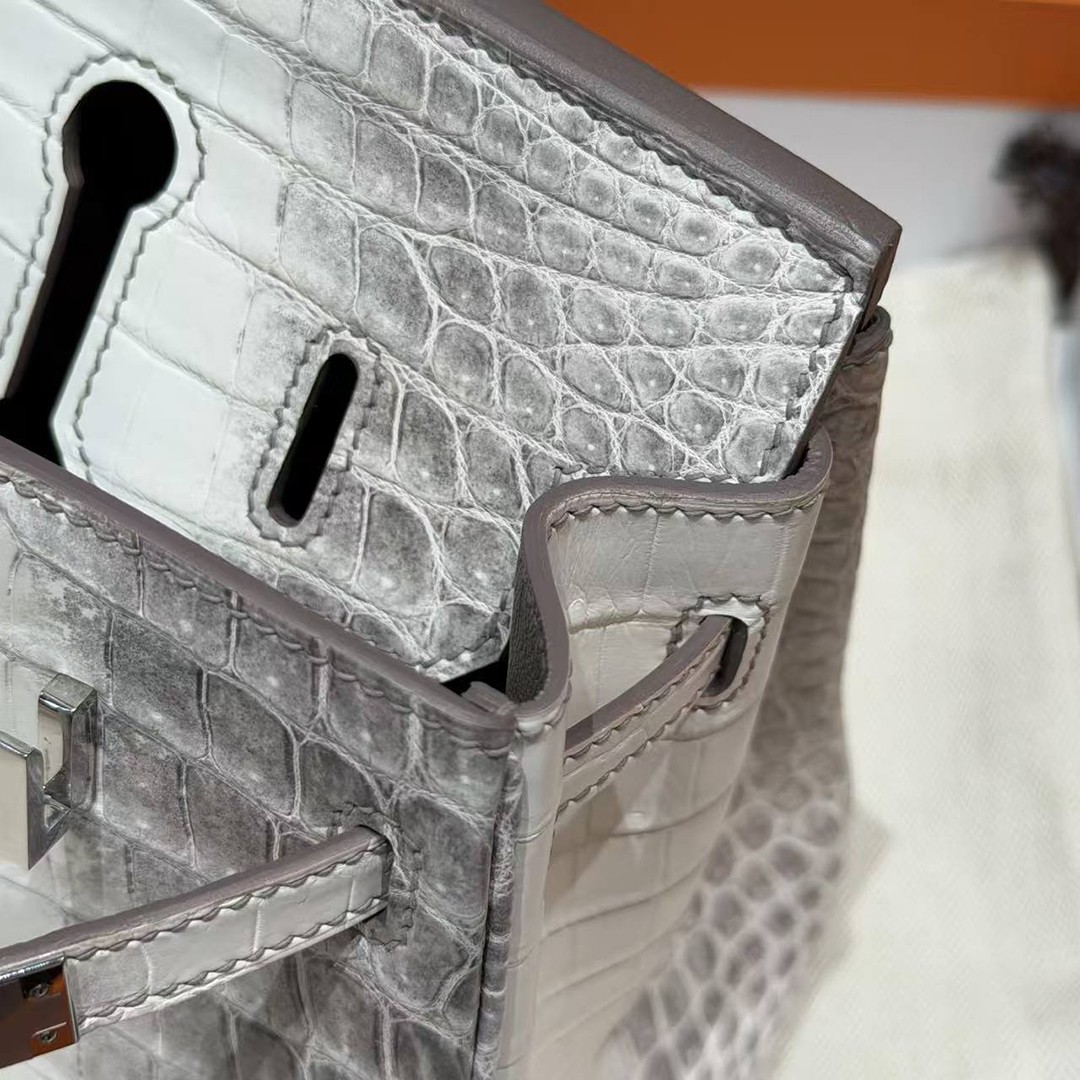
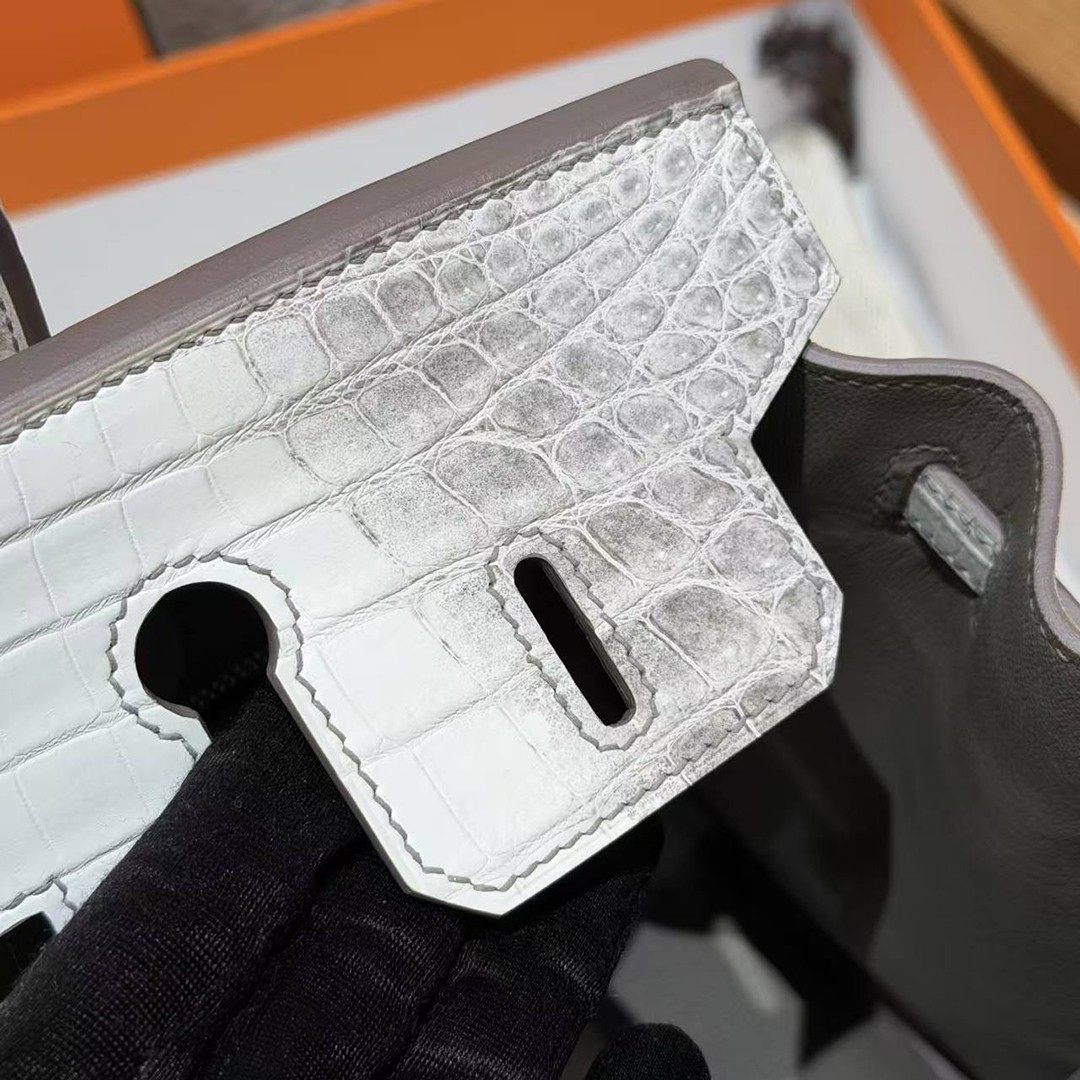
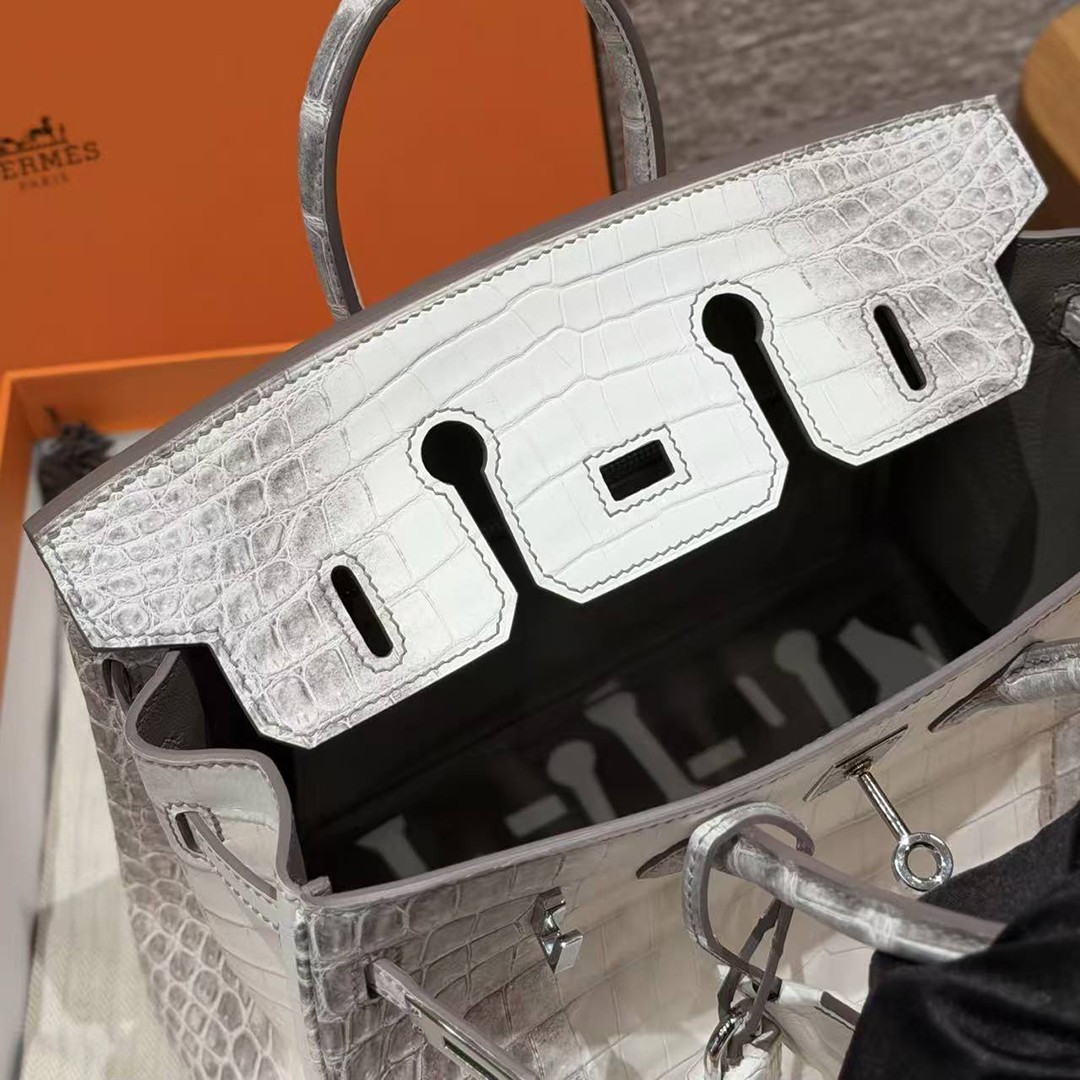
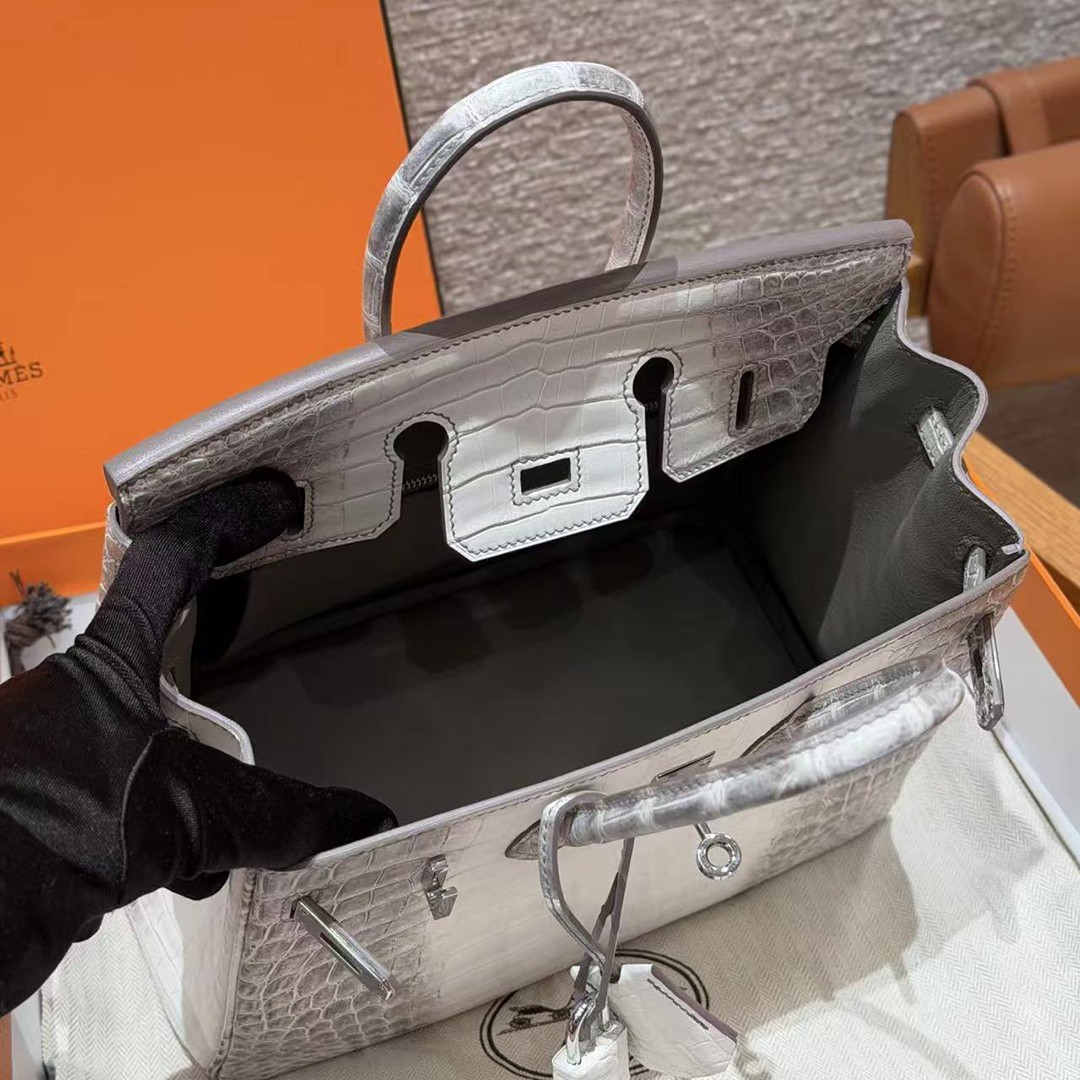
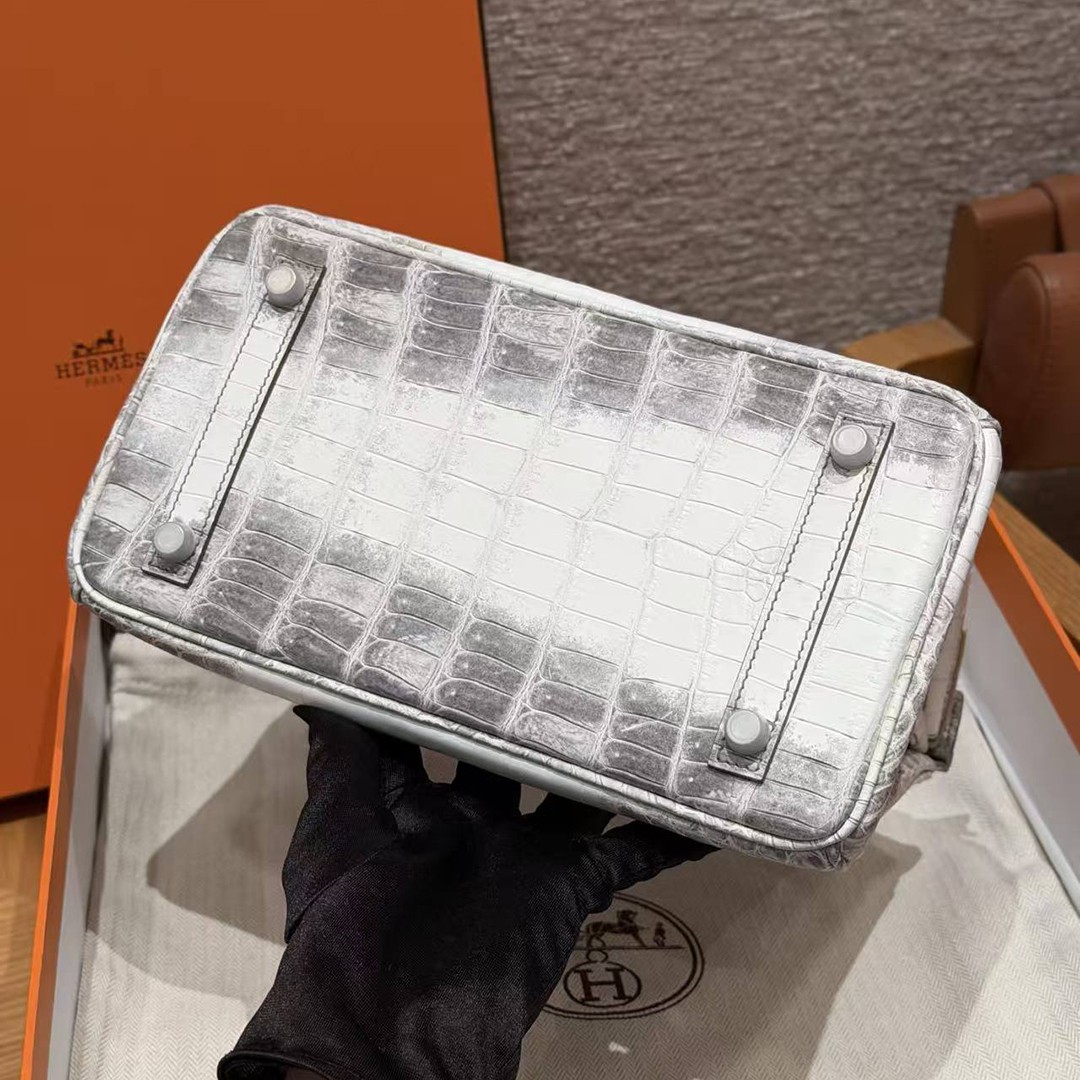
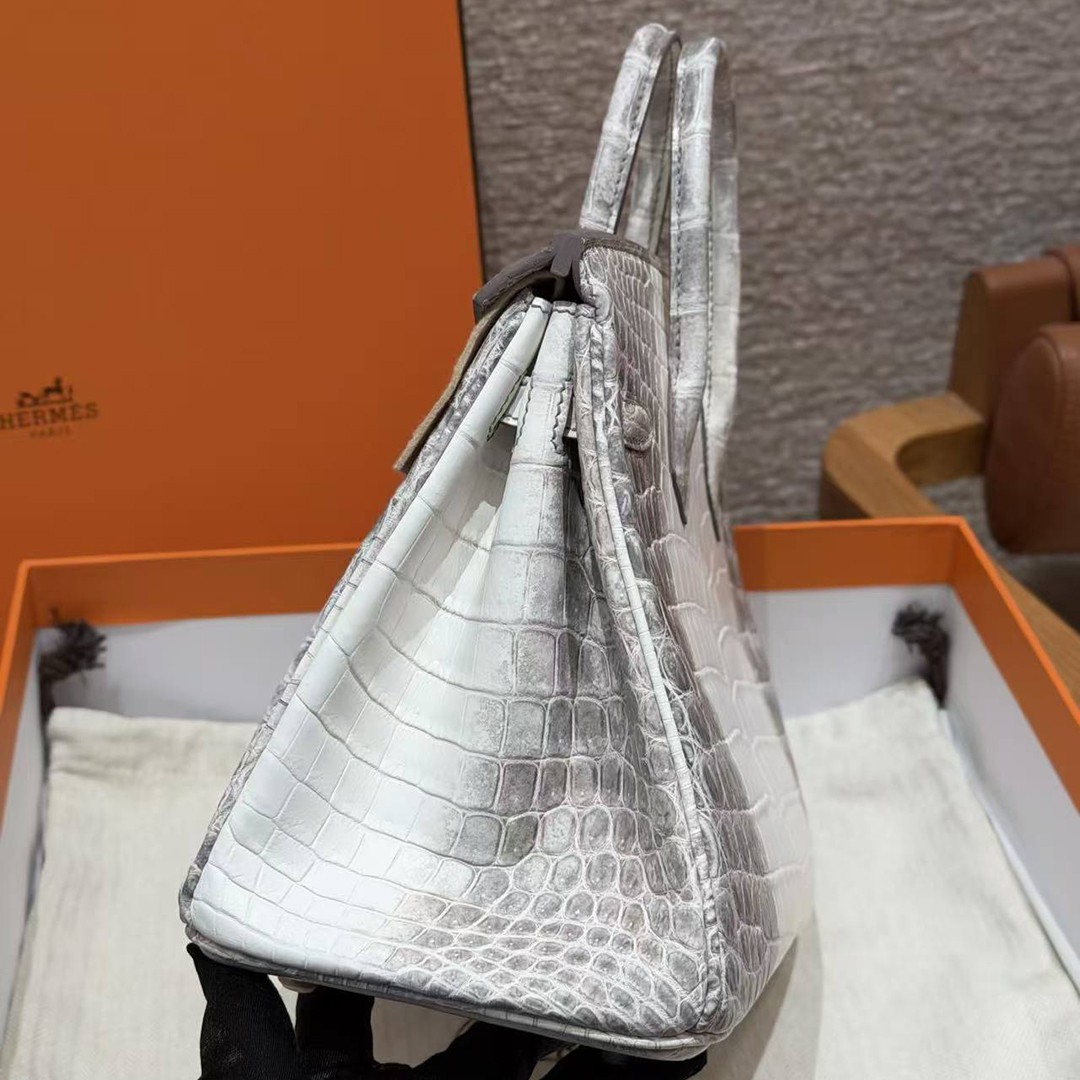
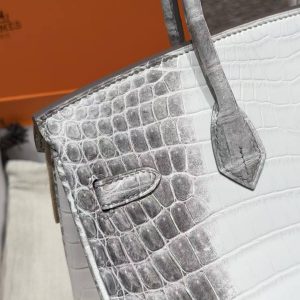
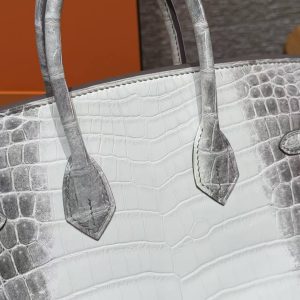
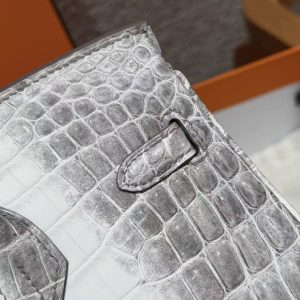
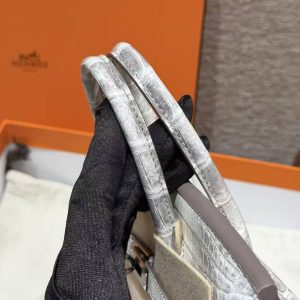
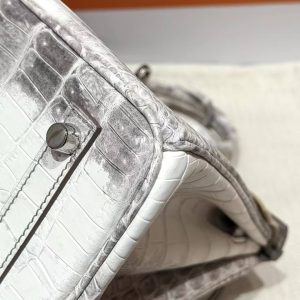
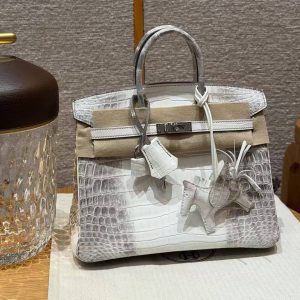
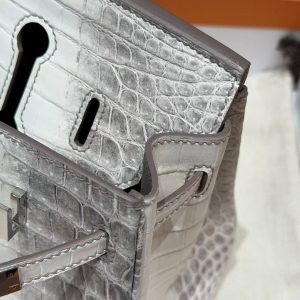
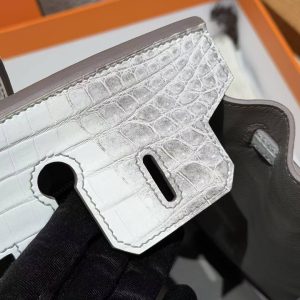
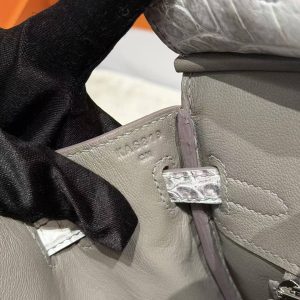
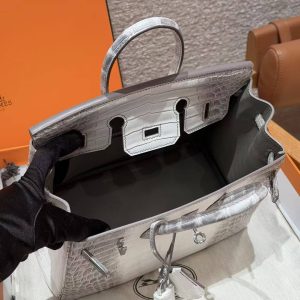
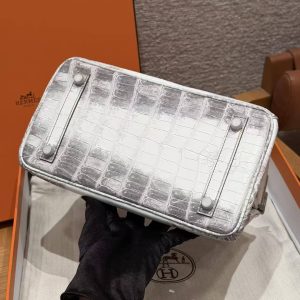
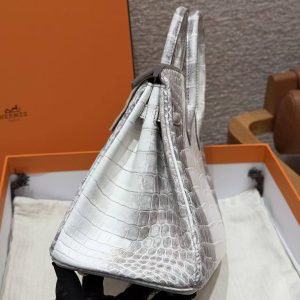
The Himalaya finish is a fade, not a colour: pearl at the top of the bag, smoky grey through the middle, deepening toward the base like a mountain ridge under snow light. On Niloticus scales the gradient has texture as well as tone, and the two effects together are the reason this bag looks different at every hour of the day.
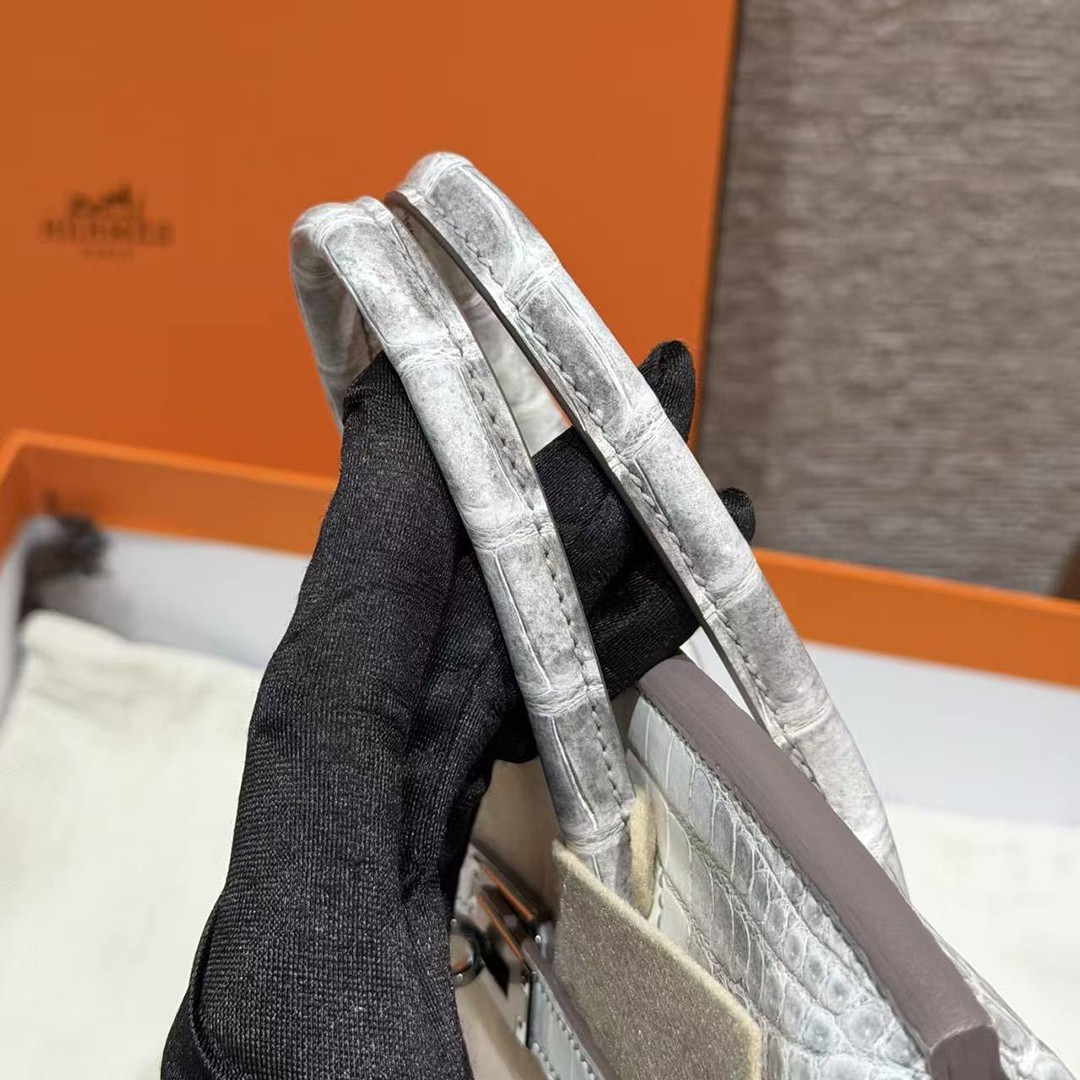
Twenty-five centimetres across the base, the compact format carries a phone, a mini pouch for cards and a set of keys – a deliberate minimum, because this is not a bag for receipts and clutter. The handle is set for hand or crook-of-elbow carry, and the whole object weighs less than it appears to. At a dinner table it takes one corner of a small chair and holds its ground.
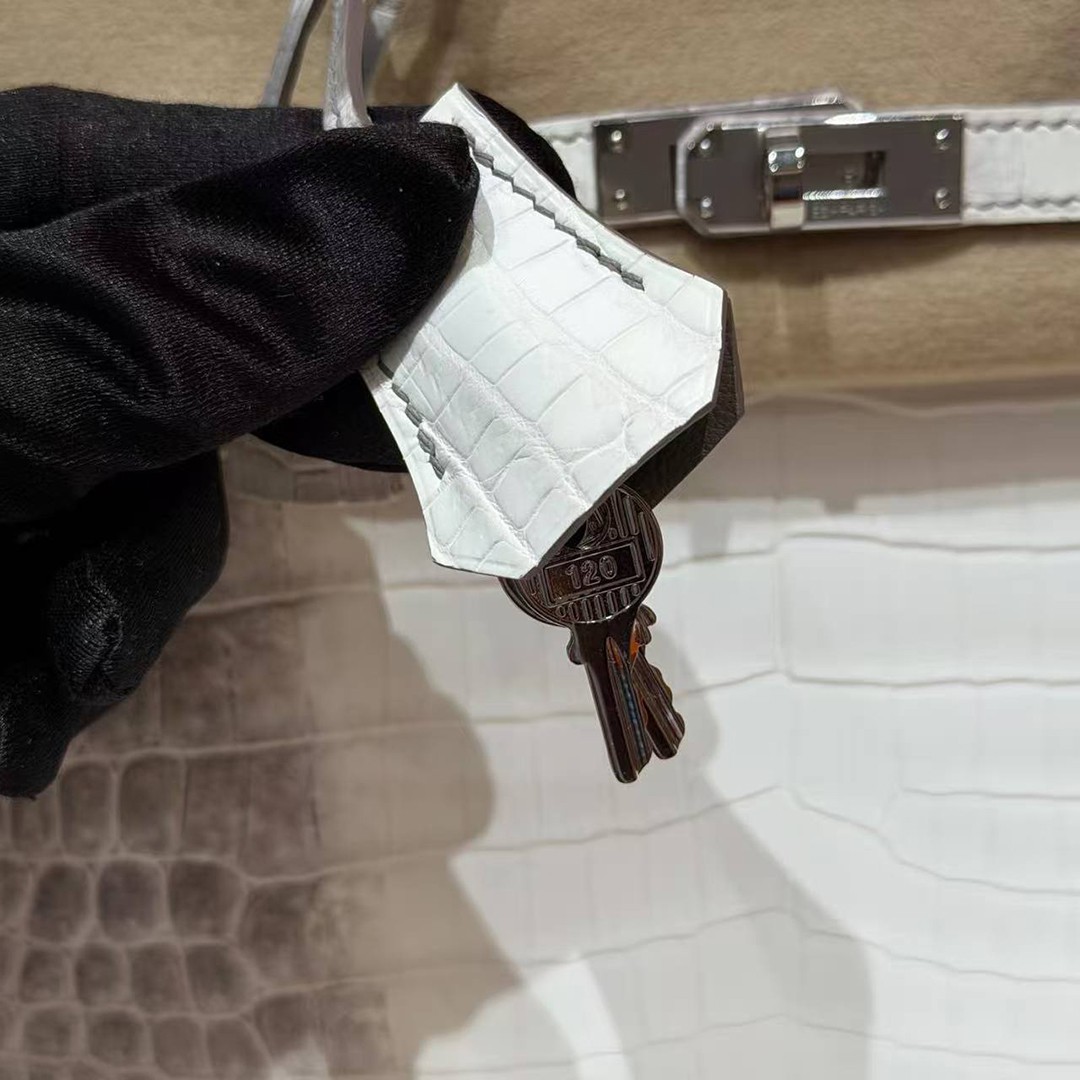
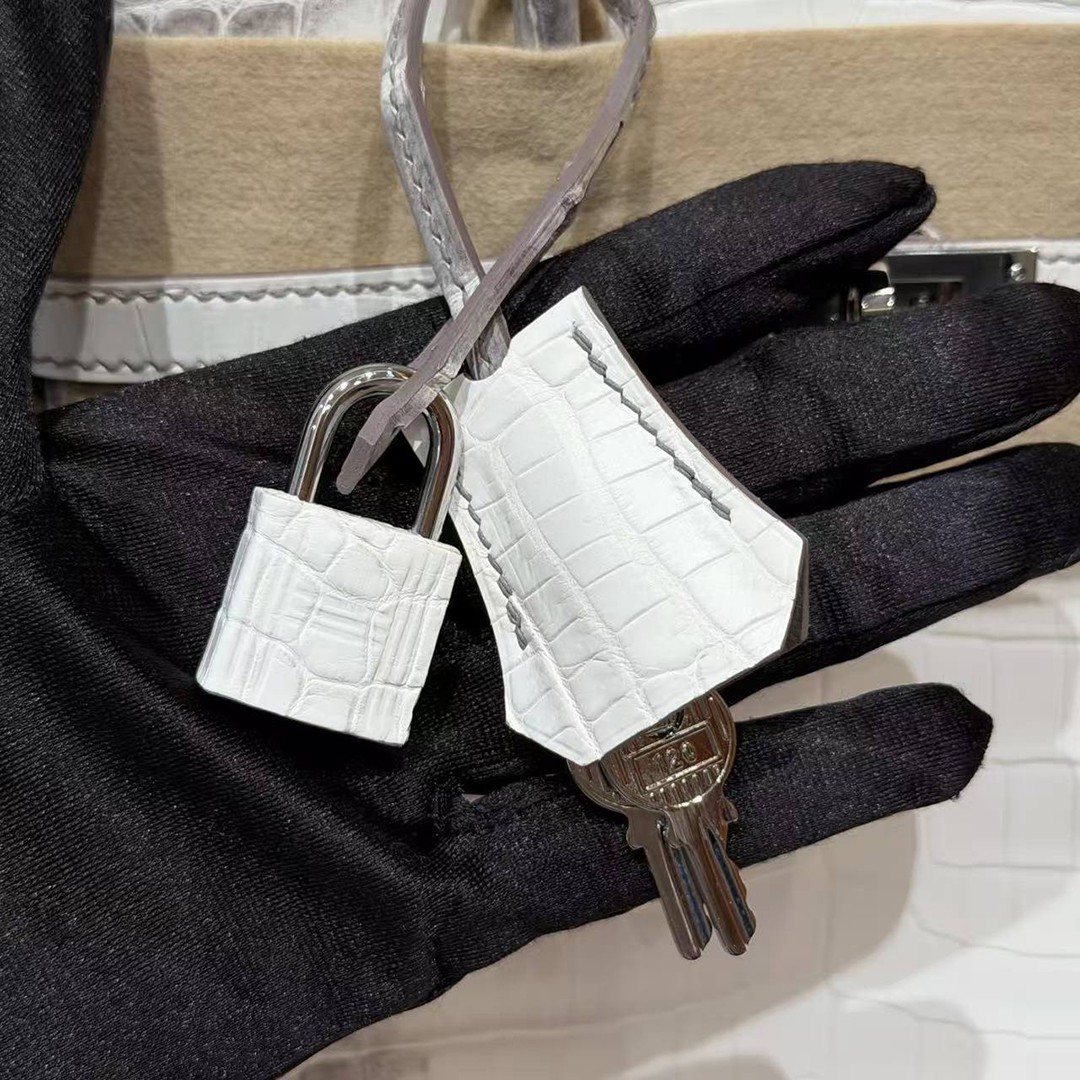
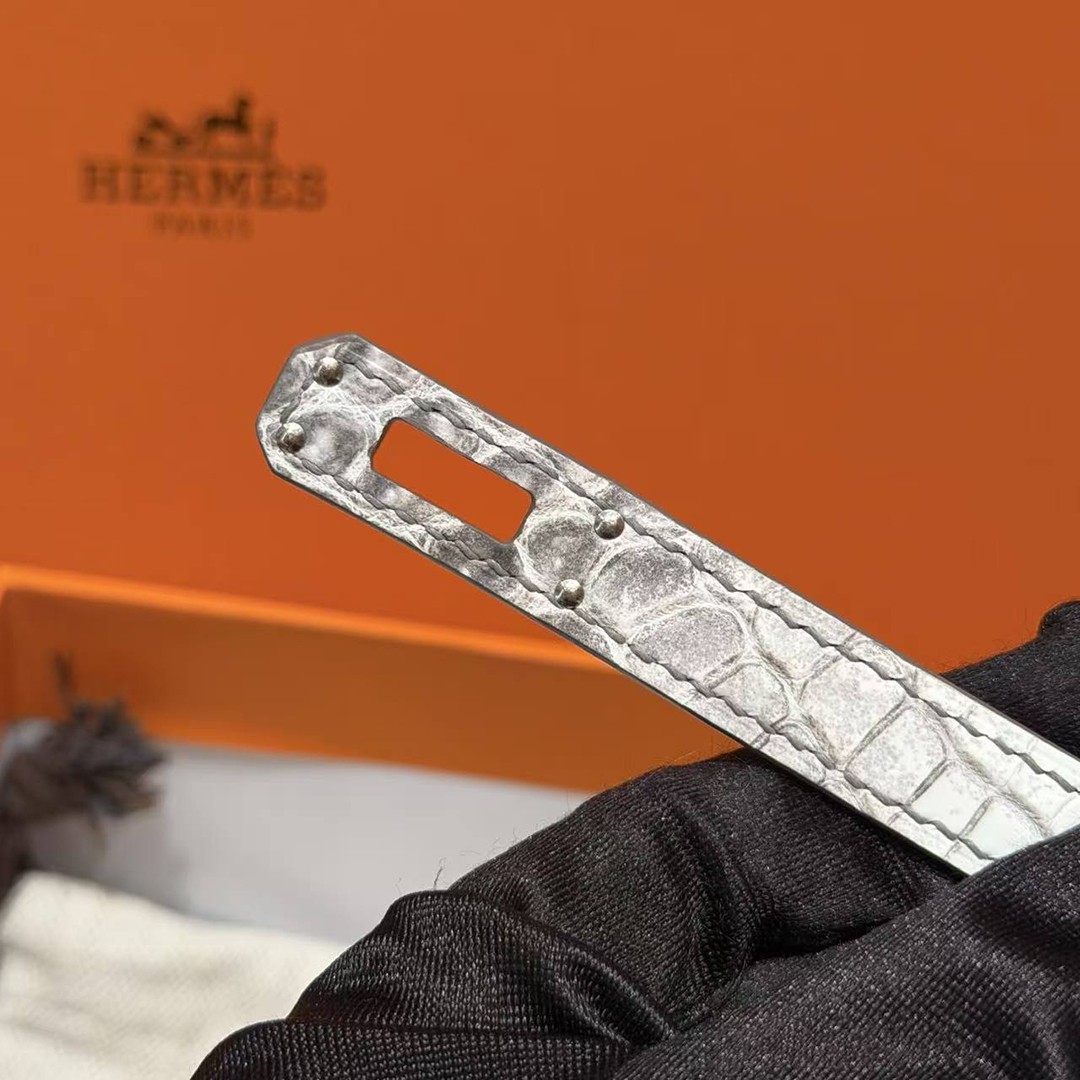
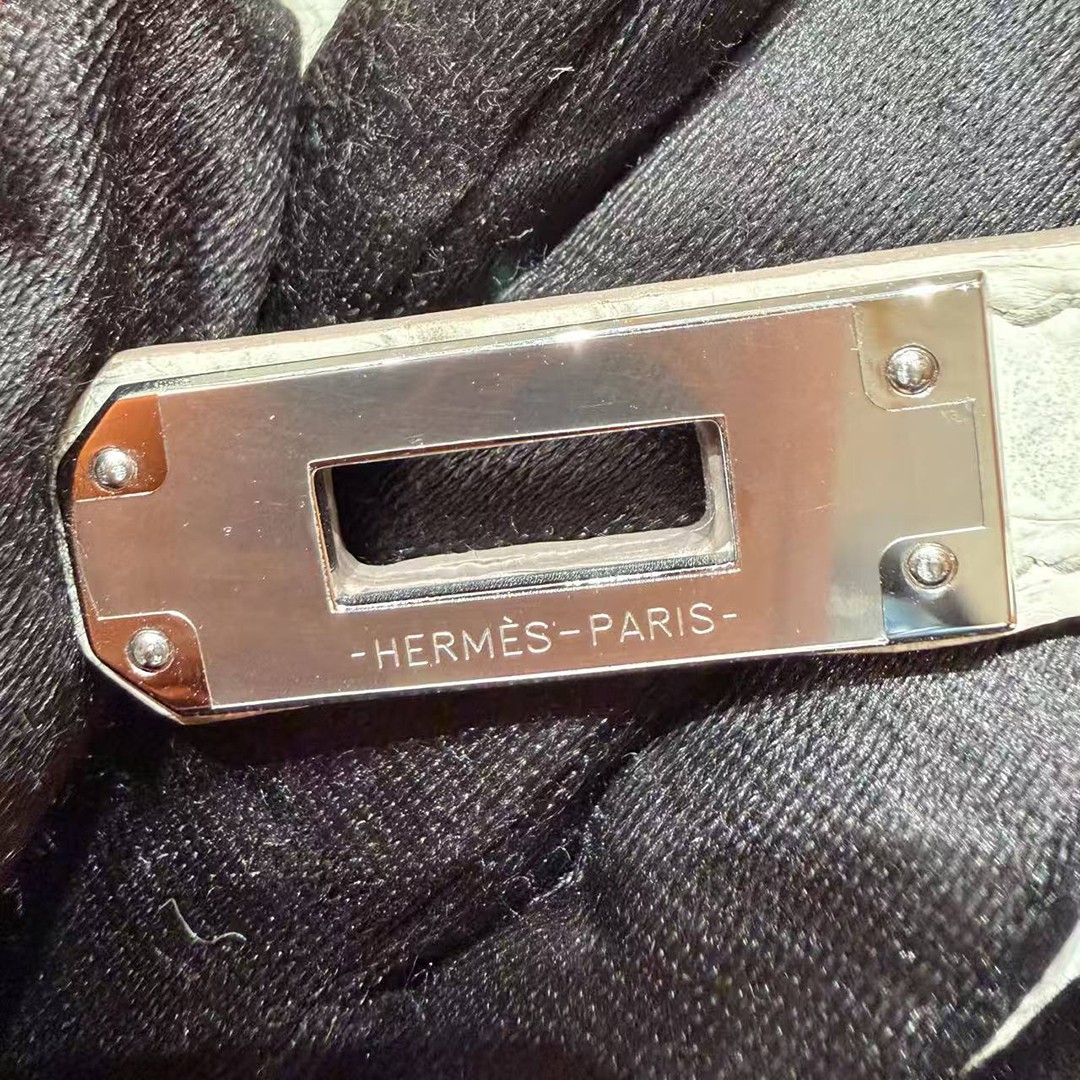
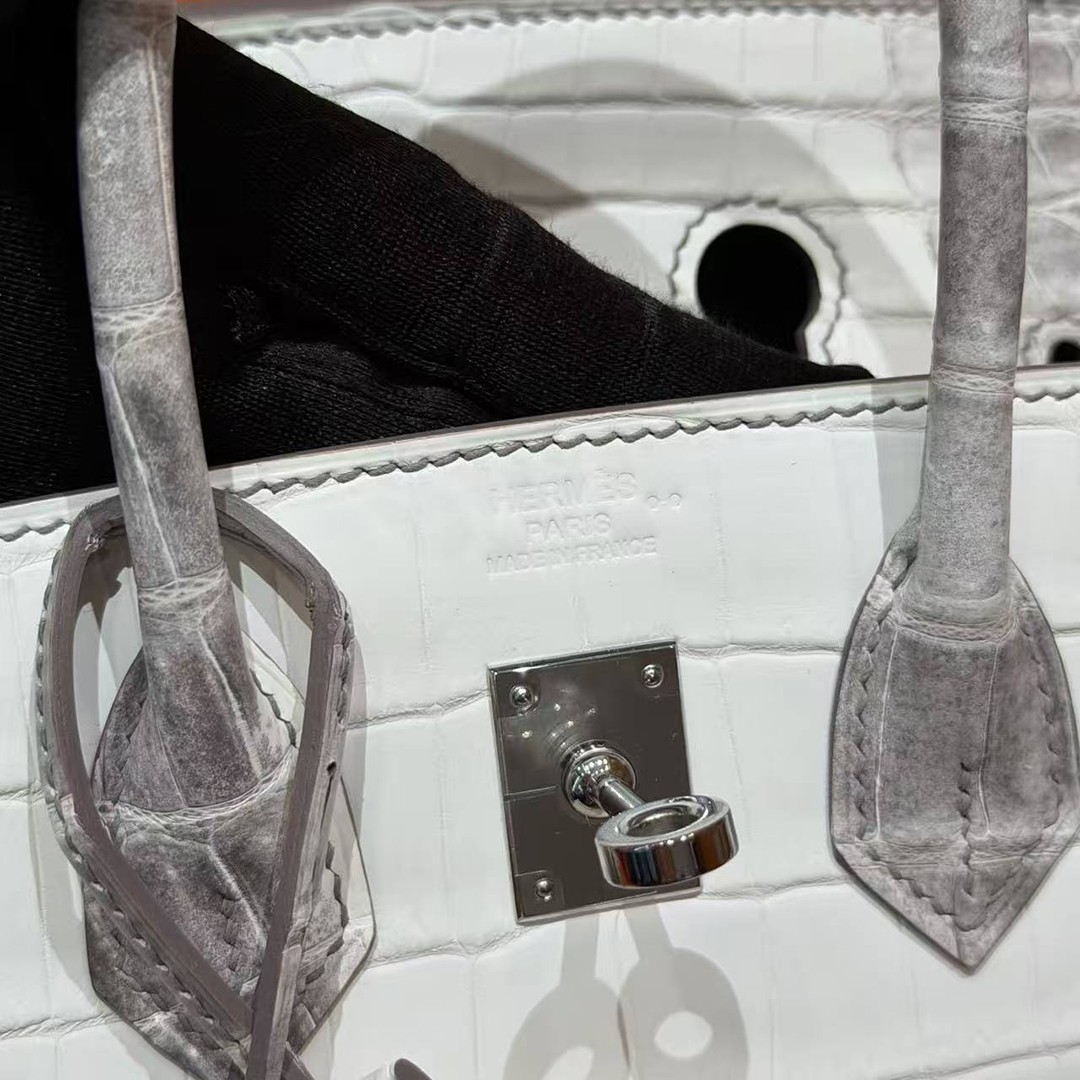
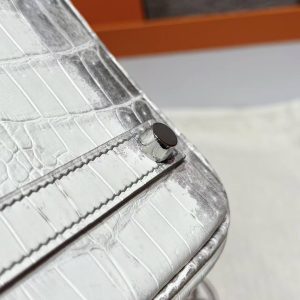
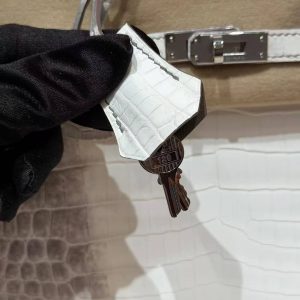
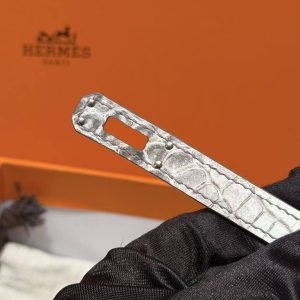
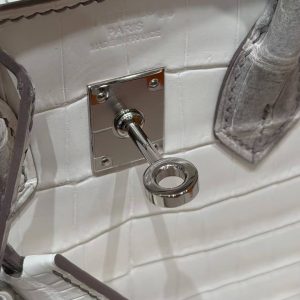
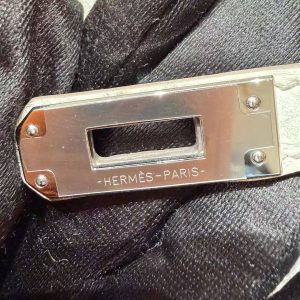
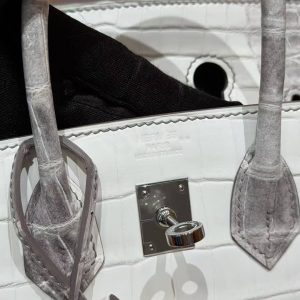
Niloticus is the Nile crocodile, imported from France, and its scale pattern is deeply regular – square-ish plates that catch light like a fine mesh. Silver hardware is the correct choice against the gradient; gold would add warmth the composition does not want, and the bell and lock follow the gradient’s lead rather than fighting it.
Two practical truths. The palest scales show dust and hand oils where the flap is lifted, so keep a dry microfibre cloth in your bag rotation and use it weekly. And never wipe exotic scales with alcohol or solvent of any kind – unscented leather care, applied sparingly, is the whole routine. Treated with that restraint, this is the most quietly extraordinary bag I have owned.
Related products