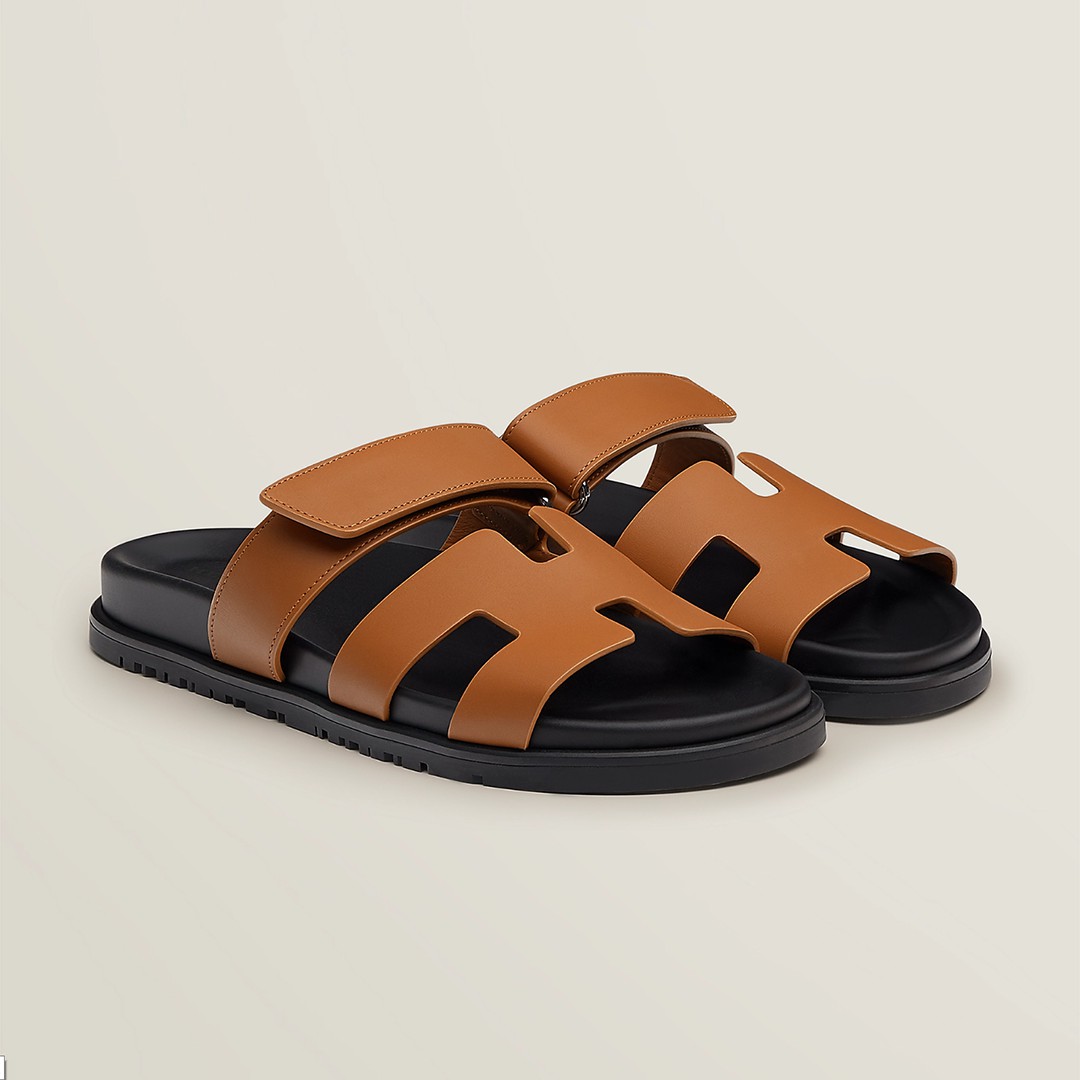

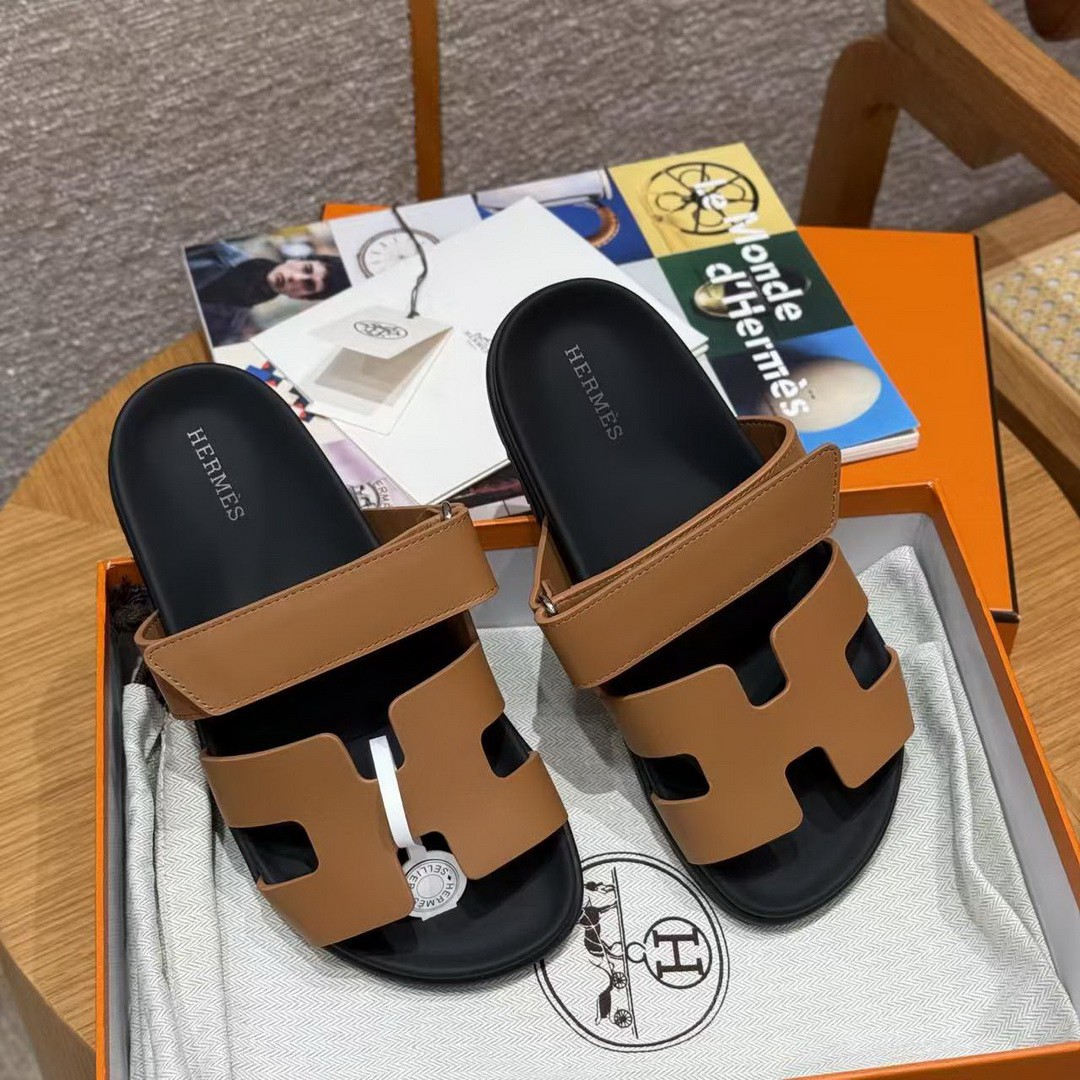
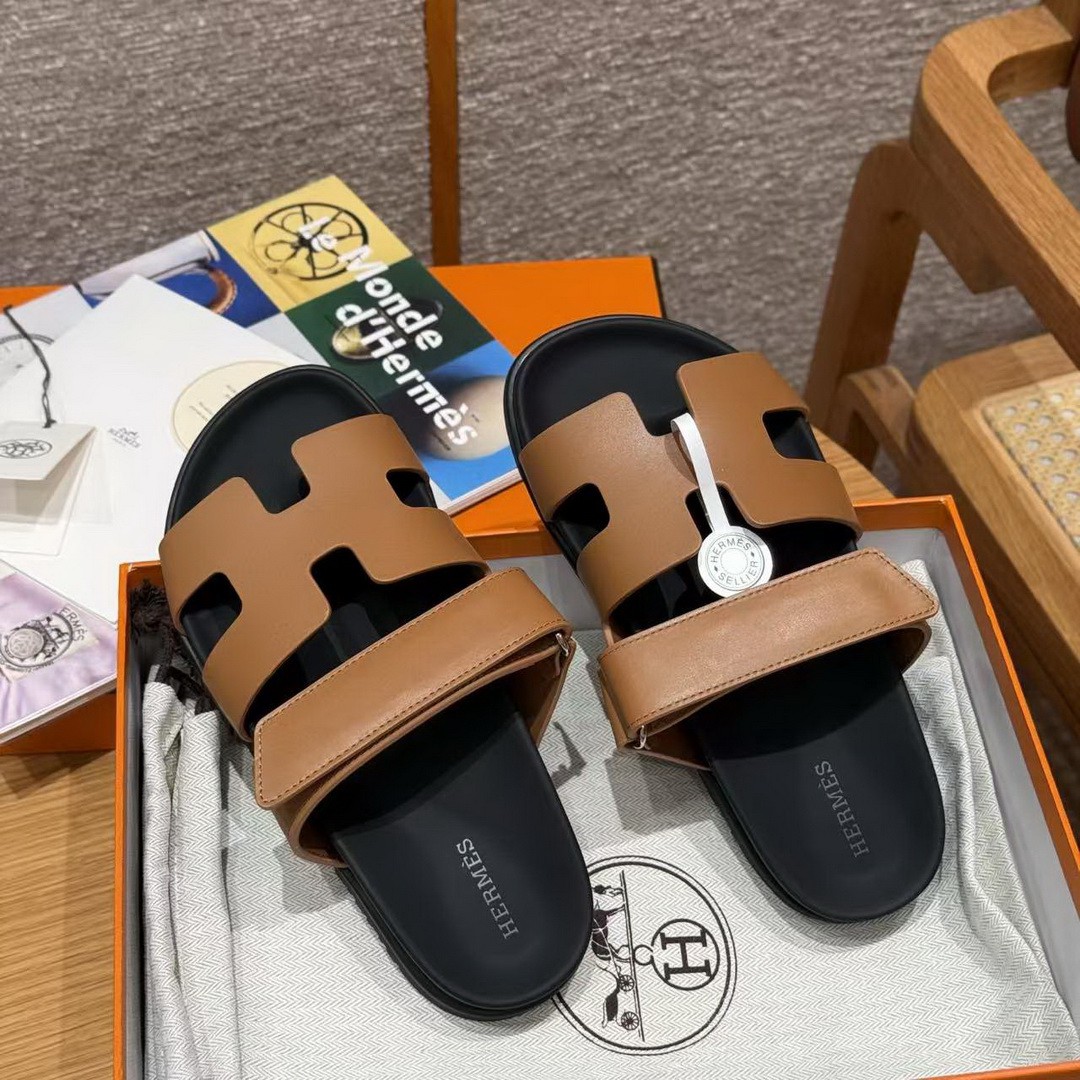
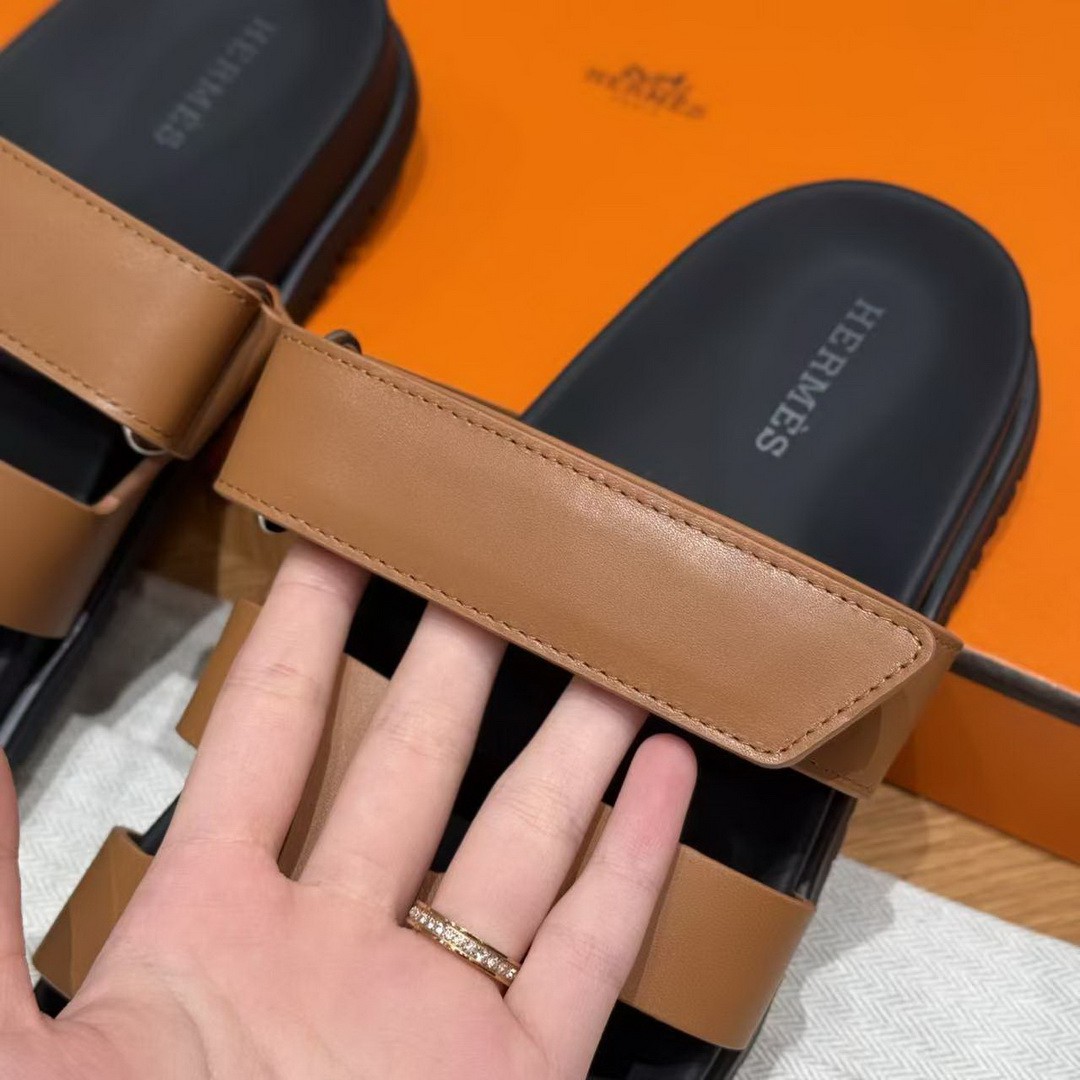
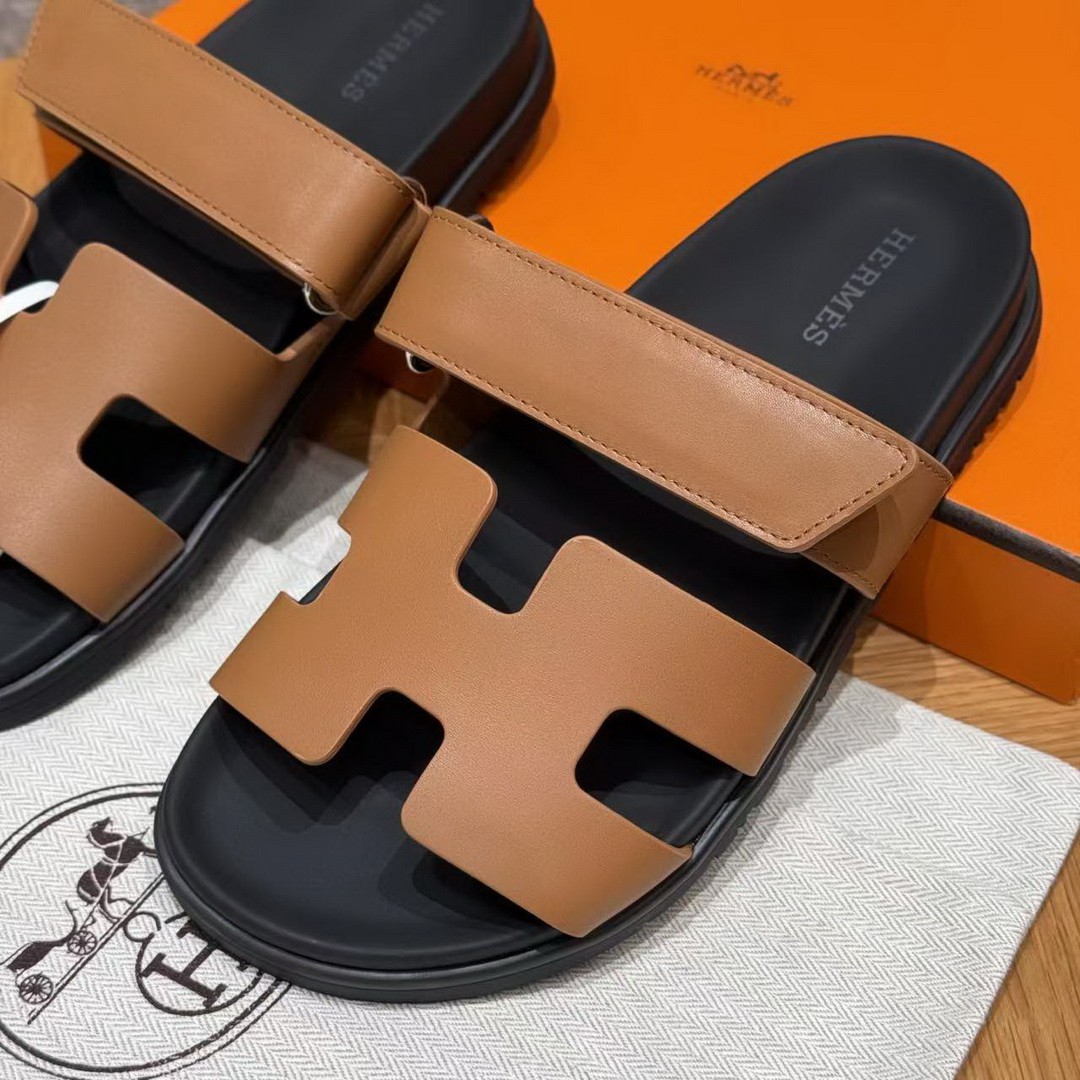


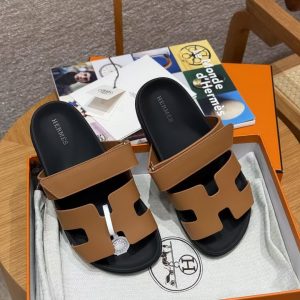
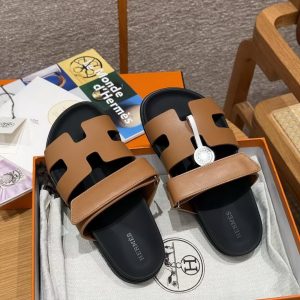








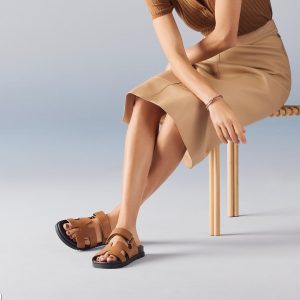
Hermes Chypre Sandal Women Techno-sandal Calfskin Naturel H222299Z A3340
Original price was: $1,125.00.$169.00Current price is: $169.00.
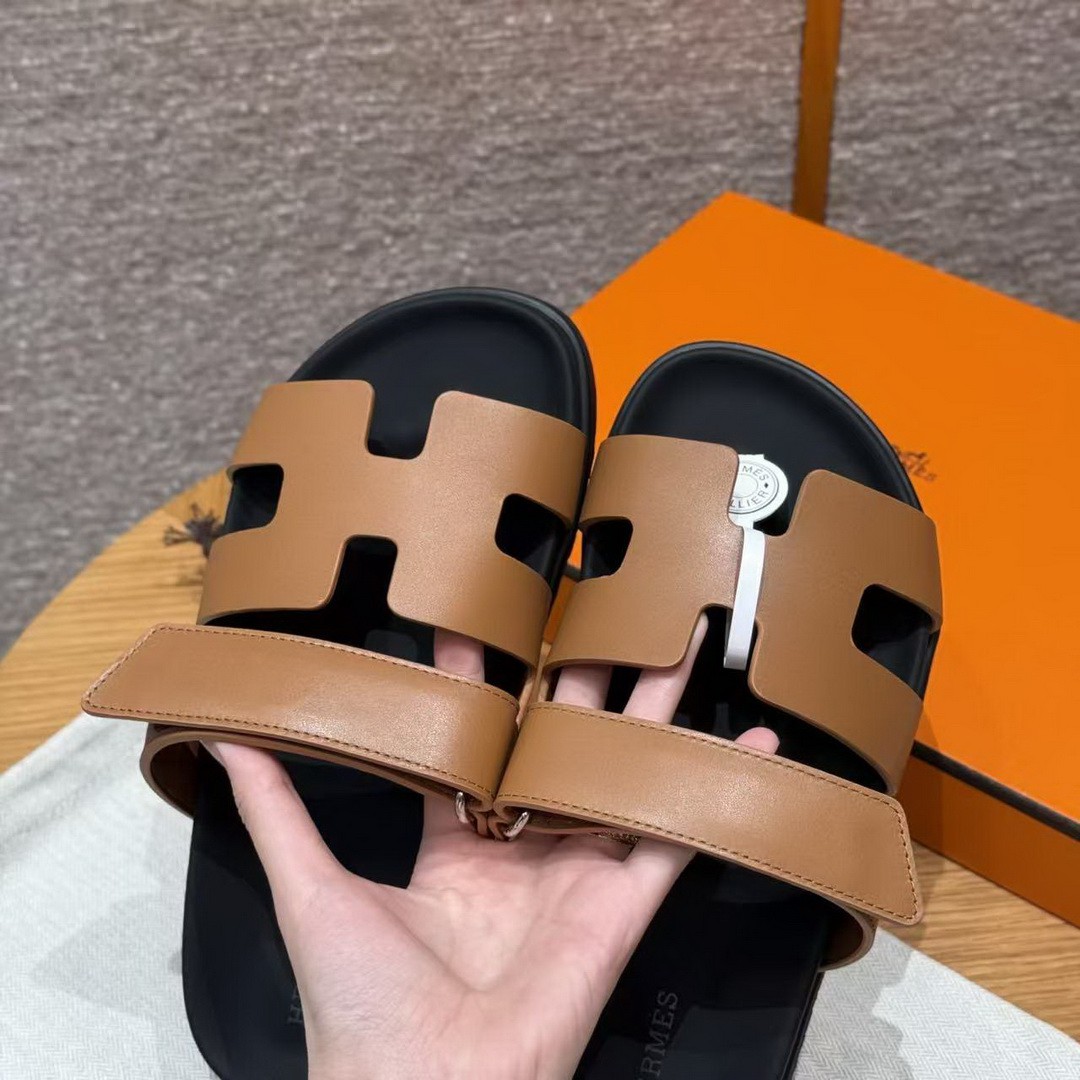
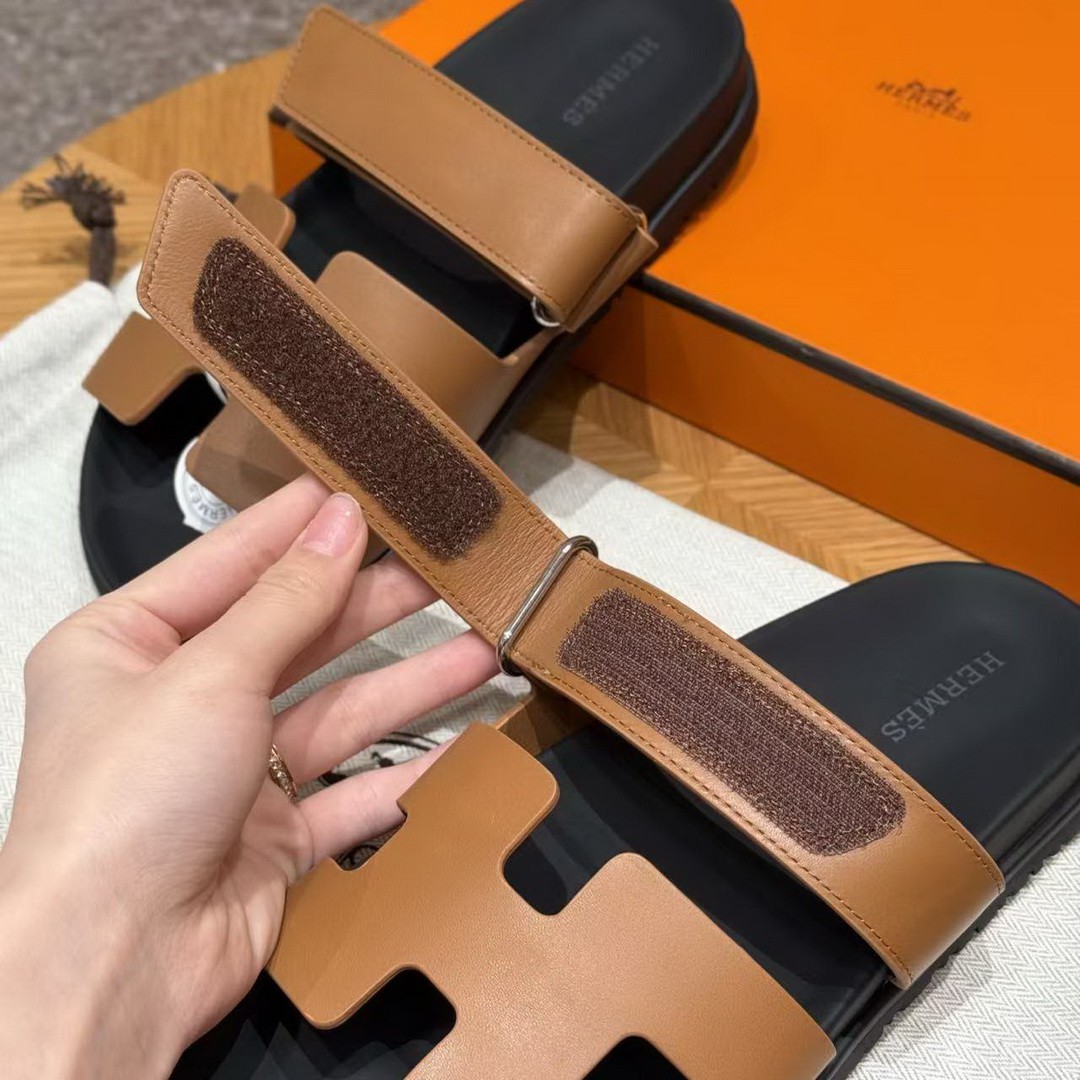
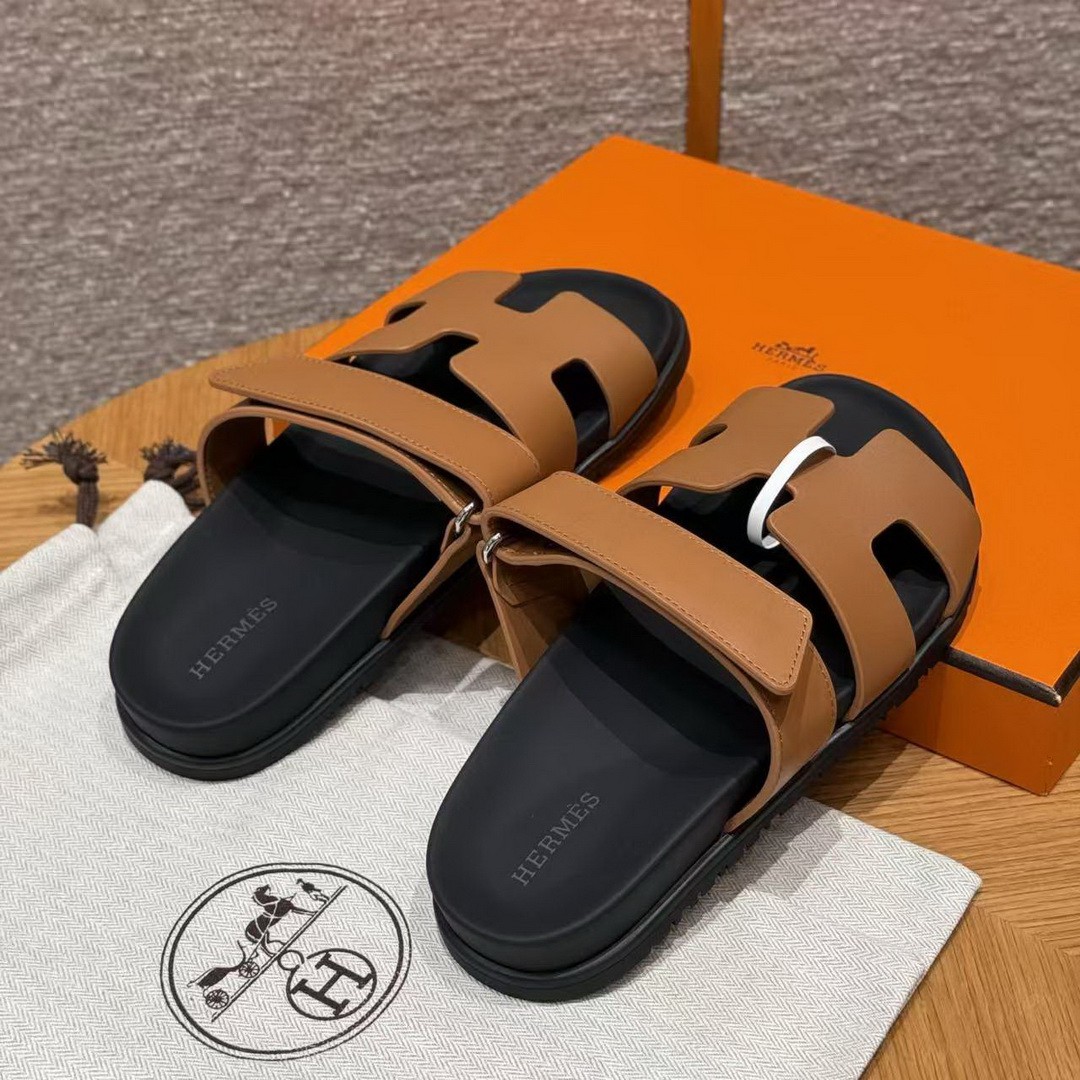
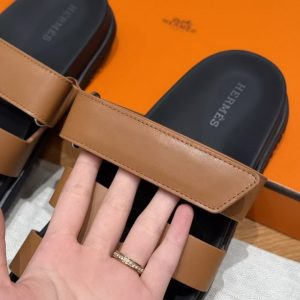
Hermes Chypre Techno-sandal in calfskin with anatomical rubber sole and adjustable strap.
A sleek design for a comfortable and casual look.
Made in Italy
Heel height: 0.5″
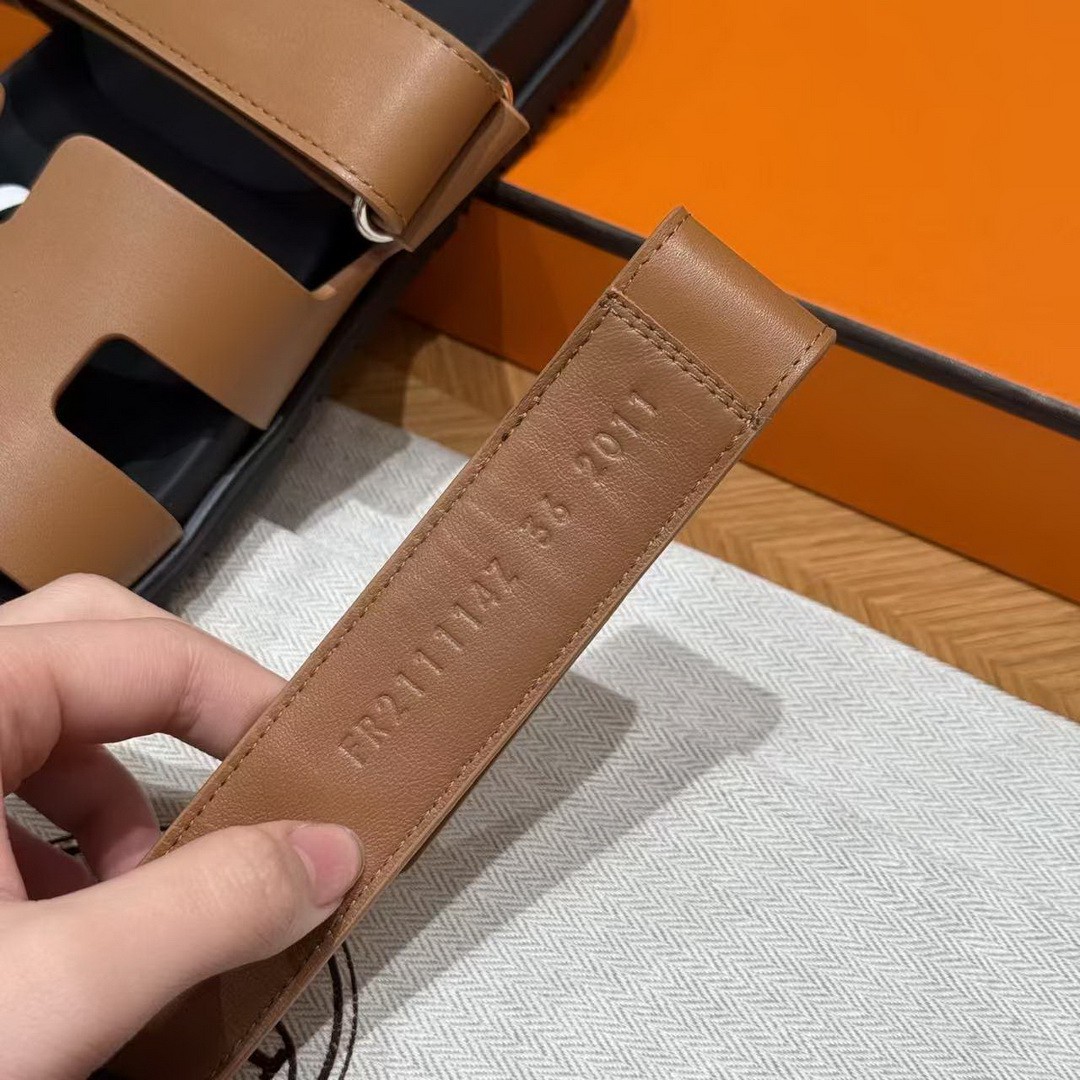
Product reference: H222299Z A3340
Product details
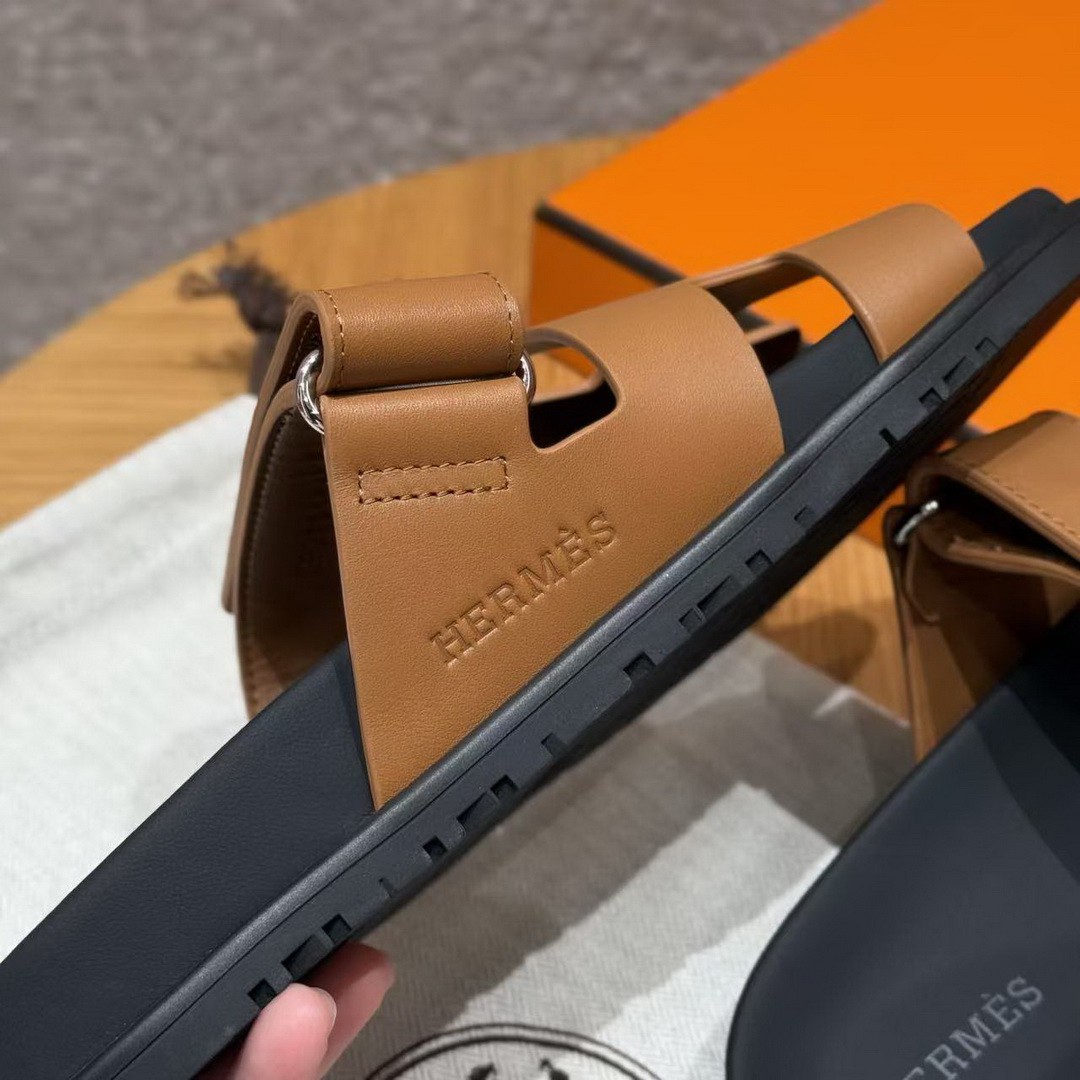
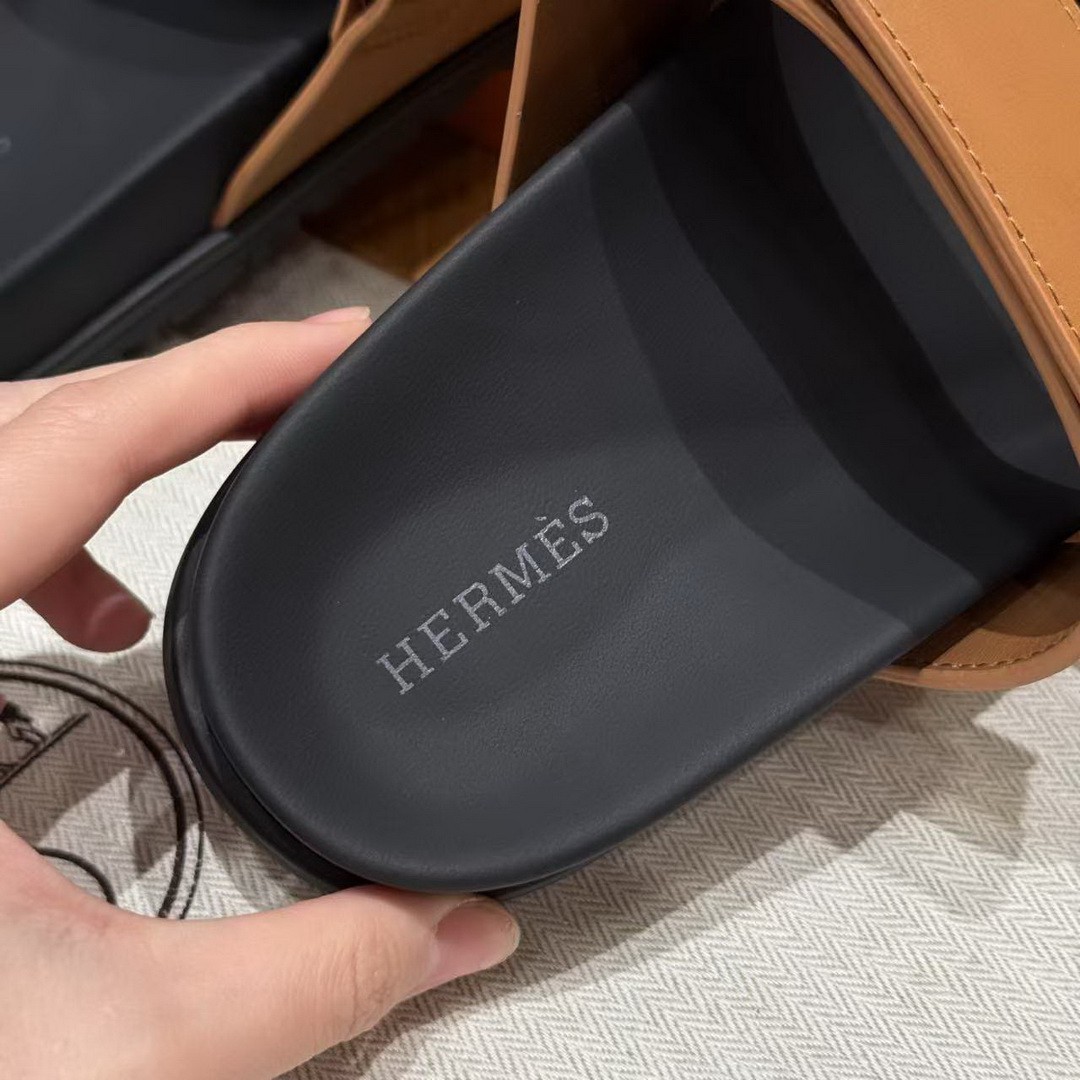
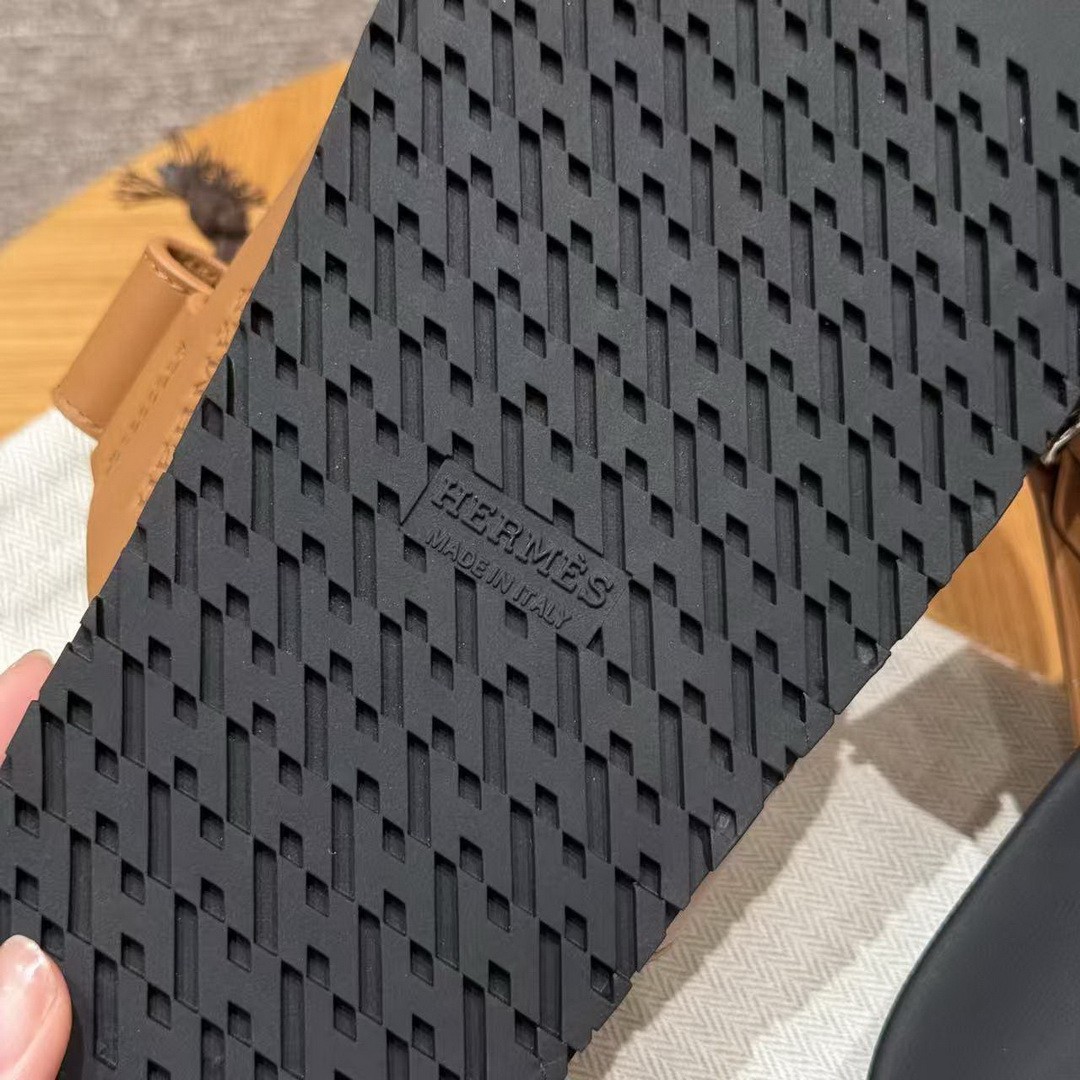
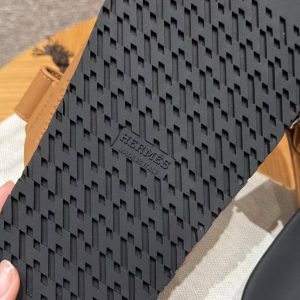
Black rubber sole
Black calfskin insole
Natural goatskin lining
What does naturel actually mean on a sandal? Nothing has been tinted. The calfskin keeps the soft, uneven tone of the raw hide, and the natural goatskin lining inside matches it, so the whole shoe reads like undyed leather rather than a colour choice.
Everything else follows the standard Chypre formula: anatomical rubber sole with a black outsole, black calfskin insole, adjustable strap across the instep, a half-inch heel and sizes from 36 to 41. The black sole under the pale upper is a deliberate, graphic contrast.
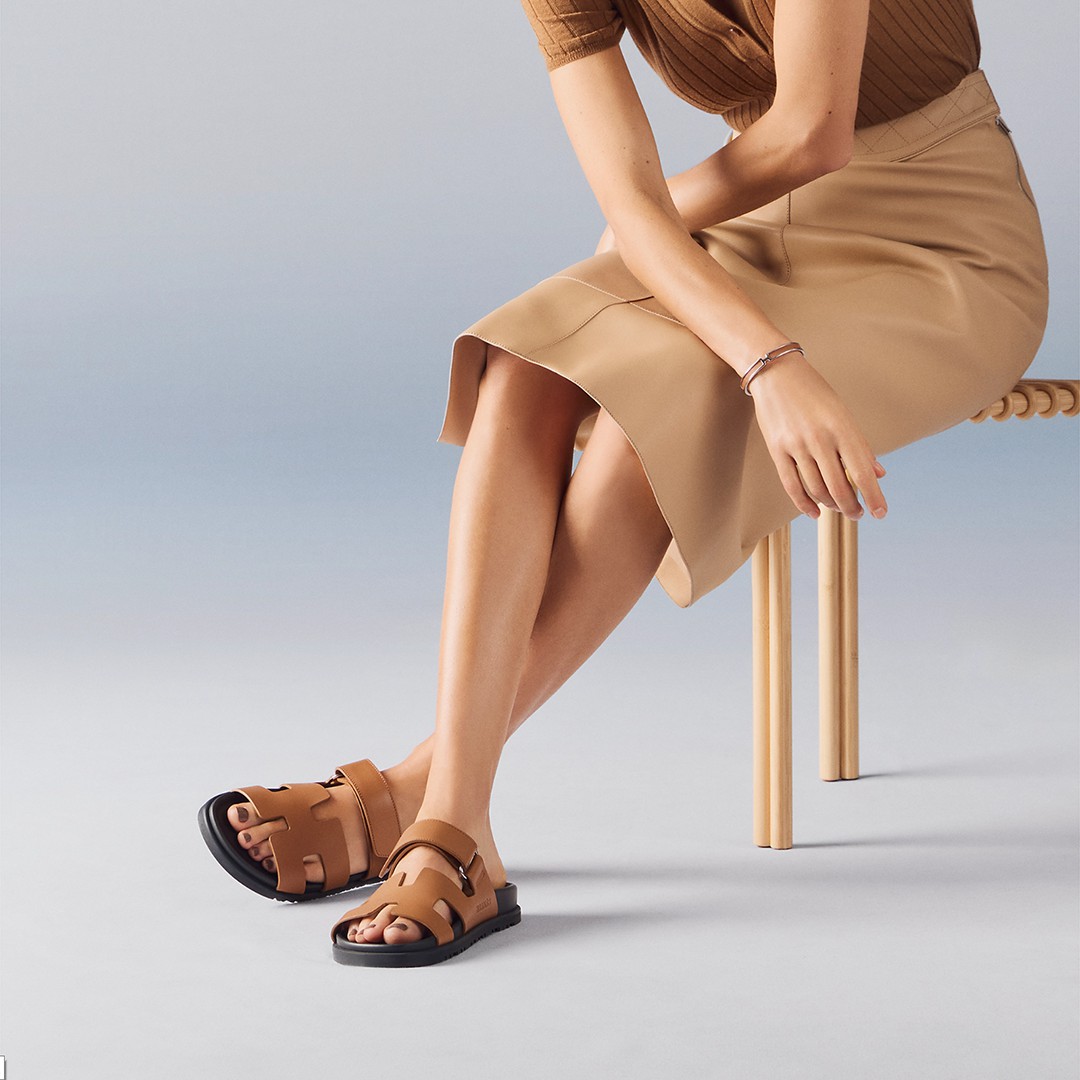
I took this pair on a coastal trip and wore them morning to night – sand, boardwalk, dinner – and the lack of pigment meant nothing looked artificial against tanned skin. The goatskin lining was comfortable from the first hour, with no strap bite even after a long walk to the harbour.
Styling is almost aggressive in how neutral it is: white linen, khaki, washed denim, anything earthy. It also makes a good bracket for jewellery in the same family – wood, bone, matte gold – because the leather itself has no strong colour to argue with. With no pigment involved, small marks can be blended with a little leather balm rather than recoloured.
The catch is the finish itself. Untinted leather takes on sun, water and oil over time, so this sandal will darken a shade or two and pick up character where you grip and flex. That slow tanning is the appeal for some and a fault for others; if you want a colour that stays exactly as shipped, choose a pigmented pair instead.
| WOMENS SIZE | 36, 37, 38, 39, 40, 41 |
|---|
Related products