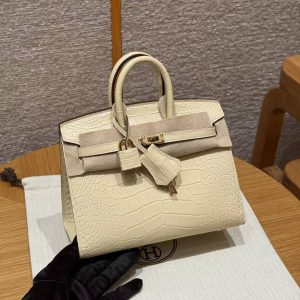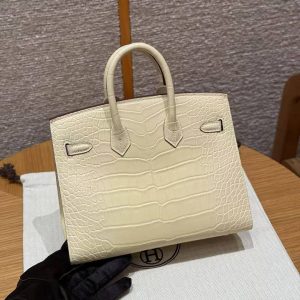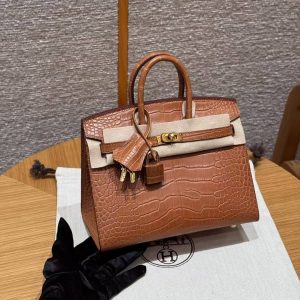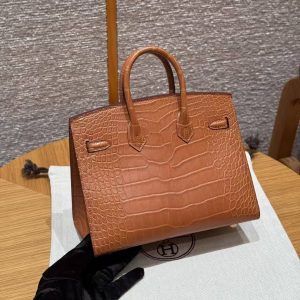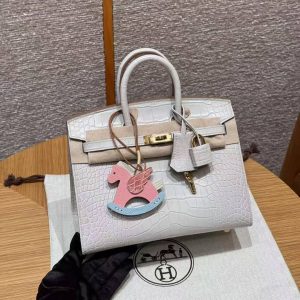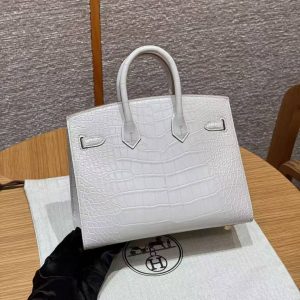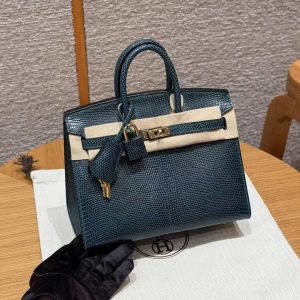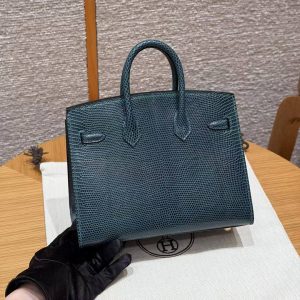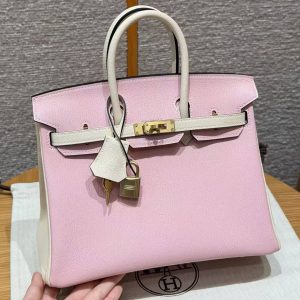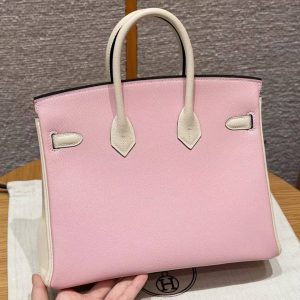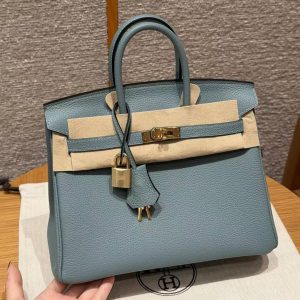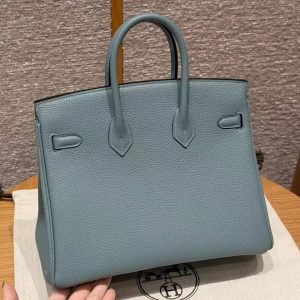
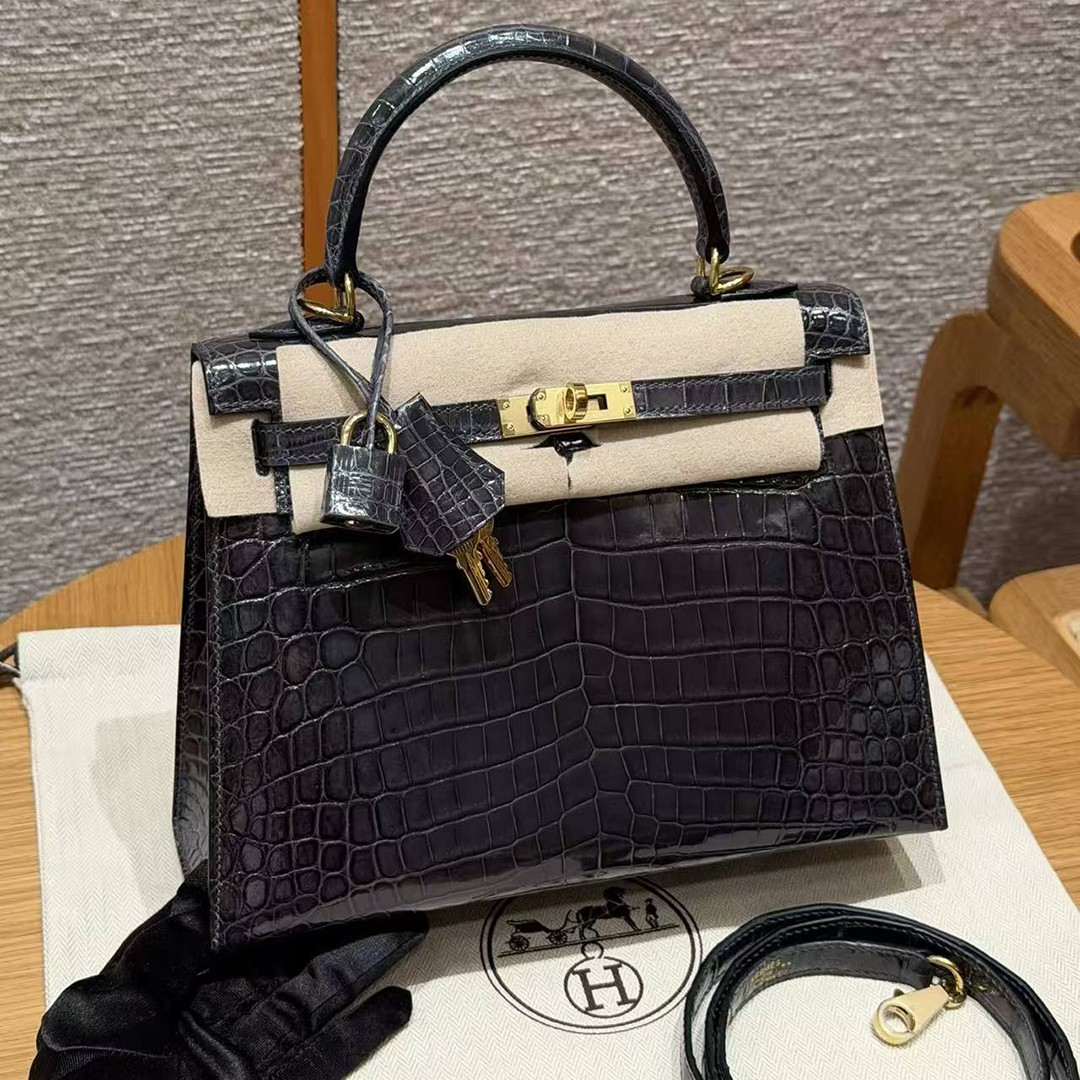
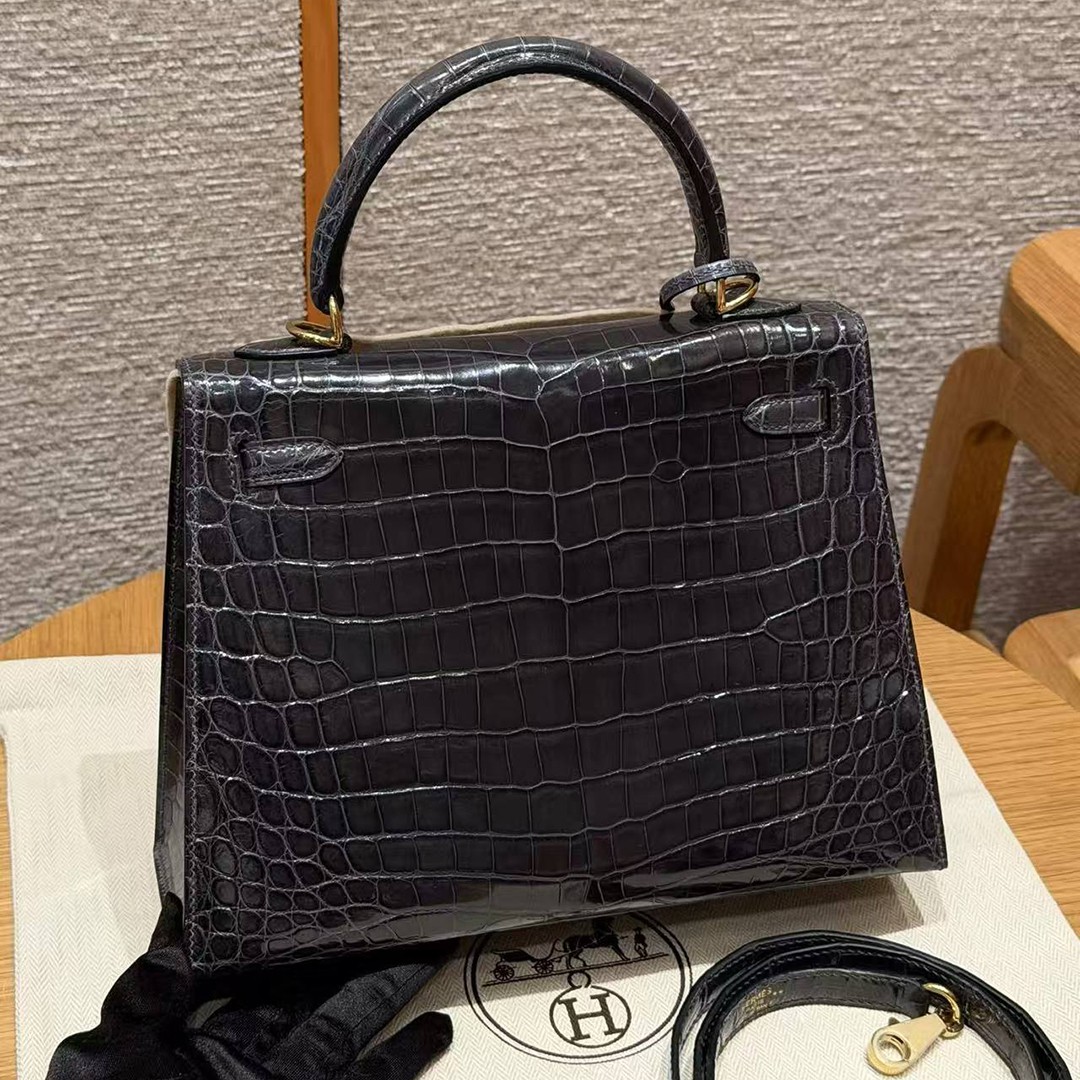
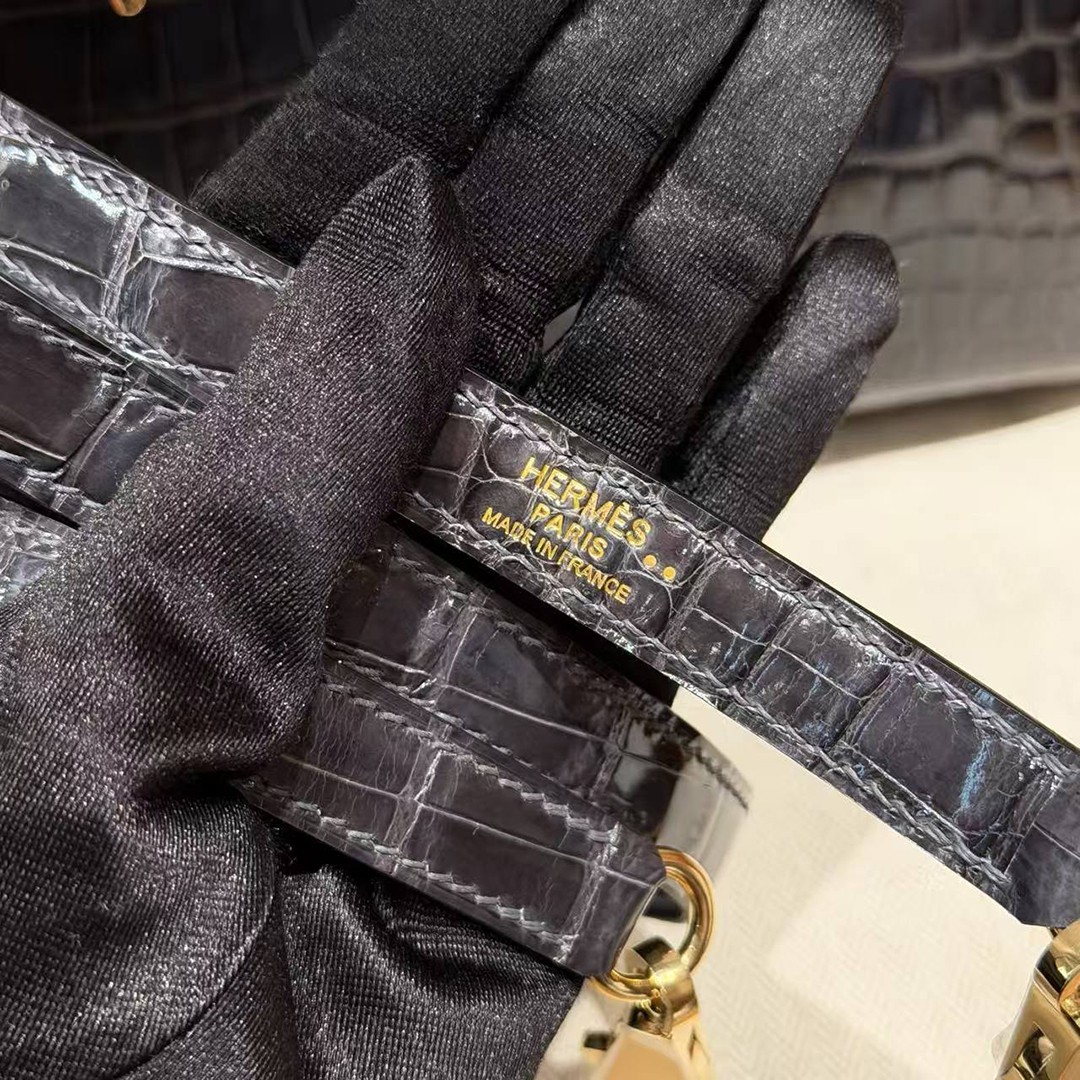
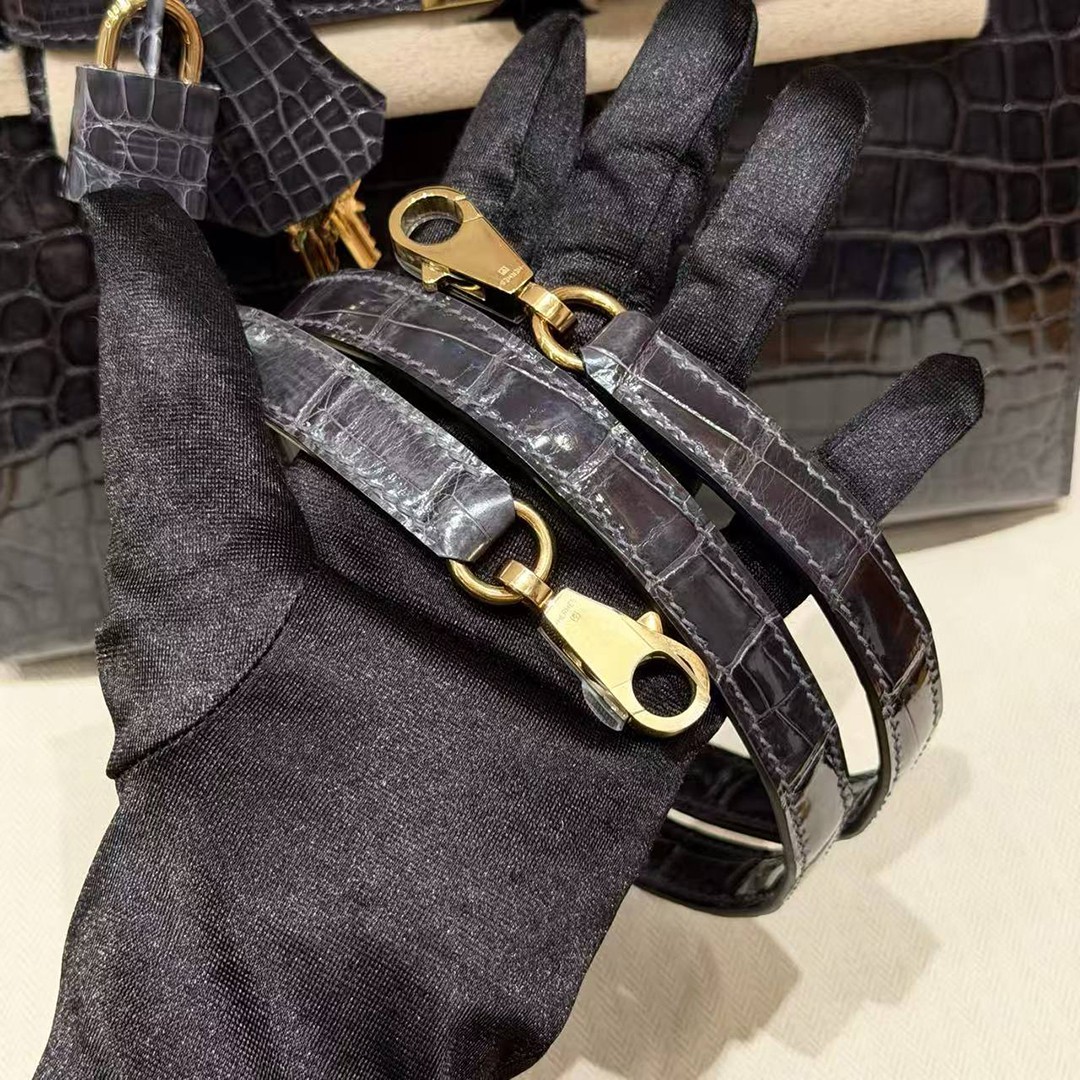
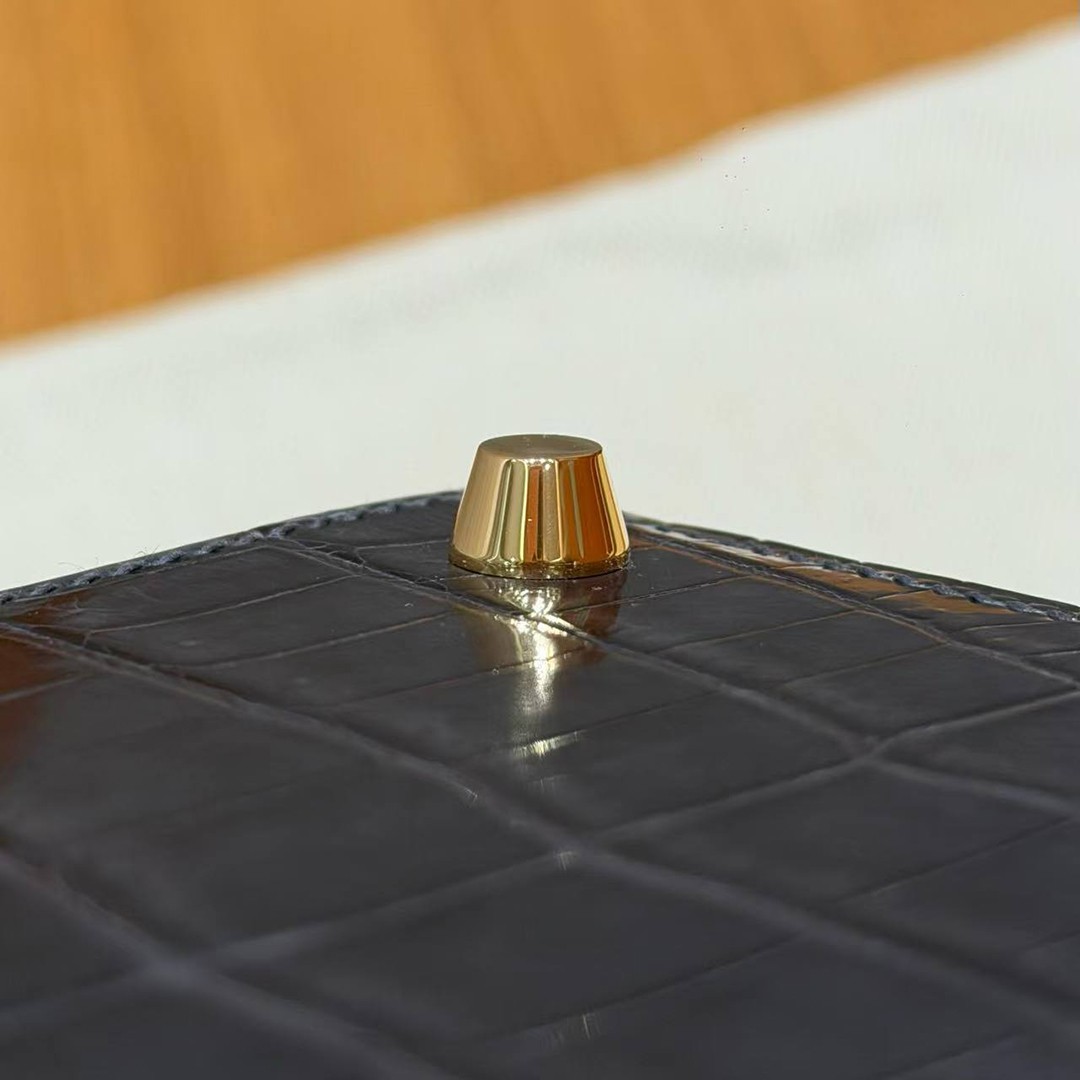
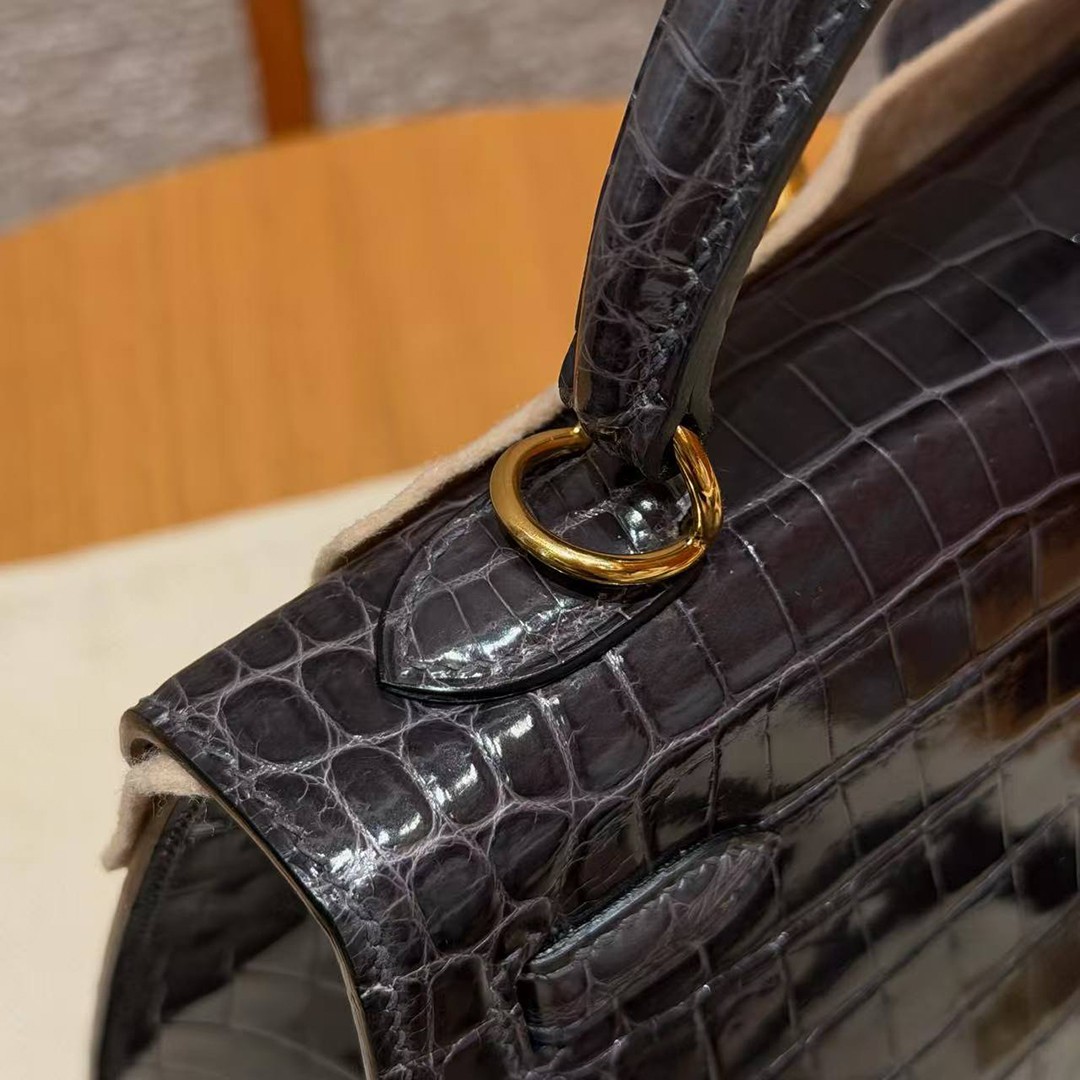
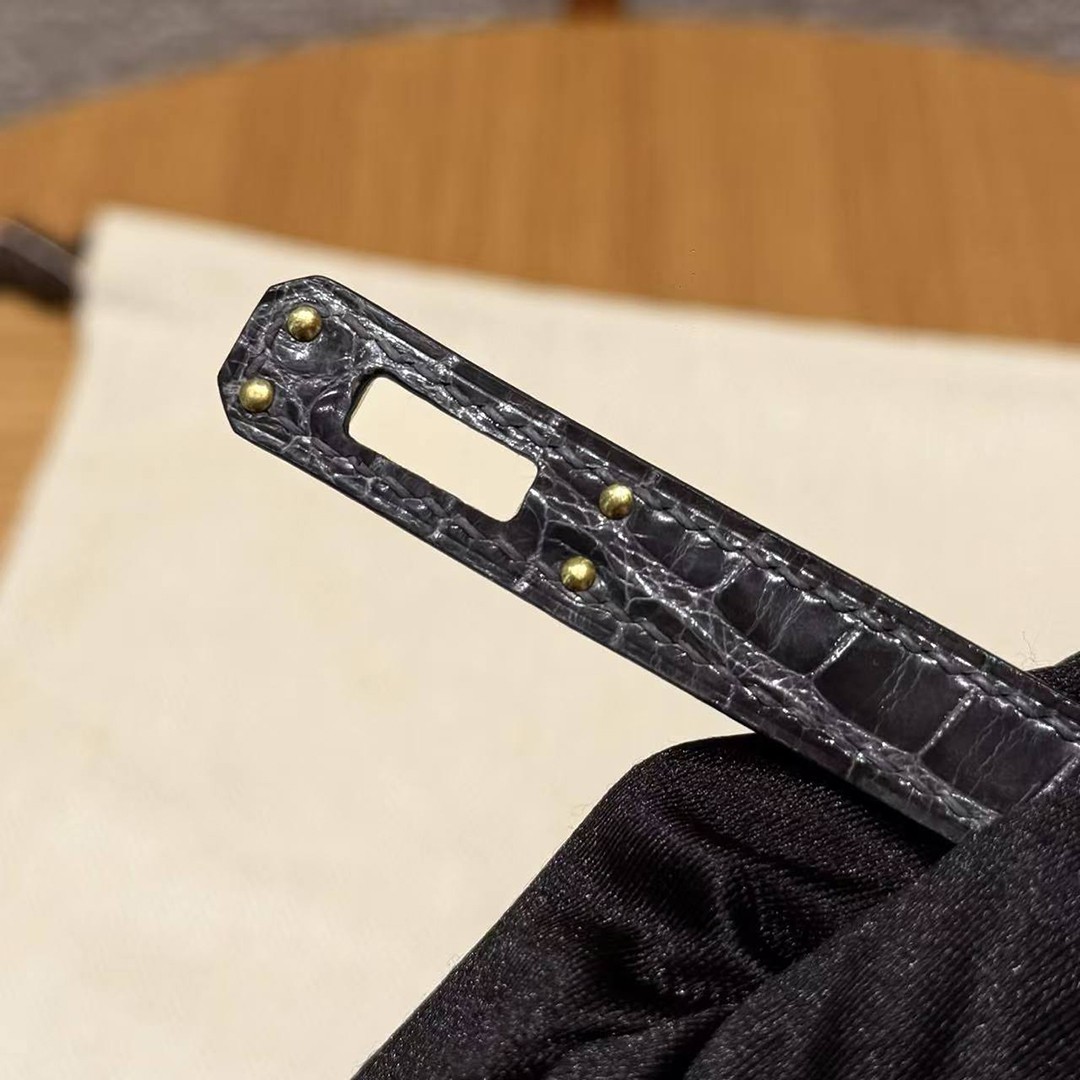
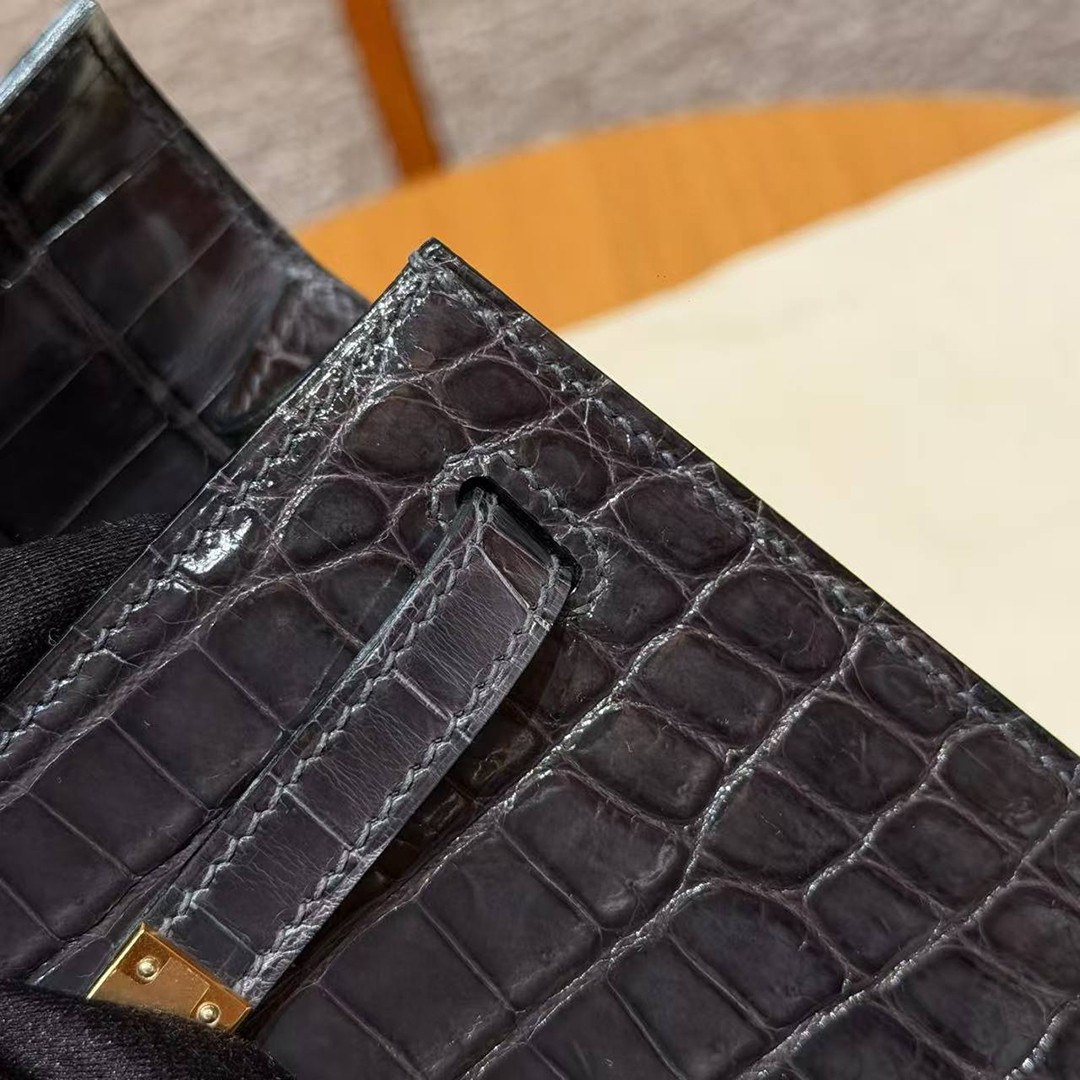
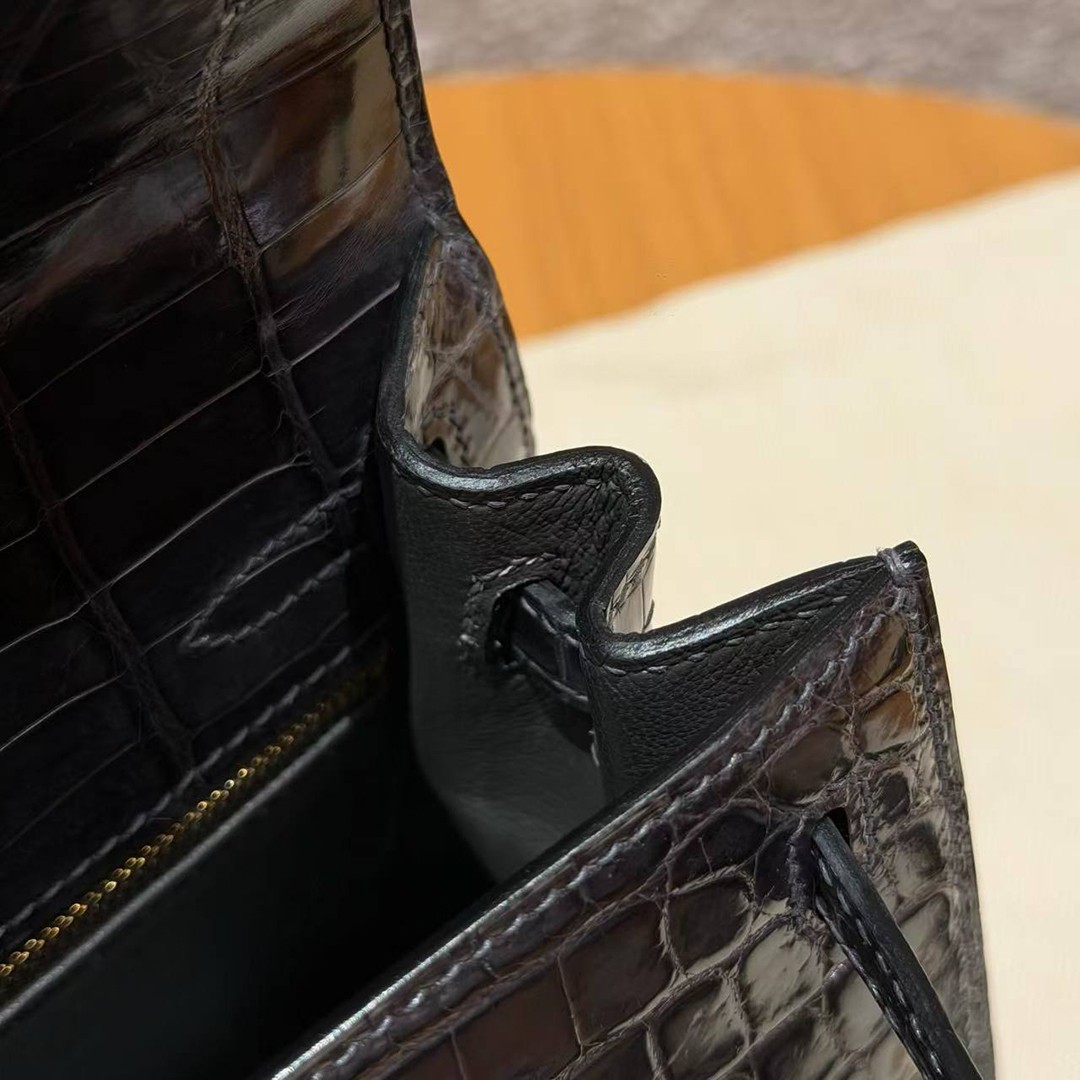
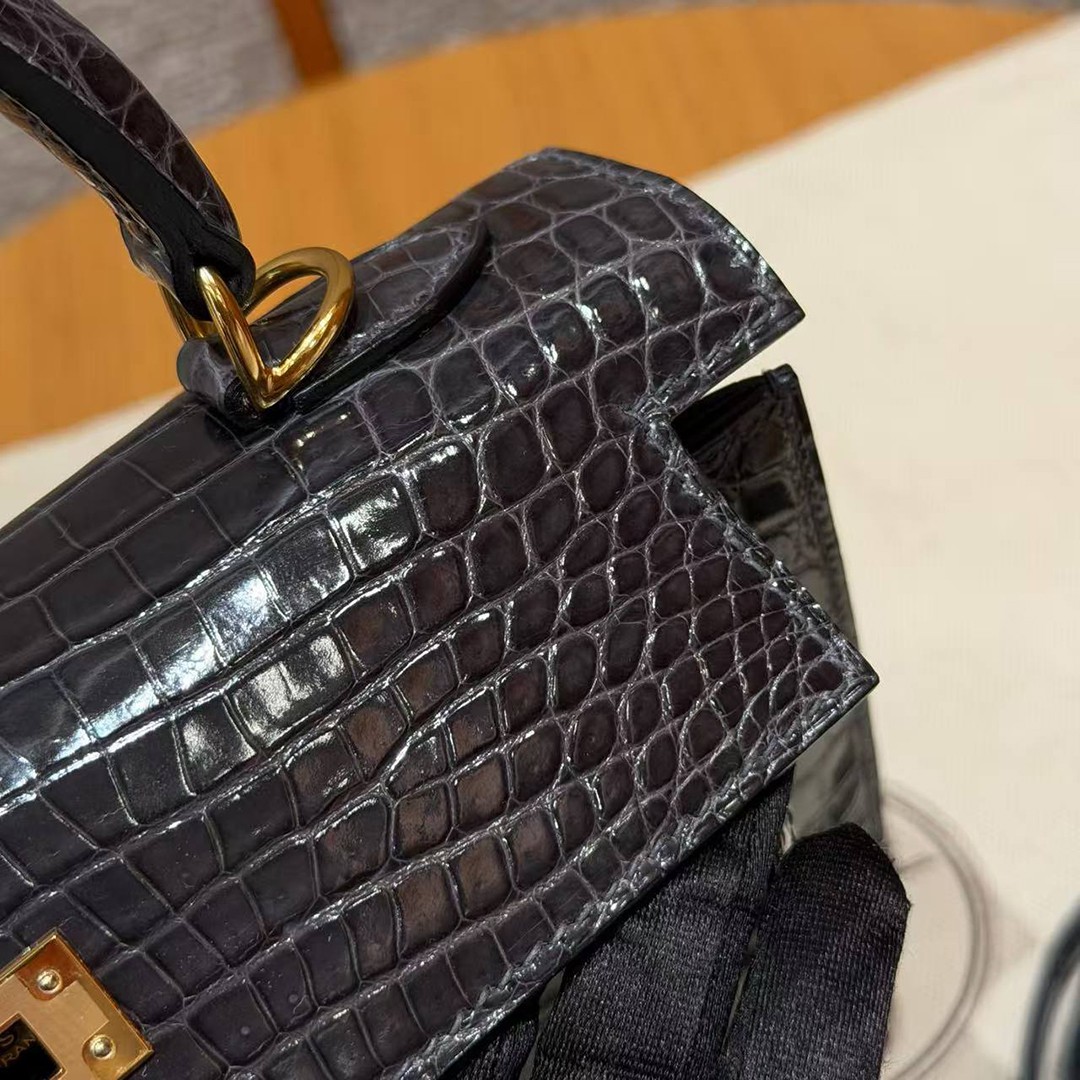
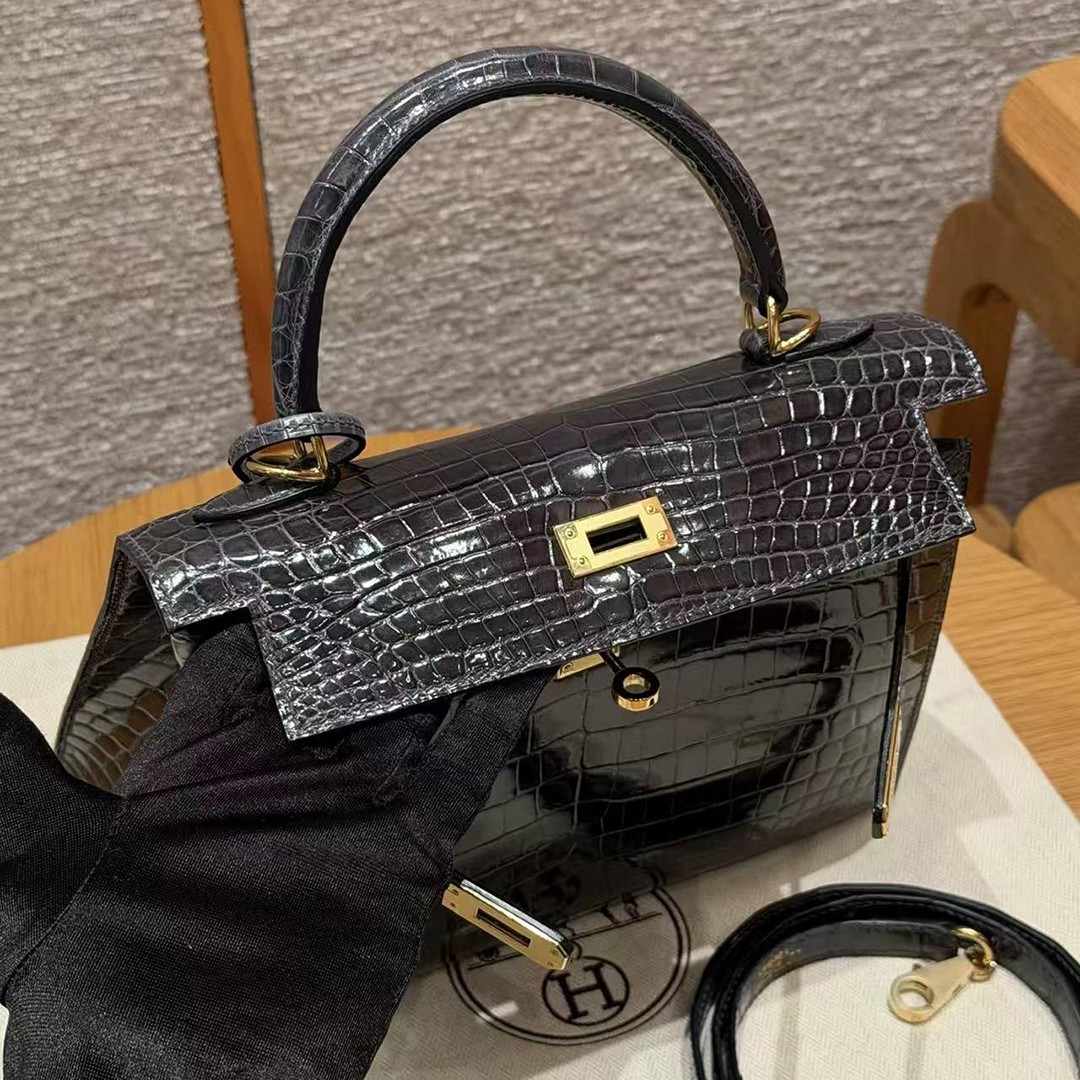
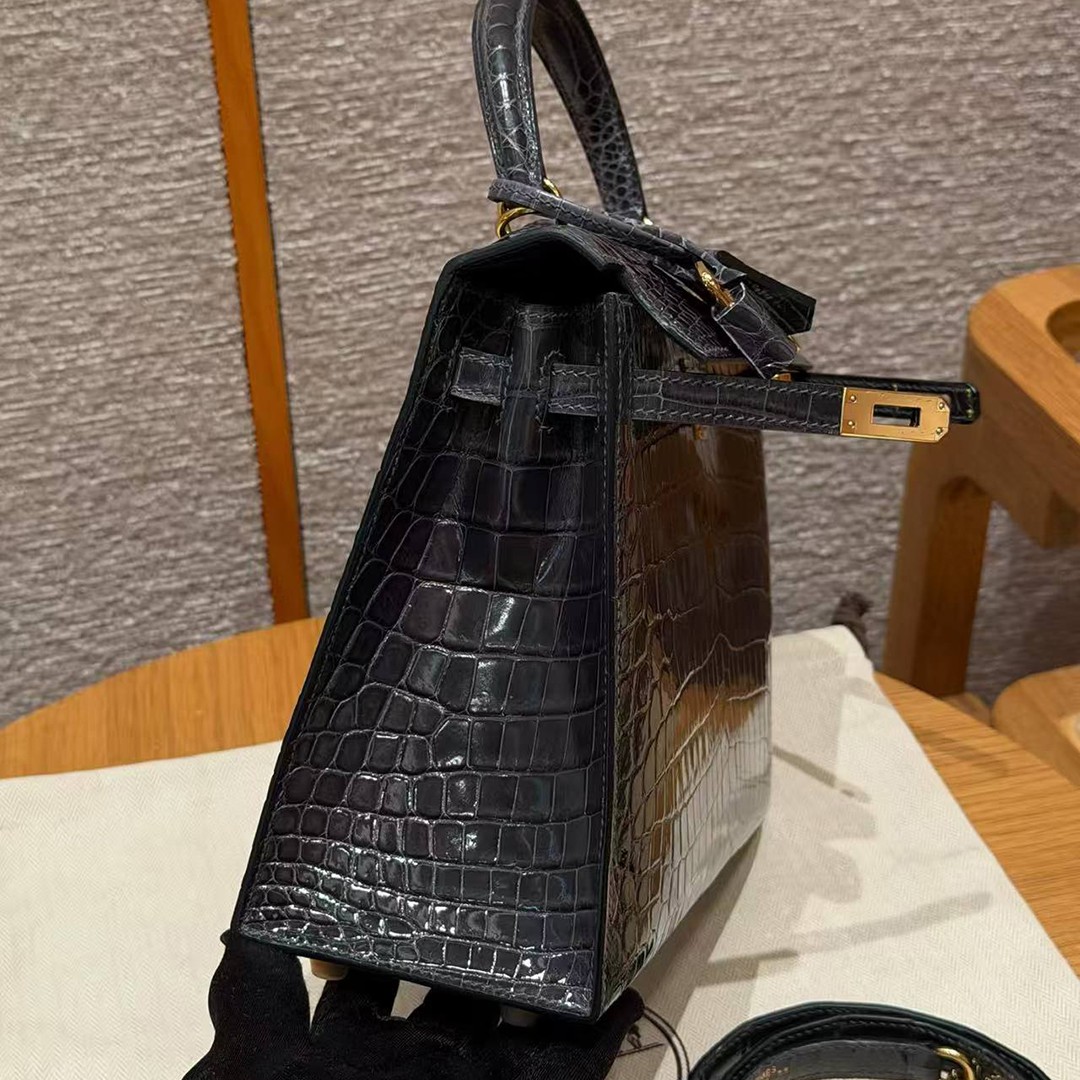
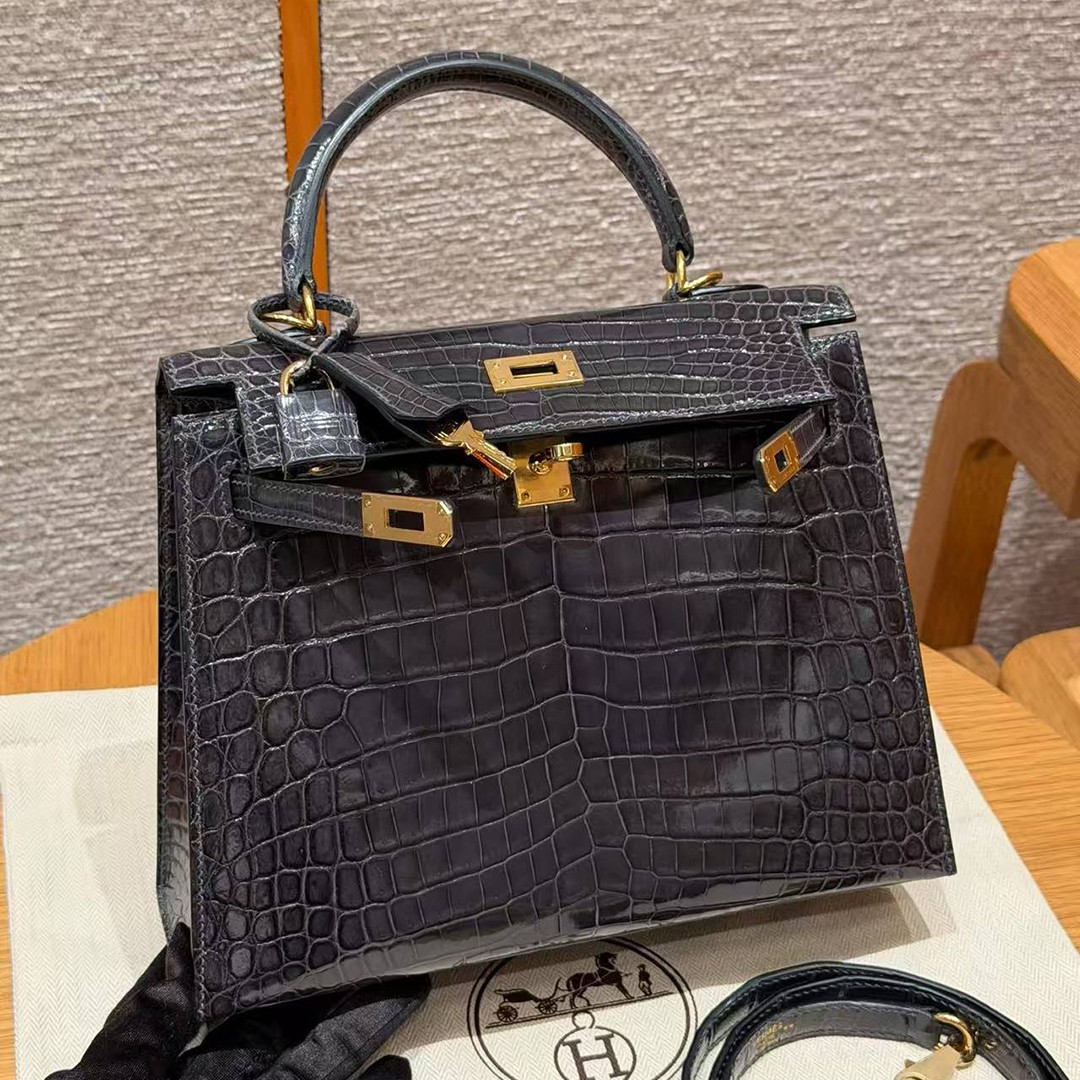
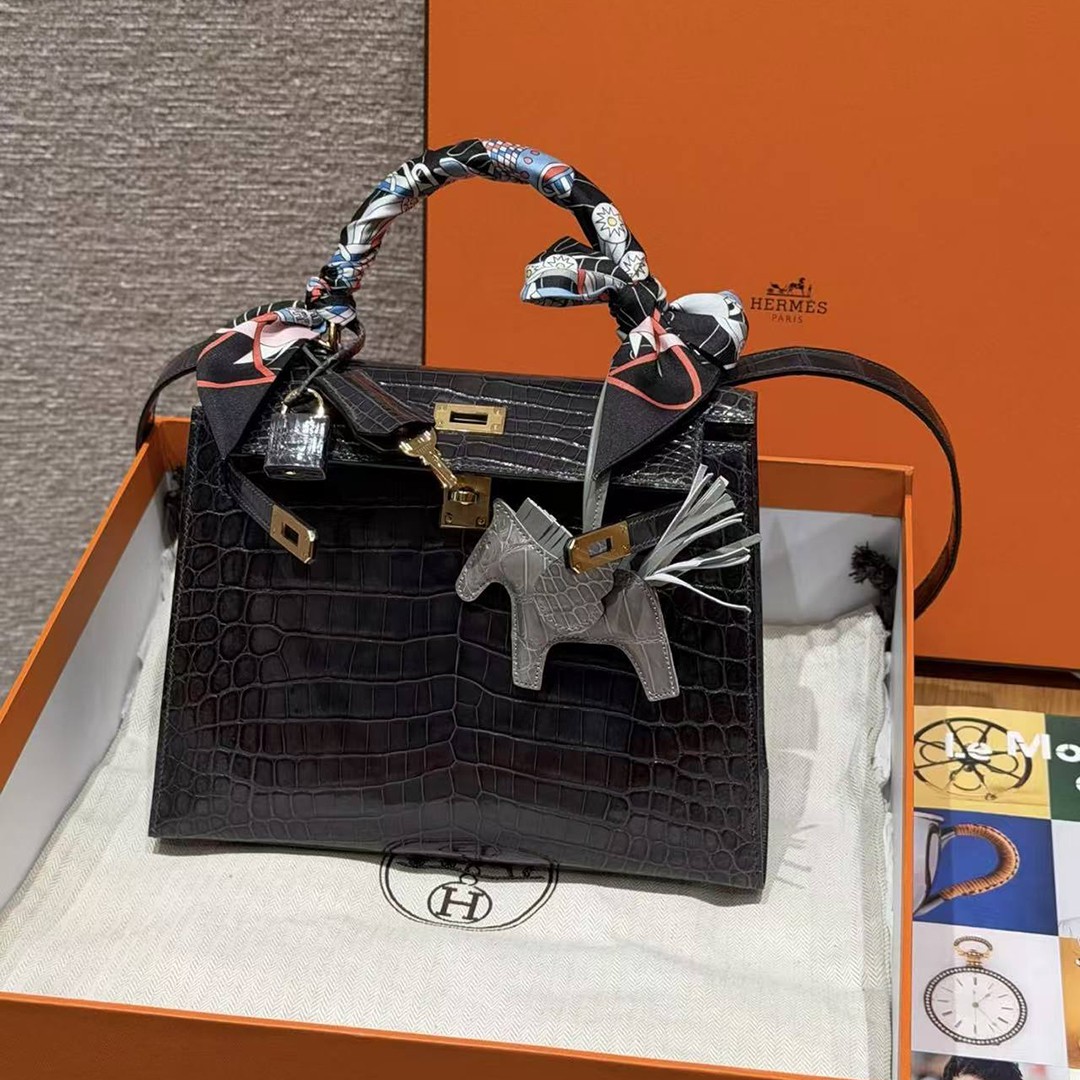
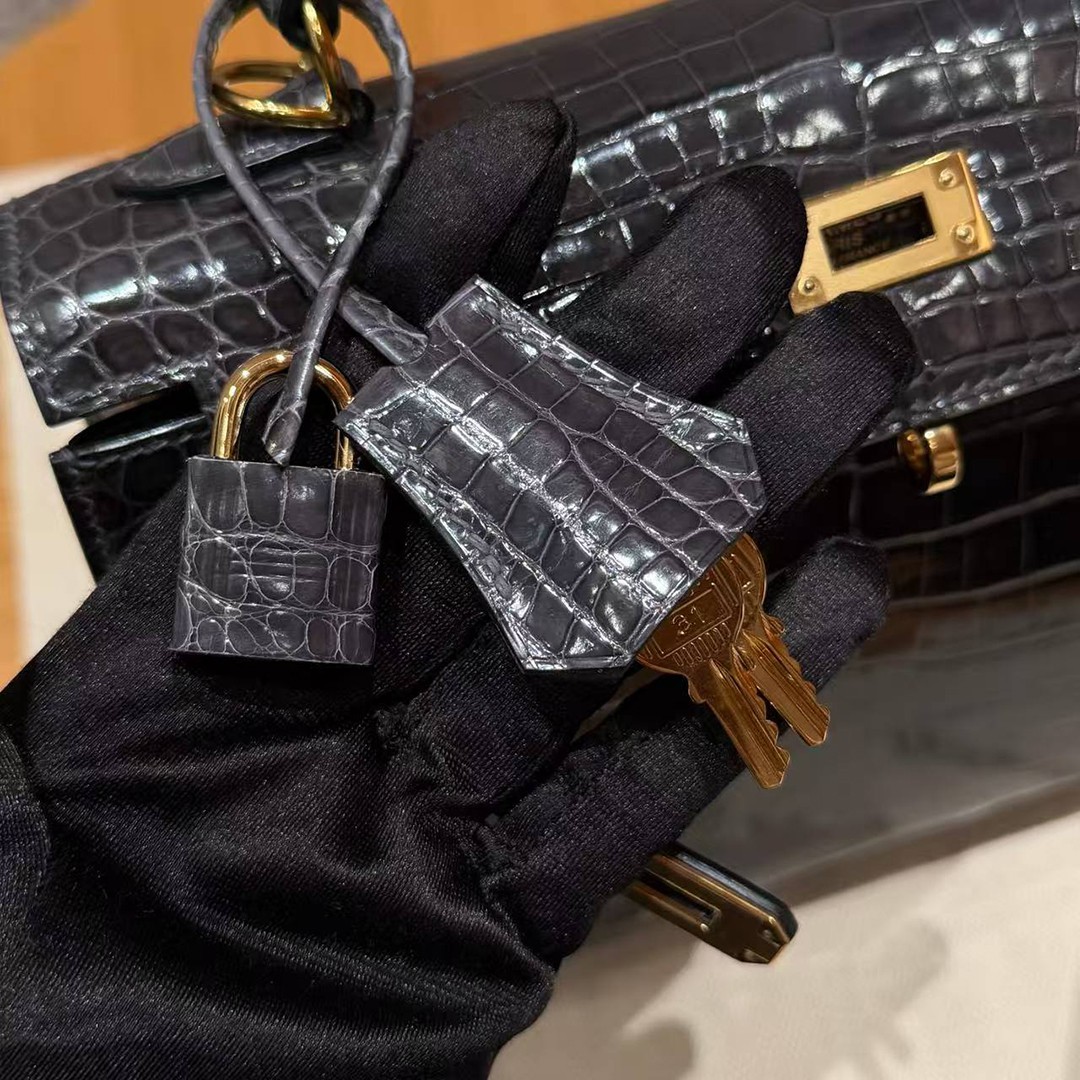
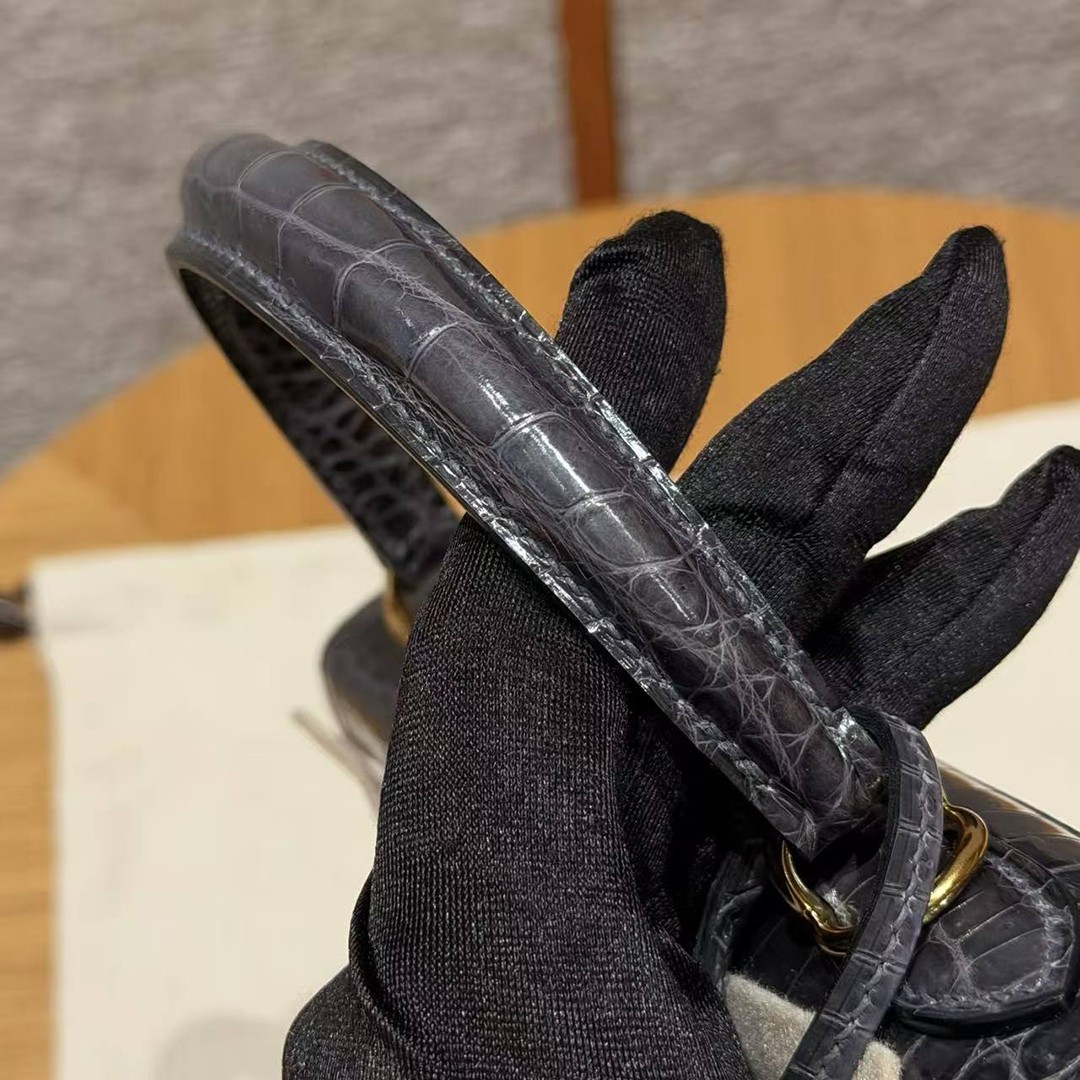
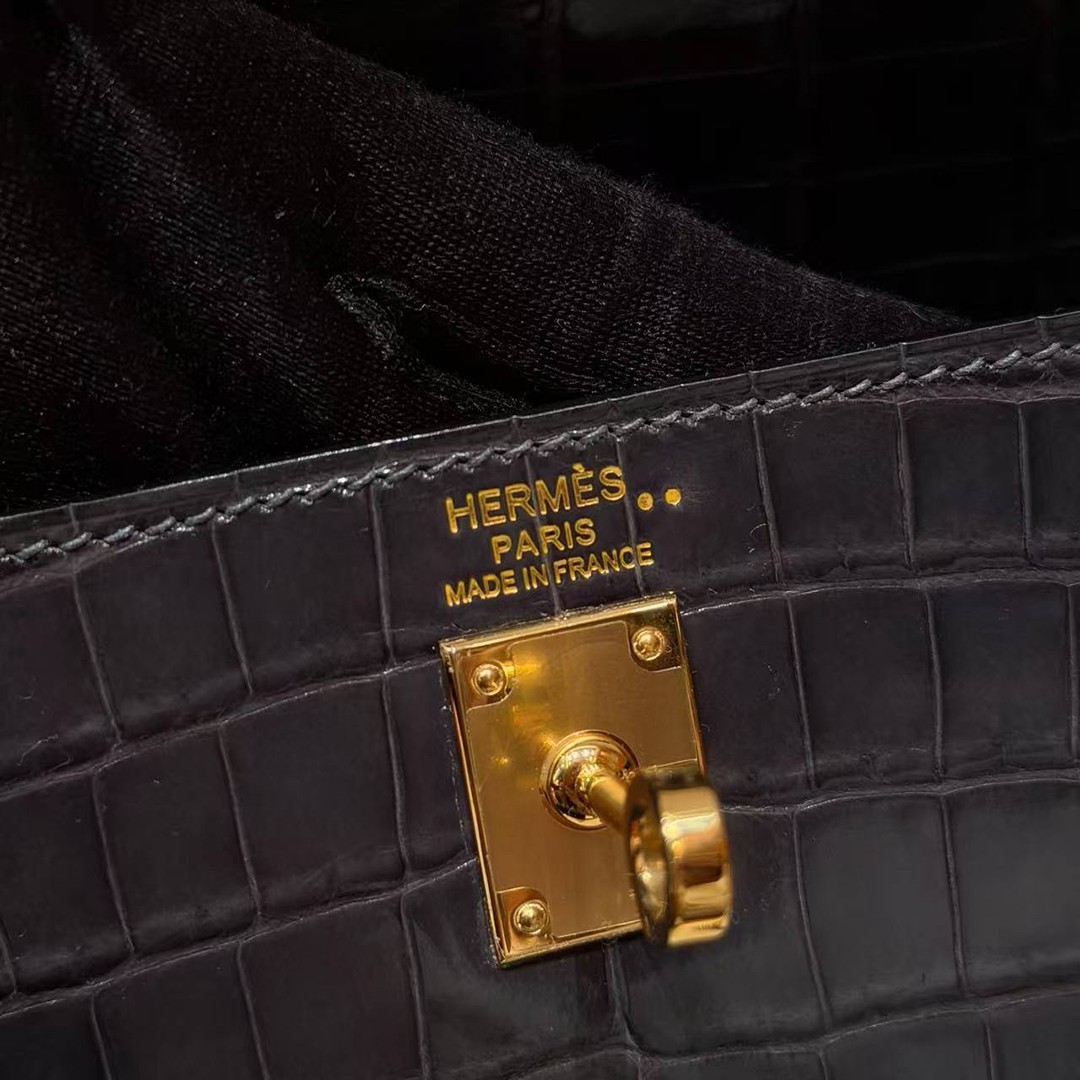
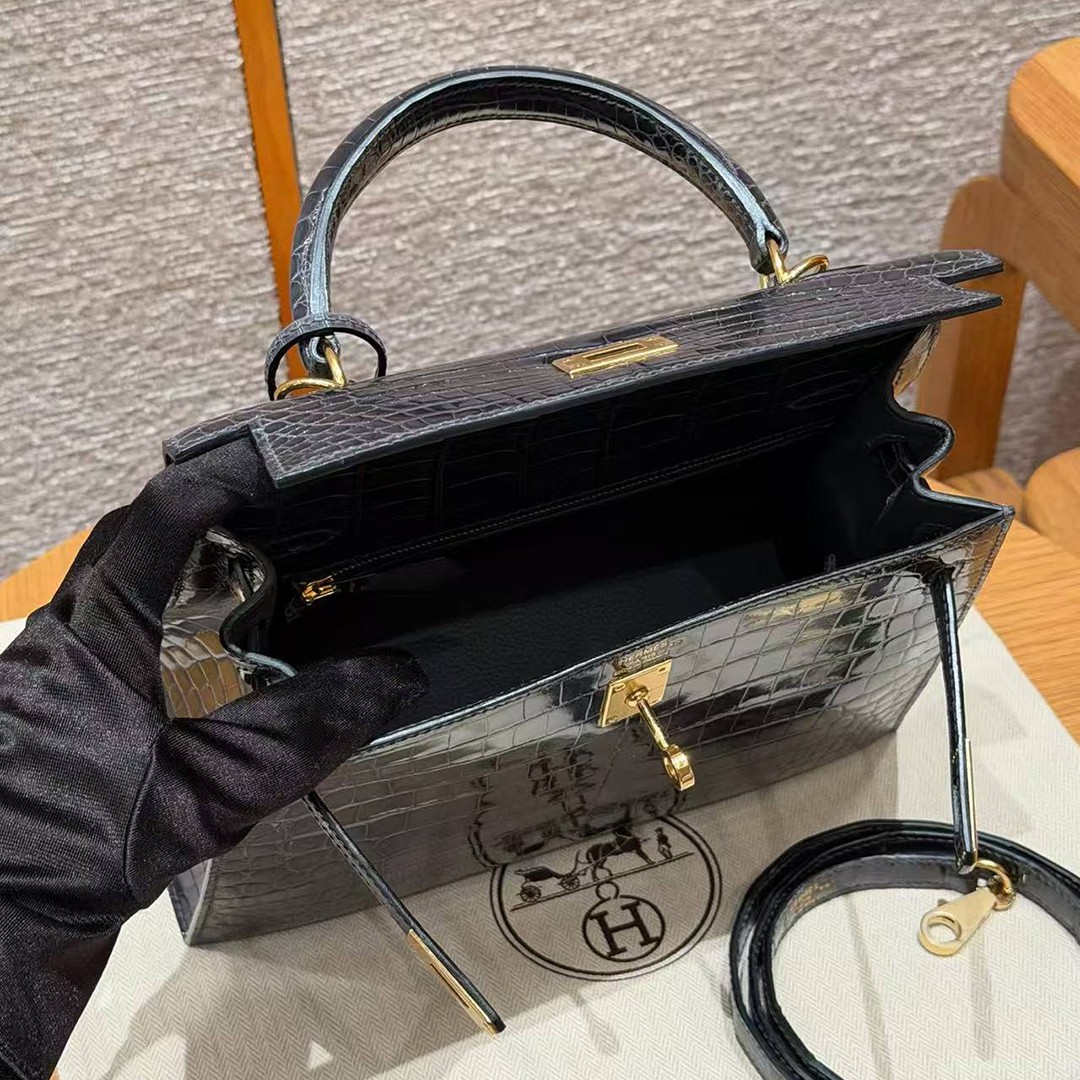
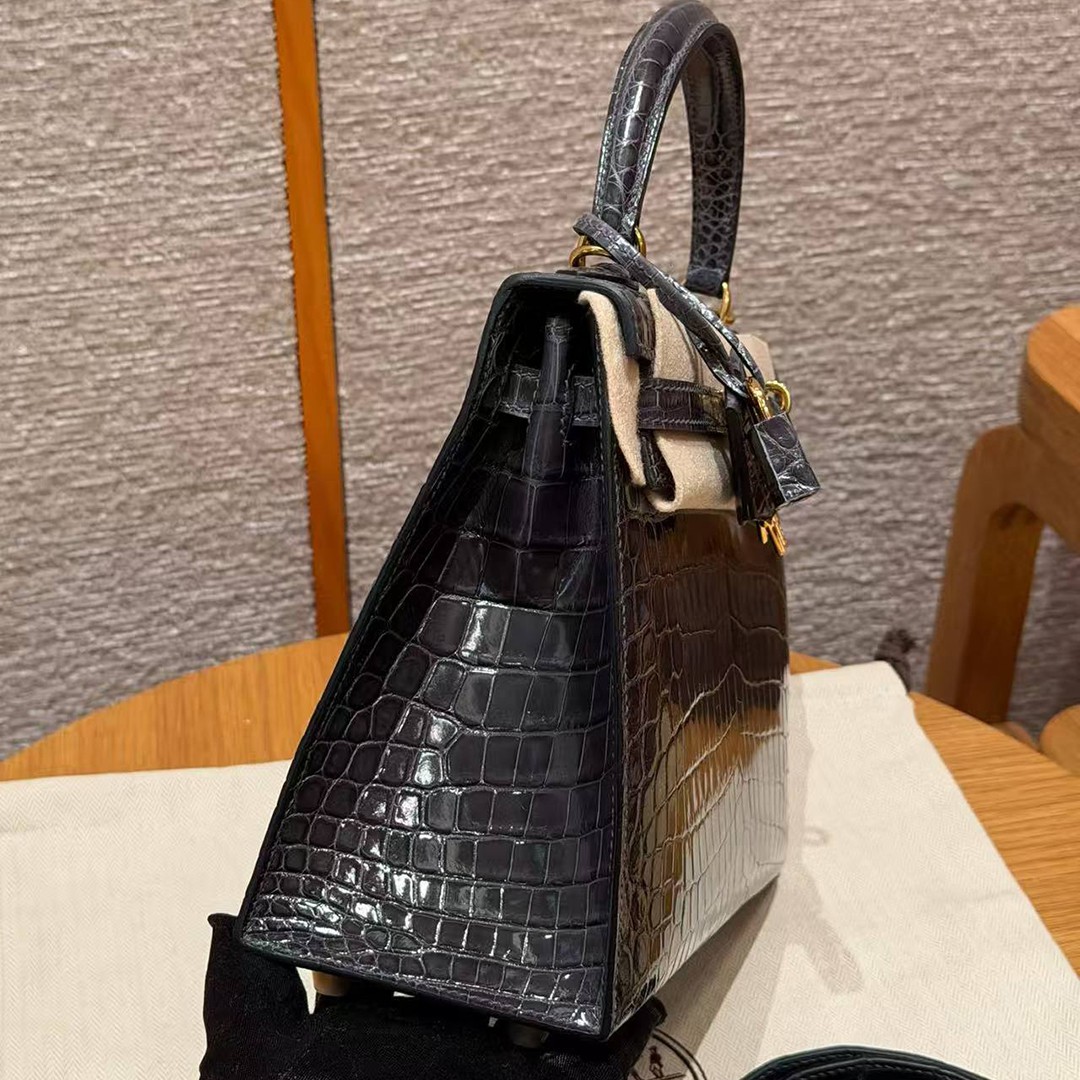
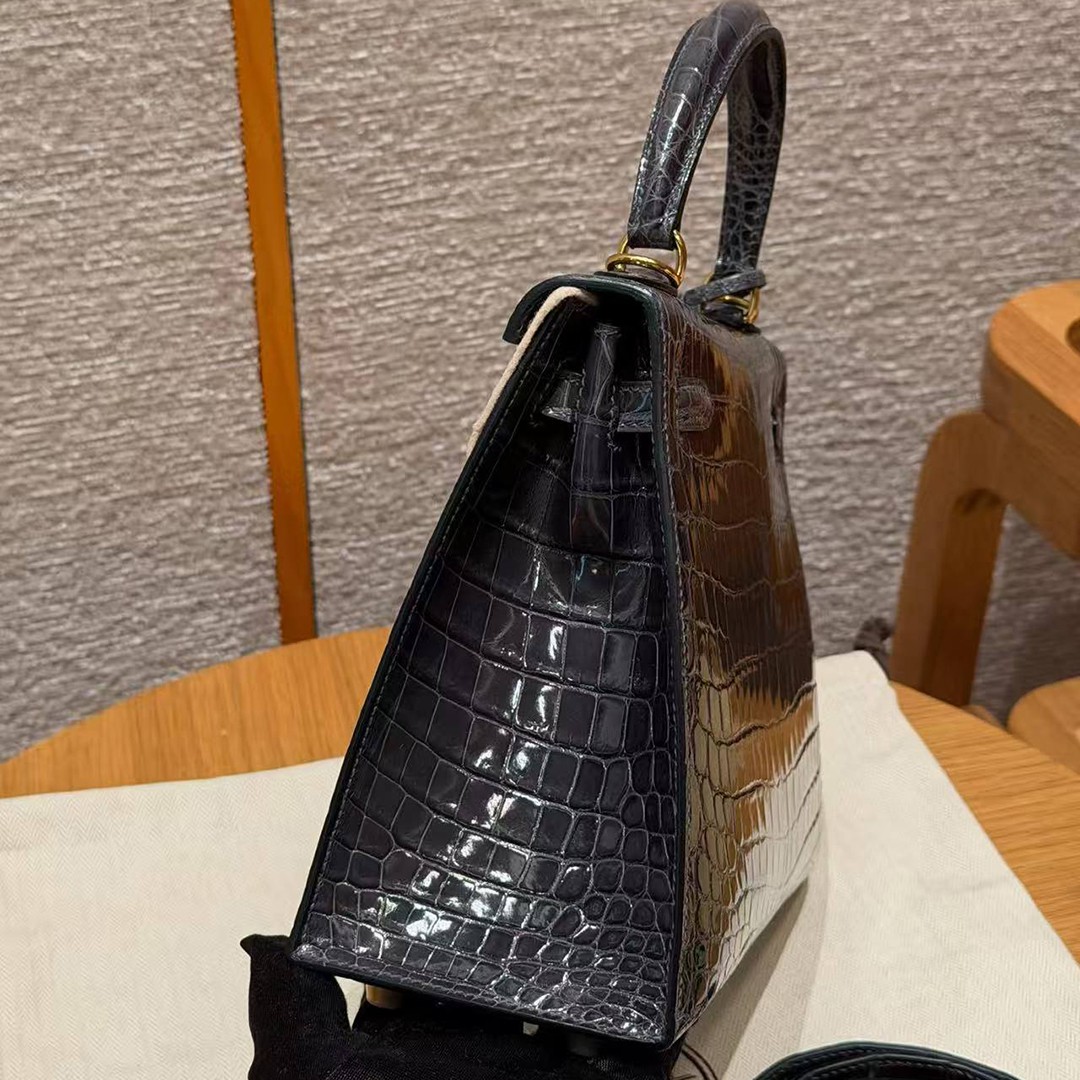
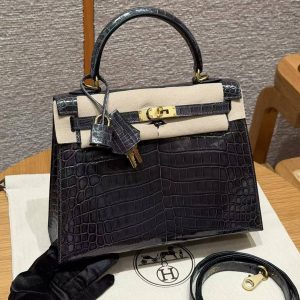
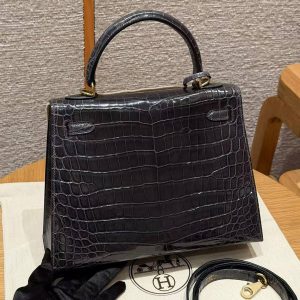
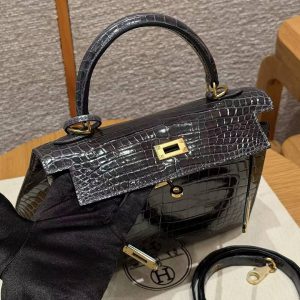
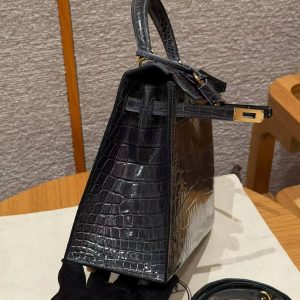
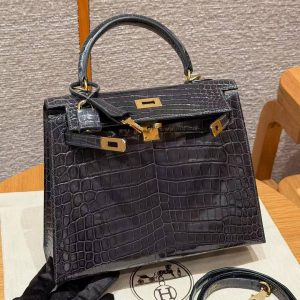
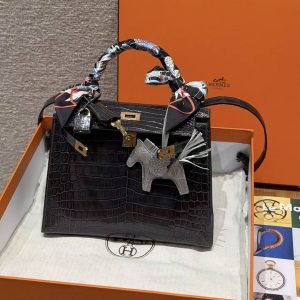
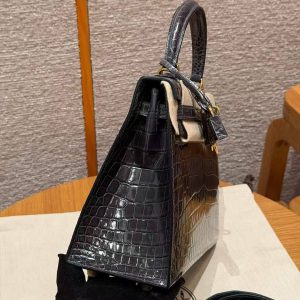
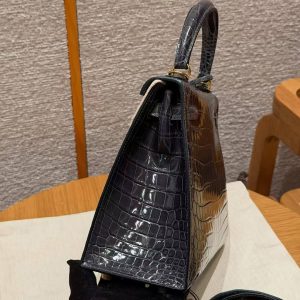
Hermes Kelly 25 Bag Handmade In Niloticus Leather from Nile Gold Hardware 88 Graphite
Original price was: $24,500.00.$2,499.00Current price is: $2,499.00.
Style: Hermes Kelly 25 Bag
Color: 88/ Graphite
Size: 25*17*7 CM
Leather: Niloticus Leather from Nile
Hardware: Gold
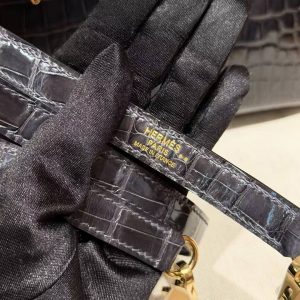
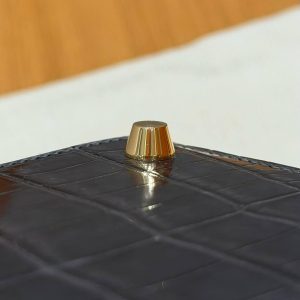
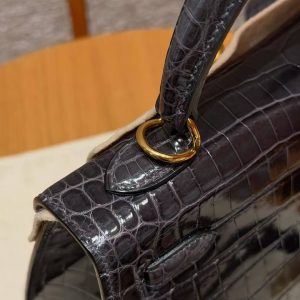
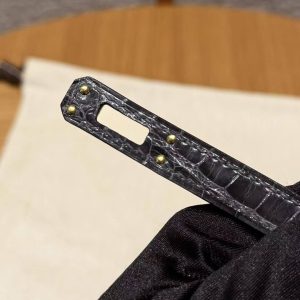
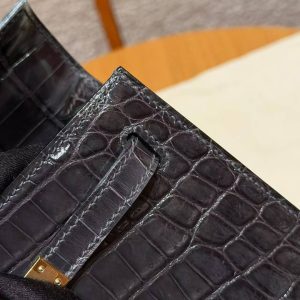
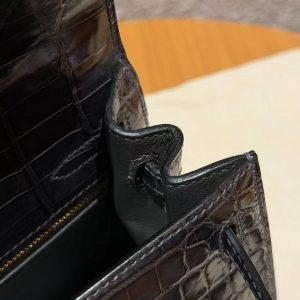
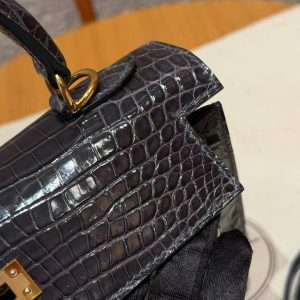
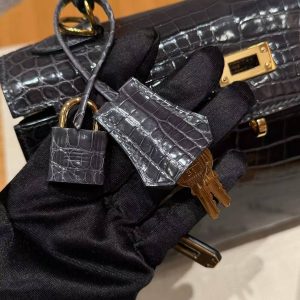
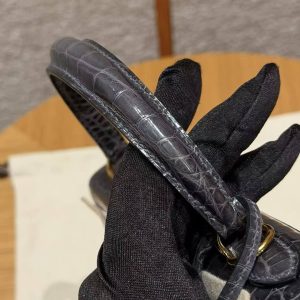
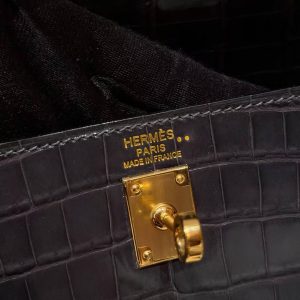
Nile crocodile scales are not uniform, and that is the entire point. Next to the orderly rows of a porosus skin, a niloticus panel looks almost wild: small round scales up the sides, wider plates down the belly, a grain you can read like a fingerprint. In Graphite, a smoky grey with a faint metallic sheen, this Kelly 25 wears its irregularity like a signature.
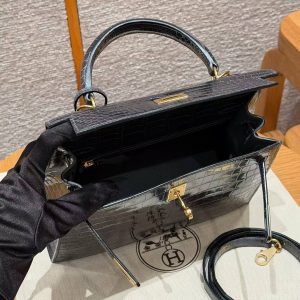
The temper of Nile crocodile is also softer than porosus, so the leather has more give and the bag feels slightly less armoured, a little more approachable in the hand. The flap still stands, the lock still snaps, but when I open it there is a touch of flex a stiffer skin would not offer.
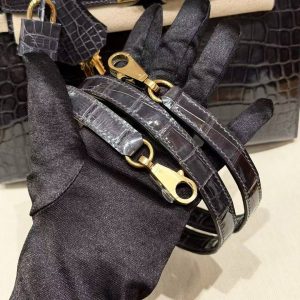
What fits: phone, card holder, keys, lipstick, a mirror, and a hotel key on most evenings out. Gold hardware lifts the dark grey without making it warm, and the top handle stands tall enough to slip over a wrist while I juggle a coat.
Two honest notes. First, if perfect symmetry in a crocodile skin matters to you, choose porosus instead, because niloticus is characterful rather than uniform. Second, whatever the skin, keep crocodile out of the rain and away from dry heat; a moment in a drizzle will not hurt it, but a habit of wet carry will dull the scales. Stored sensibly, mine has stayed glossy at the ridges and matte in the valleys, which is how the grain is meant to look.
Related products